20 global businesses that started out TINY
Humble beginnings
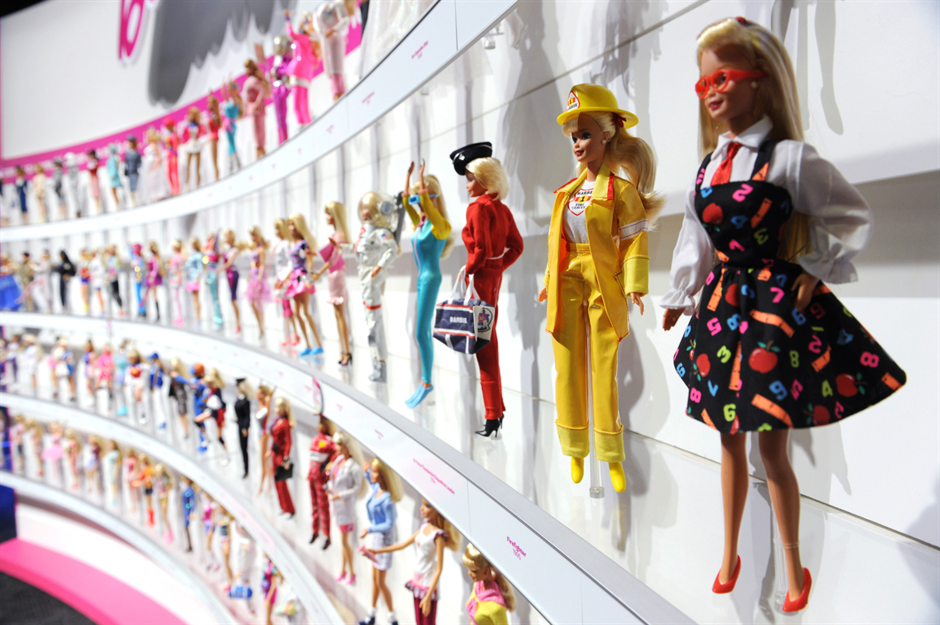
Do you know what the likes of Harley-Davidson, Apple, and Ben & Jerry’s have in common? They all started in places like garages, dorm rooms, and cramped kitchens, armed with more grit than cash.
From pizza joints to tech empires, these brands didn’t just grow; they exploded onto the global stage. Read on to discover the surprising origin stories of 20 world-changing companies that began in the most humble of spaces. All dollar amounts in US dollars.
Harley-Davidson: 1903
In 1903, two childhood buddies, William Harley and Arthur Davidson, had the idea to start building motorcycles in a tiny wooden shed in Milwaukee. Fast-forward to 1907, and they were already mass-producing their bikes.
After surviving two World Wars and the Great Depression, the company went public in 1986 and raised $33 million, the equivalent of over $97 million (£72m) in 2025. As of 2024, it ships around 150,000 bikes a year across 1,224 dealers globally and boasts a market cap of $4.8 billion (£3.6bn). The cult of Harley rides on strong!
Disney: 1923
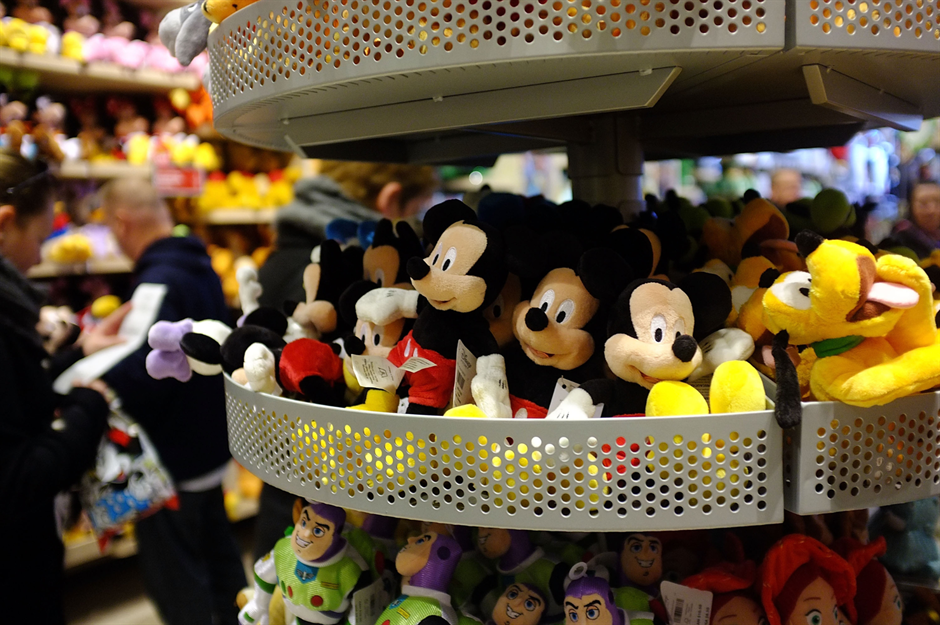
In 1923, Walt and Roy Disney set up their first animation studio in a humble Los Angeles garage. When Mickey Mouse came along, everything changed. They went public in 1957 and expanded big time in the 1980s.
After a series of acquisitions including Pixar, Marvel, and Star Wars, Disney was pulling in $91 billion (£66bn) in revenue by 2024, with $32.6 billion (£24bn) generated from its theme parks alone. Talk about happily ever after.
Sponsored Content
HP: 1939
In 1939, Bill Hewlett and Dave Packard started HP in a rented garage in Palo Alto, California with $538 ($12.5k/£9.3k today) in startup capital. Their first product? An audio oscillator, sold to Walt Disney to help create Fantasia. That humble garage is now known as the “Birthplace of Silicon Valley”.
HP went public in 1957, and by the 1980s, it was a tech heavyweight. In the early 2000s, after merging with Compaq, HP’s revenue surged. Today, HP operates in over 170 countries, pulling in nearly $54 billion (£40bn) annually from PCs, printers, and services.
Mattel: 1945
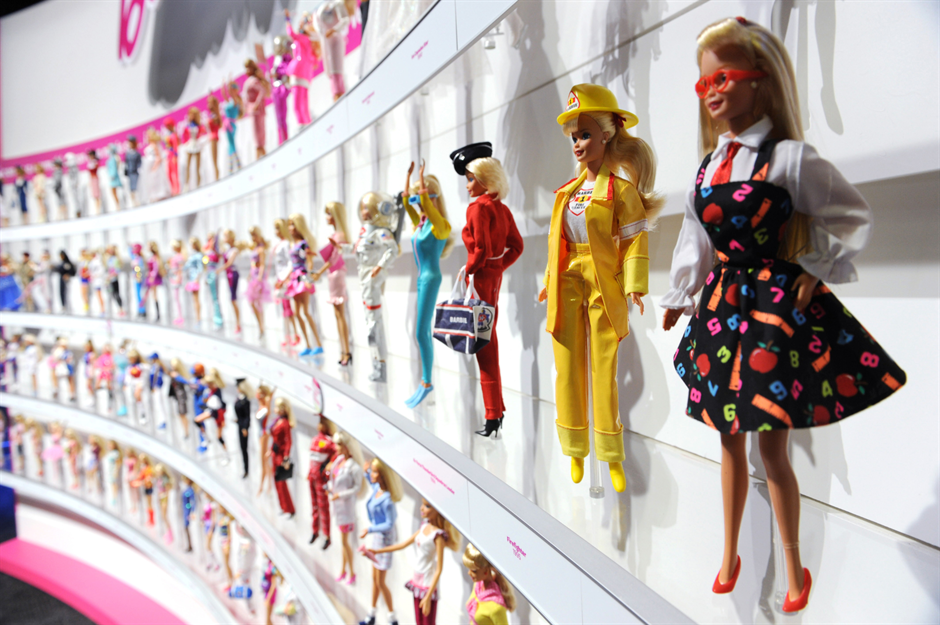
Mattel got its start in 1945 – not in a shiny toy factory, but in a Southern California garage. Harold “Matt” Matson and Elliot Handler (yep, Matt-El) began by crafting picture frames. But it was the leftover wood scraps that sparked the real magic when Handler’s wife, Ruth, turned them into dollhouse furniture. That twist of creativity led the company to pivot fully into toys.
In 1959, Ruth introduced the world to Barbie, who became an instant icon. The company went public in 1960 and quickly scaled up. Today, Mattel operates in more than 35 countries and sells in over 150. Annual revenue hovers around $5.4 billion (£3.7bn), with brands like Hot Wheels, Fisher-Price, and UNO driving the fun.
Dominos: 1960
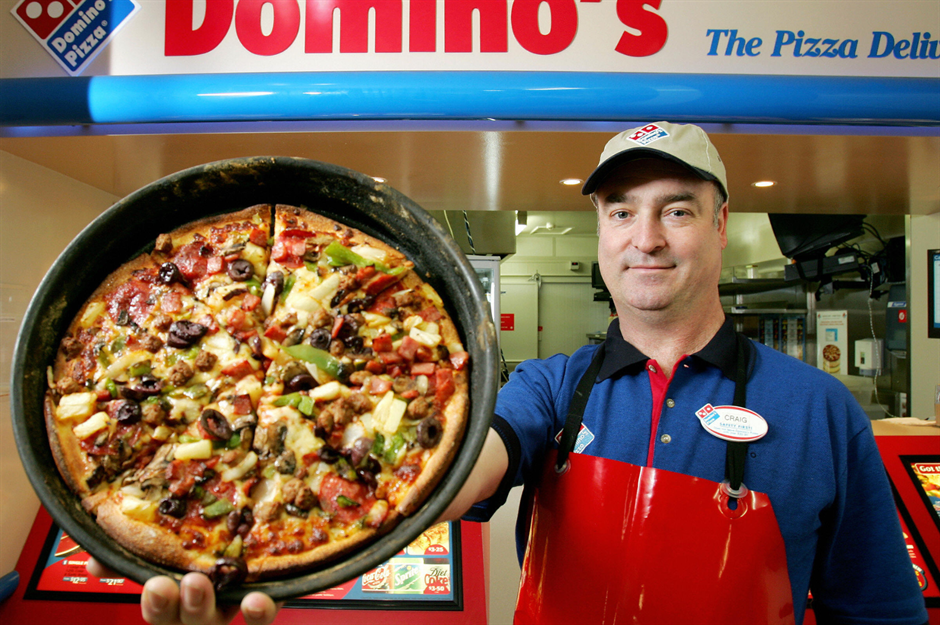
What started in a tiny pizza shop in Michigan in 1960 has grown into a global delivery leader. By late 2023, Domino’s had 21,366 stores worldwide, with more than 14,000 international outlets. In the 2024 fiscal year, it hauled in $4.71 billion (£3.5bn) in revenue, earning $584 million (£430m) in net income and $879 million (£647m) in operating profit. With plans for 1,100 more US stores and 2,000 in the UK and Ireland by 2033, Domino’s continues to slice up serious growth.
Sponsored Content
Nike: 1964
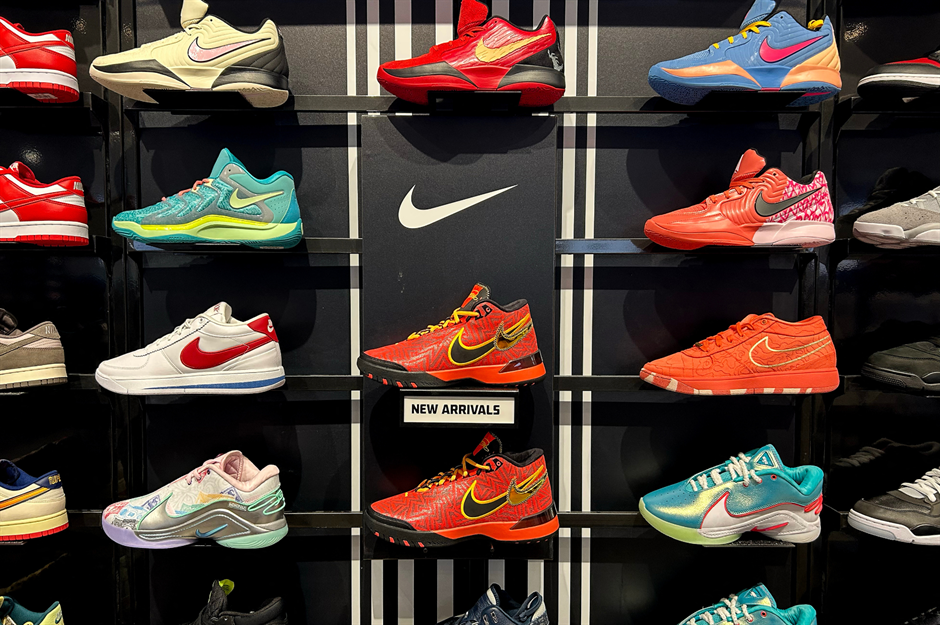
Back in 1964, Phil Knight was selling sneakers from the trunk of his Plymouth Valiant, while his partner Bill Bowerman was tinkering with shoe designs using a waffle iron in his kitchen. The company was originally called Blue Ribbon Sports and operated out of Knight’s house. In 1971, they rebranded as Nike, named after the Greek goddess of victory, and the swoosh was born. (Incidentally, Knight and Bowerman paid just $35, the equivalent of $280/£207 today, for their iconic logo).
By 1980, Nike went public, kicking off an epic growth streak. Fast-forward to 2023, and the brand pulled in $51 billion (£37bn) in revenue. With celebrity endorsements, global sports partnerships, and a cultural presence that spans streetwear to stadiums, Nike now operates in over 190 countries and boasts a market cap of $115 billion (£86bn).
Subway: 1965
In 1965, 17-year-old Fred DeLuca opened a sandwich shop with a $1,000 loan, the equivalent of around $10,000 (£7.4k) today, hoping the business would fund his college tuition.
With help from Dr. Peter Buck, the brand expanded rapidly through franchising. By 2010, Subway had more stores than McDonald's. Now with more than 37,000 locations in over 100 countries, it rakes in more than $10 billion (£7.3bn) every year.
Yankee Candle: 1969
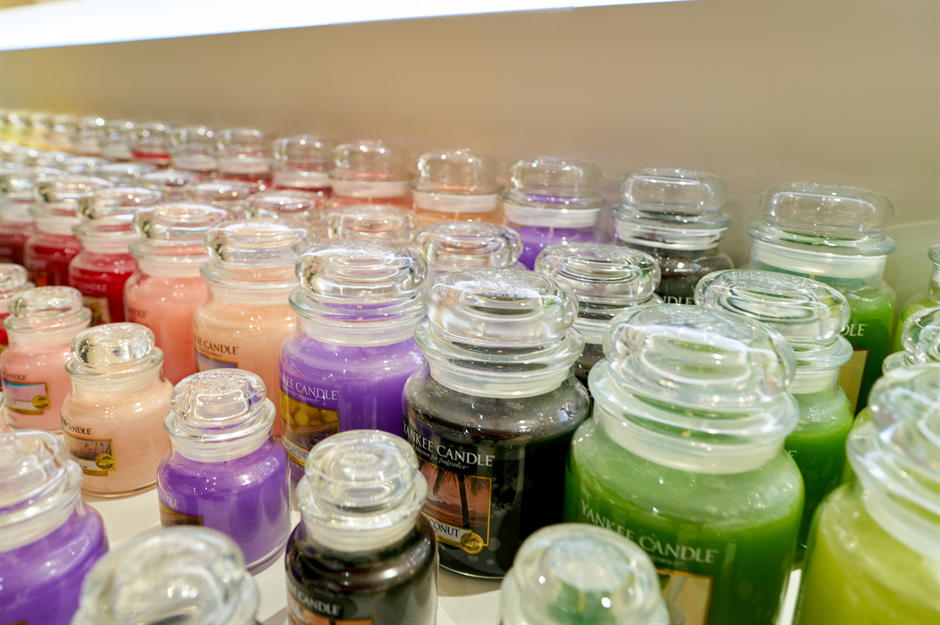
Yankee Candle kicked off in 1969 when teenager Michael Kittredge made a candle in his garage as a Christmas gift. Neighbours wanted in, and the business was born. It went public in 1993, sold for $1.75 billion in 2013 (around $2.4bn/£1.8bn in 2025), and today pulls in almost $900m (£663m) annually. The company's scents are sold worldwide in over 50,000 retail locations.
Sponsored Content
Microsoft: 1975
In 1975, college dropouts Bill Gates and Paul Allen launched Microsoft from a tiny garage in Albuquerque, New Mexico. Their big break came when they licensed an operating system (MS-DOS) to IBM, setting the stage for PC domination. By the time they went public in 1986, they had $61 million, the equivalent of around $180 million (£133m) in 2025.
Today, Microsoft rakes in around $240 billion (£177bn) a year, with cloud platform Azure, LinkedIn, and Office 365 leading the charge. The company’s market value has soared past $3 trillion (£2.2tn) and it operates in over 190 countries.
Apple: 1976
Apple’s story is the stuff of Silicon Valley legend. In 1976, Steve Jobs and Steve Wozniak set up shop in Jobs’ parents' garage in Los Altos, California. With a vision to make computers personal and user-friendly, they built the first Apple I by hand. It famously sold for $666.66, almost $3,800 (£2.8k) in today's money. In 1980, Apple went public and raised over $100 million ($390m/£289m today), making it one of the biggest IPOs of its time.
Then came the Macintosh in 1984, the iMac in 1998, and the iPhone in 2007. The latter turned Apple from a cool tech company into a global lifestyle icon. By 2023, Apple was raking in $383 billion (£282bn) annually, with a net income of $97 billion (£71bn). It's in nearly every country on Earth and boasts over 1.5 billion active devices. Oh, and it was the first US company to hit a $3 trillion (£2.2tn) market cap.
The Body Shop: 1976
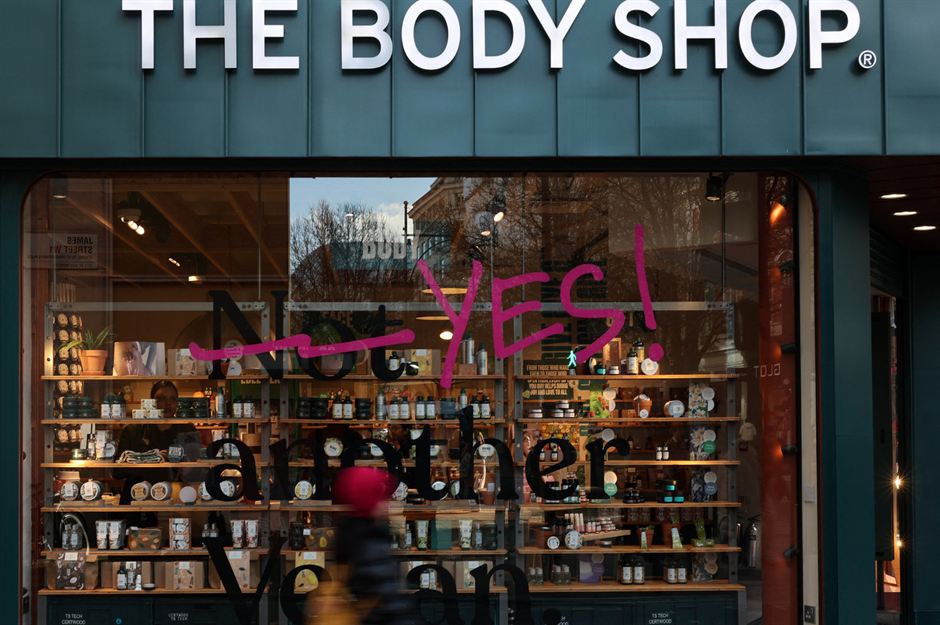
The Body Shop began in 1976 when Anita Roddick opened a tiny store in Brighton, England, using just £4,000. That's around $36,400 (£27k) in 2025 money. With a mission to sell cruelty-free, ethically-sourced beauty products, Roddick mixed natural ingredients in her kitchen and filled reusable bottles to save money. The business quickly became a hit with locals.
In 1984, The Body Shop went public, and by the early 2000s it was making over $1 billion ($1.8bn/£1.3bn today) every year. L’Oréal bought the company in 2006 for £652 million ($1.5bn/£1.1bn today), and it's since changed hands again. Today, The Body Shop has around 3,000 stores in 70+ countries and continues pushing for fair trade, environmental action, and cruelty-free beauty. In 2024, thebodyshop.com generated $215 million (£158m), and this number is expected to increase by 5-10% in 2025.
Sponsored Content
Ben & Jerry's: 1978
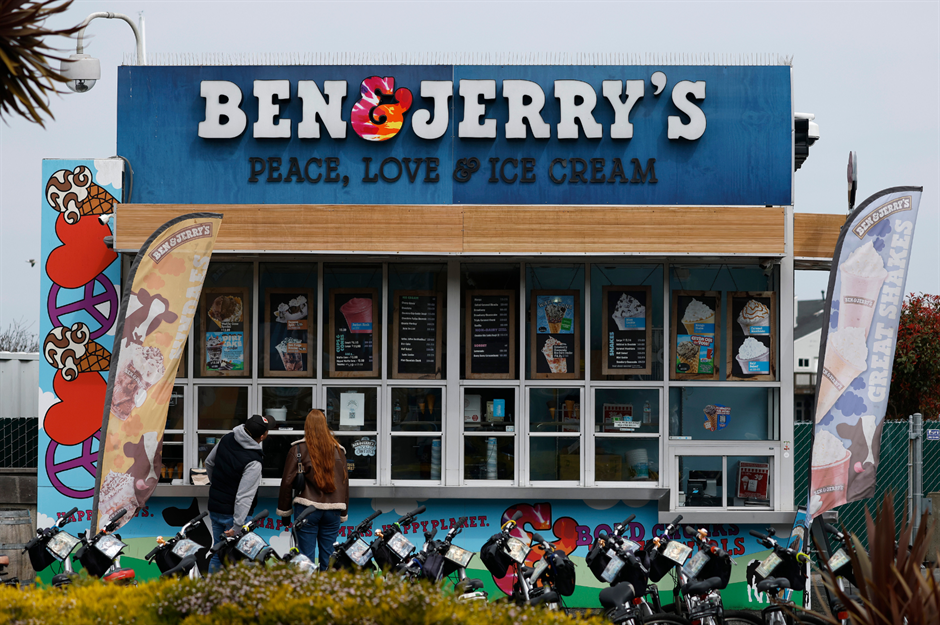
In 1978, childhood friends Ben Cohen and Jerry Greenfield turned a run-down petrol station in Burlington, Vermont into an ice cream shop after taking a $5 correspondence course in ice cream-making. With flavours as funky as their vibe (Cherry Garcia, anyone?), they quickly scooped a loyal following.
They went public in 1984 and used business as a force for good long before it was trendy. In 2000, Unilever acquired the brand for $326 million (the equivalent of $611m/£453m in 2025) but kept its independent spirit intact. Today, Ben & Jerry’s earns over $1 billion (£736m) annually and is sold in more than 35 countries.
Dell: 1984
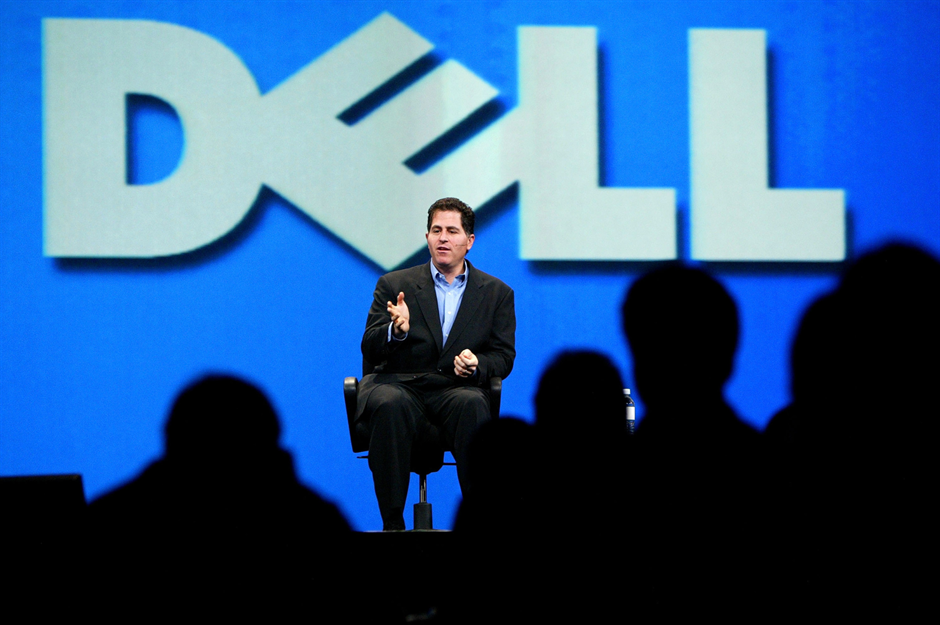
In 1984, college freshman Michael Dell had a big idea in his University of Texas dorm room: sell custom PCs directly to consumers, cutting out the middlemen. Armed with just $1,000 (around $3k/£2.2k today) and a knack for efficiency, he launched 'PC’s Limited'. His build-to-order model caught fire, and in 1988, Dell went public.
By the late 1990s, Dell was a PC powerhouse, and by 2001, it had become the world’s largest PC maker. Fast-forward to 2024, and Dell Technologies brings in over $90 billion (£66bn) annually and operates in more than 180 countries.
Cisco: 1984
Cisco’s story started in 1984, not in a fancy lab but in a humble home office at Stanford University. Co-founders Len Bosack and Sandy Lerner (then a married couple working at Stanford) wanted to send emails between their offices on different networks. So, they built a multi-protocol router in their living room. That little invention laid the groundwork for the modern internet.
Cisco went public in 1990. By the height of the dot-com boom, it briefly became the world’s most valuable company with a $500 billion valuation, around $826 billion (£612bn) in 2025. Today, Cisco earns around $57 billion (£42bn) annually, has customers in over 115 countries, and powers a massive chunk of global internet traffic. This living room side project soon connected a campus, and then the world.
Sponsored Content
Amazon: 1994
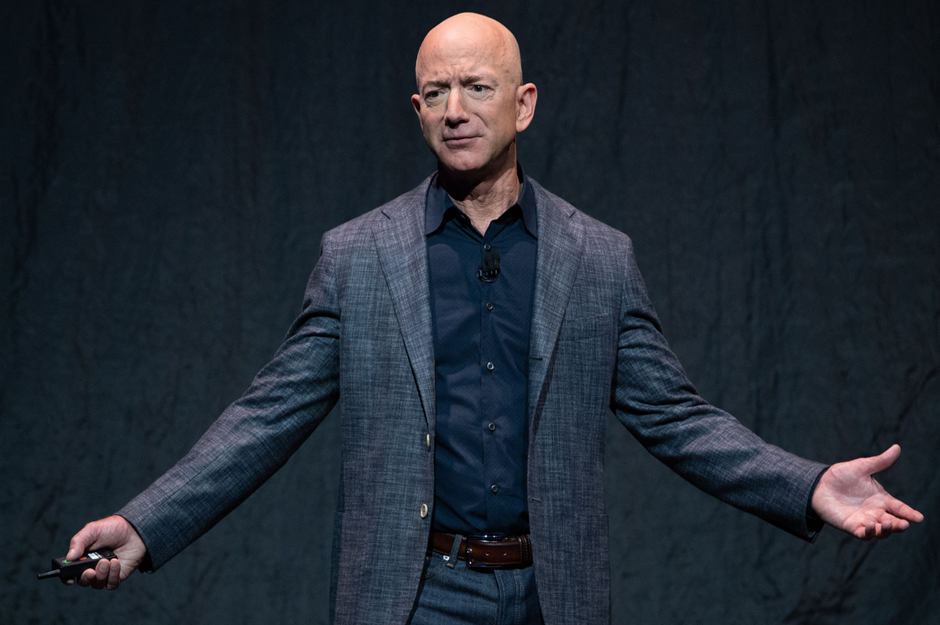
In 1994, Jeff Bezos left his Wall Street job and set up shop in his garage in Bellevue, Washington. Armed with a door-turned-desk and a wild idea to sell books online, he launched Amazon.com. The site went live in 1995 and was making $20,000 ($42k/£31k today) a week by the end of its first month. The company went public in 1997 and quickly exploded beyond books.
By 2023, Amazon was pulling in $575 billion (£423bn) in annual revenue. Amazon Web Services (AWS), its cloud arm, brings in over $90 billion (£66bn) alone. With warehouses, offices, and services in over 100 countries, Amazon has reshaped how the world shops, watches, reads, and works. Current market cap? A cool $1.8 trillion (£1.3tn). Not bad for a digital bookstore in a garage.
Google: 1998
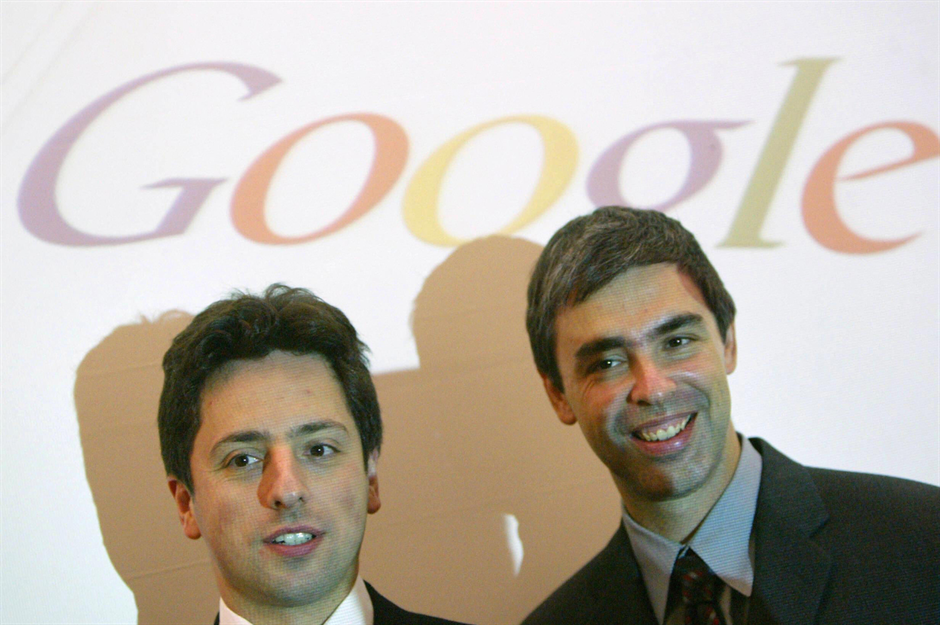
In 1998, Larry Page and Sergey Brin launched Google from a rented garage in Menlo Park, California – yes, another iconic garage startup. What began as a Stanford research project turned into the world’s favourite way to find... pretty much anything. Their clever PageRank algorithm quickly outperformed all other search engines.
Google went public in 2004, raising $1.7 billion ($2.9bn/£2.1bn today) and instantly making waves in Silicon Valley. By 2023, its parent company Alphabet was earning $325 billion (£238bn) annually, with over 80% coming from advertising. Google now operates in virtually every country and commands over 90% of the global search market. With a valuation north of $2 trillion (£1.4tn), that little garage project ended up organising the entire world’s information. No big deal.
Spanx: 2000
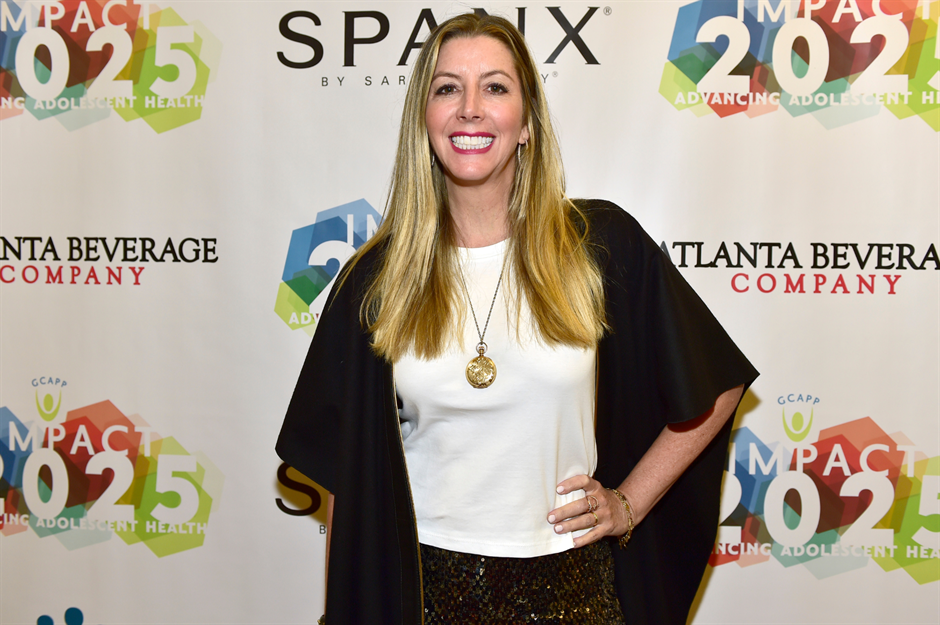
In 2000, Sara Blakely cut the feet off a pair of control-top pantyhose in her Atlanta apartment to wear under white pants – and unwittingly launched a shapewear empire. With just $5,000 ($9.3k/£7k today) in savings, no fashion background, and a lot of hustle, she built Spanx from scratch, even writing her own patent and cold-calling retailers.
A game-changing shoutout from Oprah in 2000 sent sales skyrocketing. By 2012, Spanx was earning $250 million a year, the equivalent of around $351 million (£260m) in 2025. In 2021, Blackstone bought a majority stake, valuing the company at $1.2 billion (£879m) and making Blakely one of the world’s youngest self-made female billionaires. Today, Spanx is a global brand sold in over 50 countries, and it all started with one woman, one pair of scissors, and a brilliant idea.
Sponsored Content
Facebook: 2004
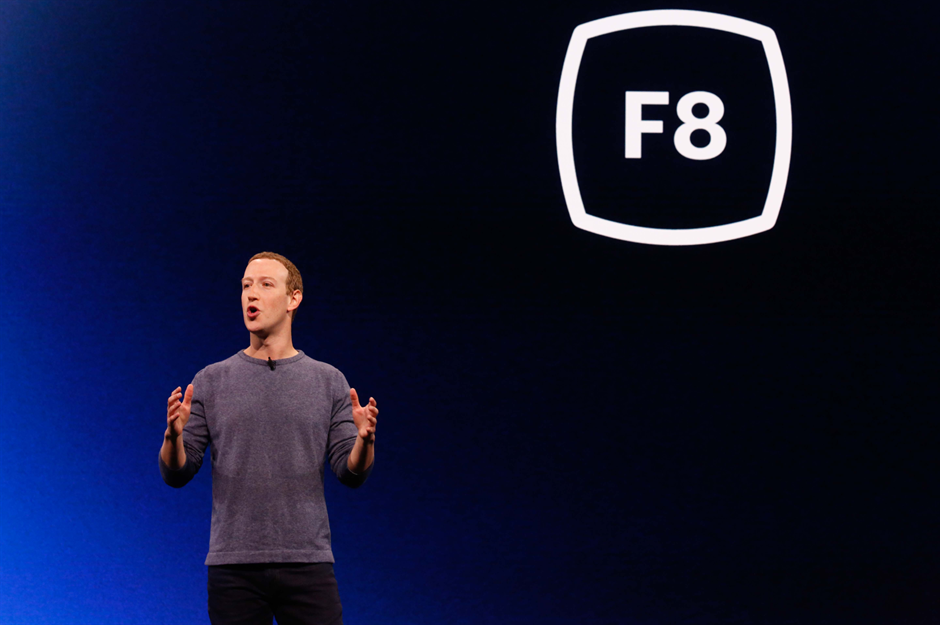
In 2004, Harvard sophomore Mark Zuckerberg built a simple website called 'TheFacebook' from his dorm room as a way for college students to connect. It caught fire on campus, then spread to other universities, and soon... the whole world. By 2012, Facebook went public, raising a jaw-dropping $16 billion – or almost $22.5 billion (£17bn) in today's money.
Now called Meta, the company owns Instagram, WhatsApp, and Oculus, and earned $134 billion (£98bn) in revenue in 2023 alone. With over three billion people using its platforms monthly and operations in nearly every country, Meta is a social media juggernaut. From dorm room drama to global digital dominance, Facebook rewrote the rules of how the world connects.
Dropbox: 2007

Dropbox started in 2007 in a Boston apartment as a fix for forgotten USB drives. Co-founders Drew Houston and Arash Ferdowsi wanted to make cloud storage simple and seamless. By offering free storage with easy syncing, it went viral. The company went public in 2018, raising $756 million ($971m/£720m in 2025 money). According to the latest figures, Dropbox serves over 700 million users in 180+ countries, with annual revenue exceeding $2.5 billion (£1.8bn). It's become a trusted platform for individuals and businesses around the globe.
WhatsApp: 2009
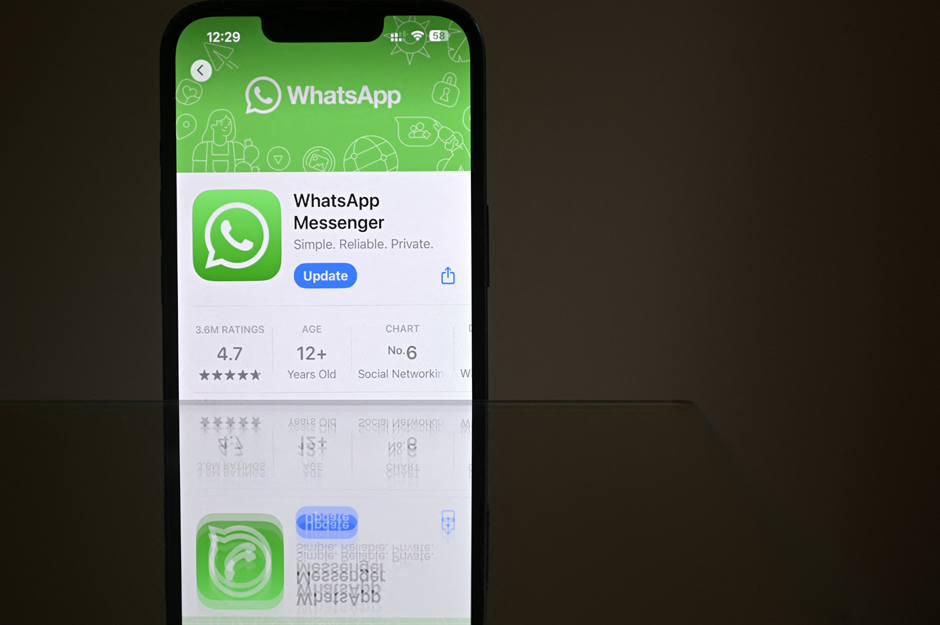
Built in Jan Koum’s kitchen in 2009, WhatsApp offered simple, ad-free messaging from day one. In 2014, Meta bought it for $19 billion (almost $26bn/£19bn today) and as of early 2025, it boasts 3 billion monthly active users. Though it accounts for just under 1% of Meta’s revenue, WhatsApp for Business brought in around $1.8 billion (£1.3bn) in 2024. Active in over 180 countries, the messaging platform handles more than 150 billion messages daily.
Now discover surprising things people have tried to trademark