Revealed: fascinating origins of everyone's favorite American foods
The taste of America
Heinz tomato ketchup
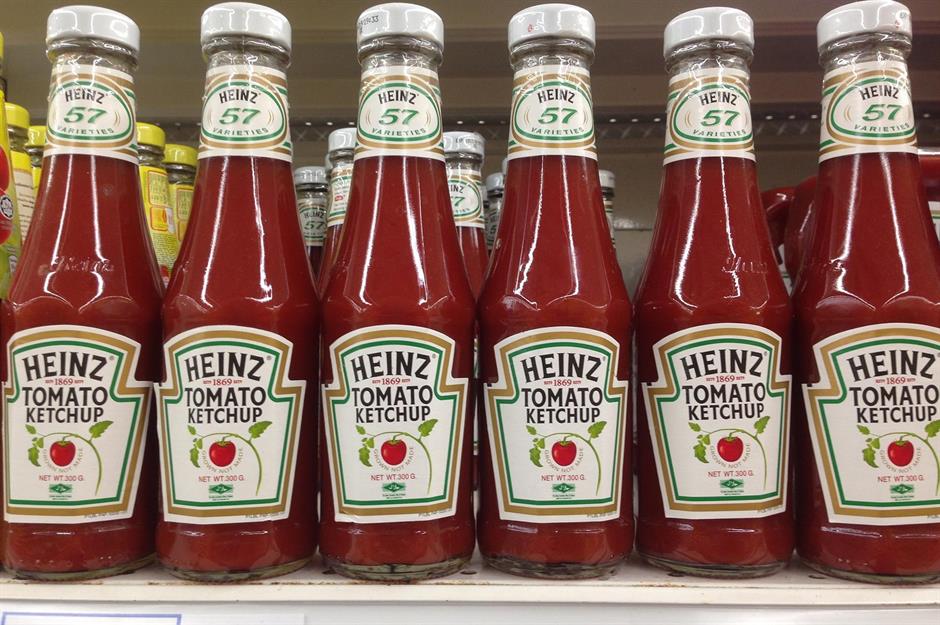
Heinz tomato ketchup
Sponsored Content
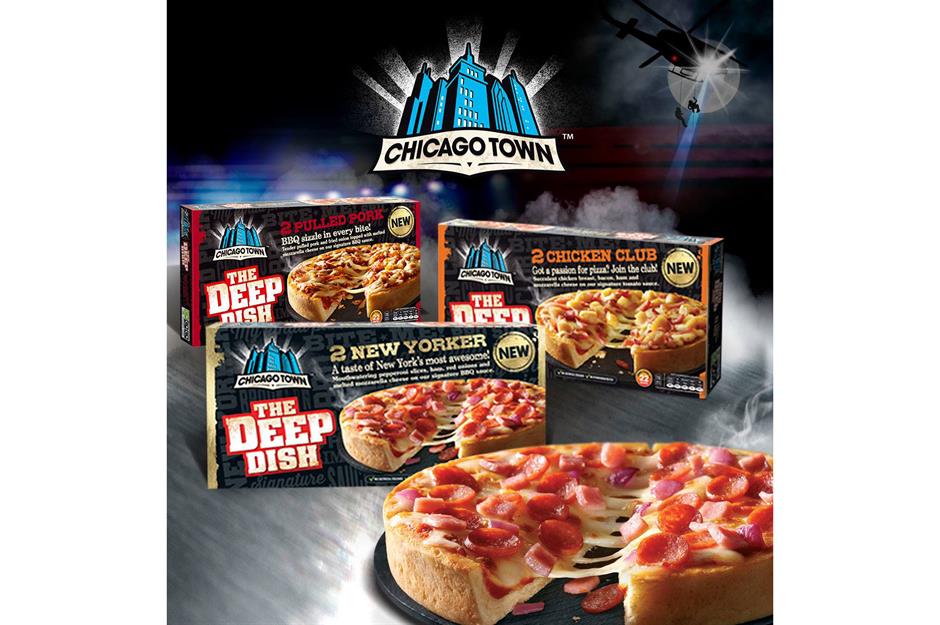
Chicago deep-dish pizza
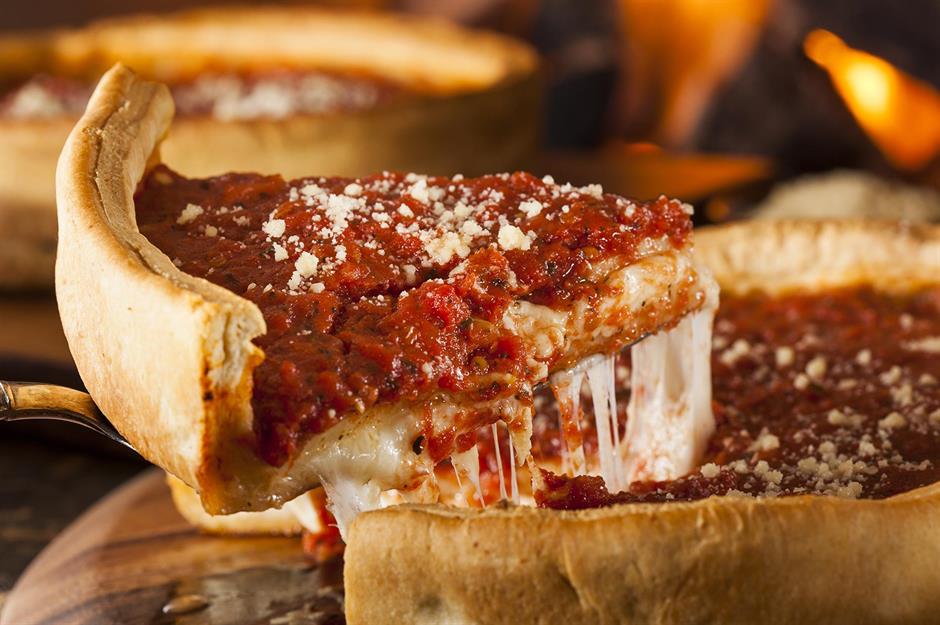
Chicago deep-dish pizza
Big Mac
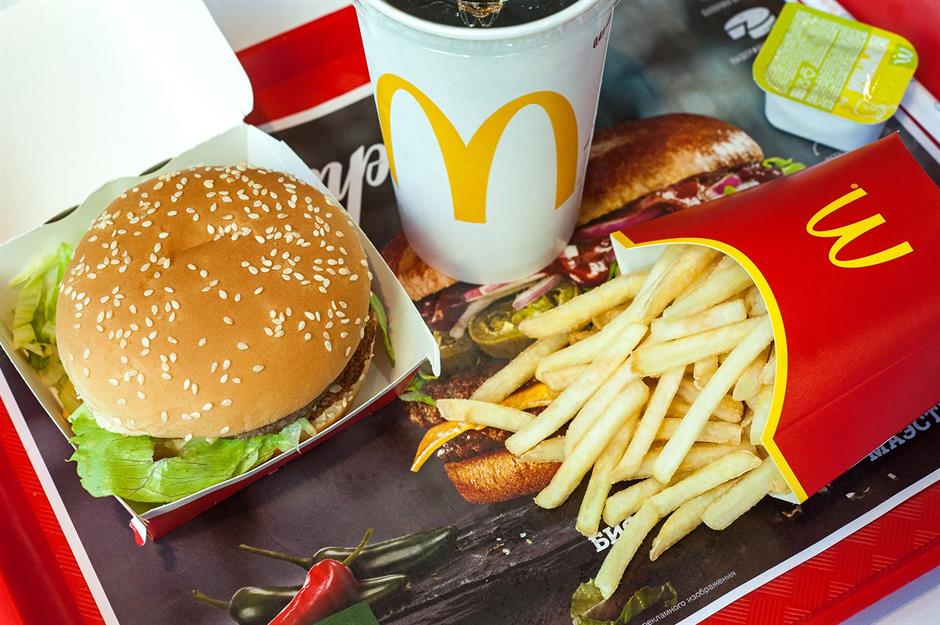
Dreamt up by Michael James 'Jim' Delligatti – a McDonald's franchisee who owned a store near Pittsburgh – the idea for a double-patty burger was turned down by McDonald's executives several times. The new burger had a sesame seed bun that wasn't used in any of their other products and a special sauce too. But Jim's persistence led to the Big Mac finally getting a space on the menu in 1967 and in the first year, it was such an incredible hit among customers it soon got rolled out across all McDonald's locations at the time.
Sponsored Content
Big Mac
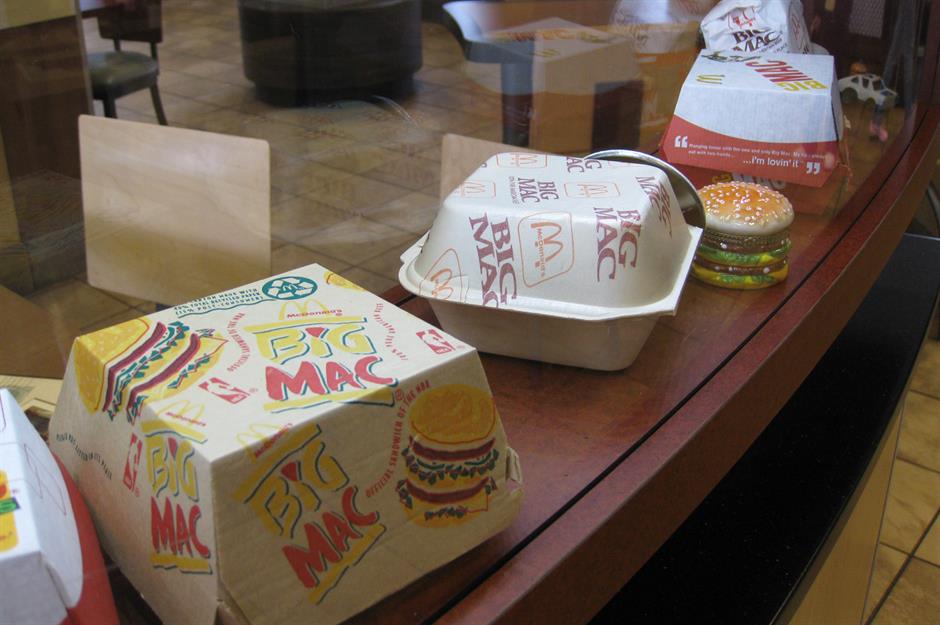
Big Mac's superfans can visit the Big Mac Museum Restaurant in Irwin, Pennsylvania. The museum, which is also a functioning McDonald's restaurant, displays Big Mac boxes from over the years as well as the first Big Mac bun toaster. Today McDonald's sells about 550 million Big Macs per year in the US alone.
Kellogg's Frosted Flakes
Kellogg's Frosted Flakes
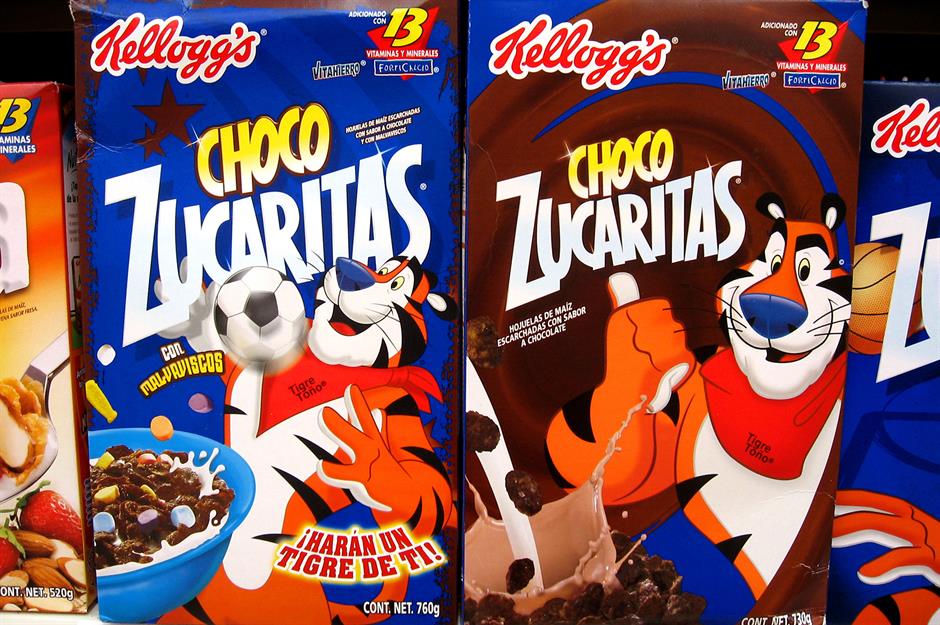
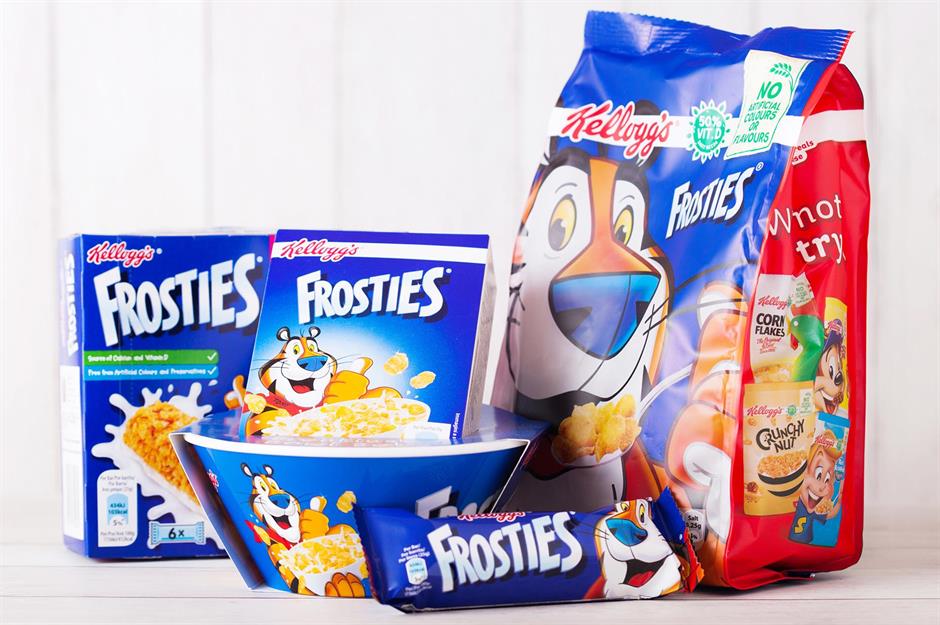
You might be surprised to learn that Tony's favorite breakfast cereal is not known as Frosted Flakes everywhere. Most countries apart from the US and Canada know the ubiquitous cereal as Frosties; Spanish-speaking nations in the Americas call it Zucaritas; Brazil uses Sucrilhos, and the Japanese enjoy a bowl of Corn Frosty in the morning. In fact, even in America Frosted Flakes had a different name until 1983. Previously known as Sugar Frosted Flakes, the word sugar was dropped when the nation became more conscious about its daily sugar intake.
Sponsored Content
New York cheesecake
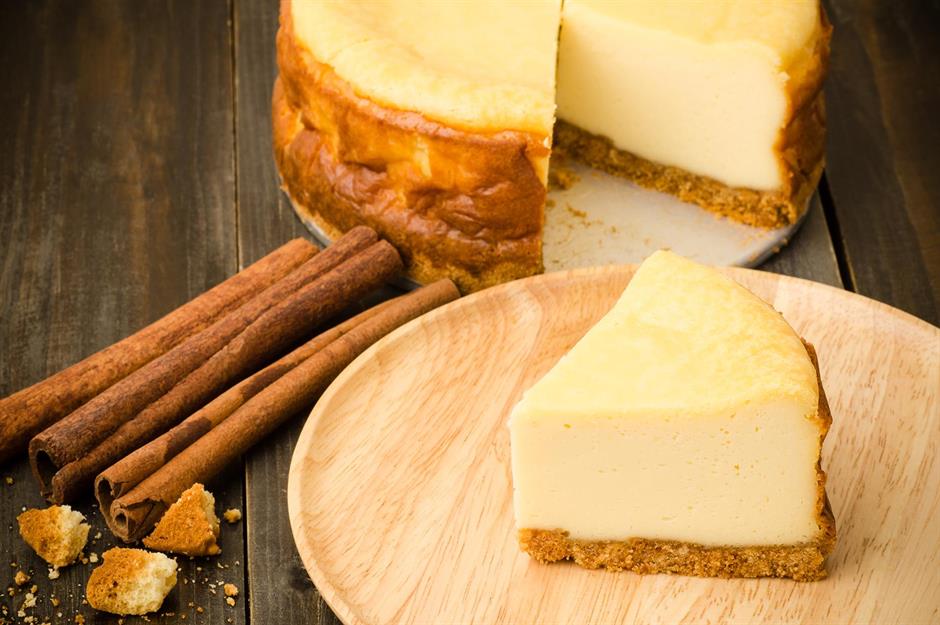
Cheesecake has a long history and different versions of it exist throughout the world – Hawaiian cheesecake is topped with pineapple, while in the UK the dessert is generally made with cream cheese and isn't baked. However, it's the New York version that the world can't get enough of. A stripped-back recipe, it has no extravagant flavorings and is rarely served with fancy toppings or indulgent sauces. The beginnings of a New York-style cheesecake can be traced back to 1872, when New York dairyman William Lawrence accidentally made cream cheese while trying to recreate a soft French cheese known as Neufchâtel.
New York cheesecake
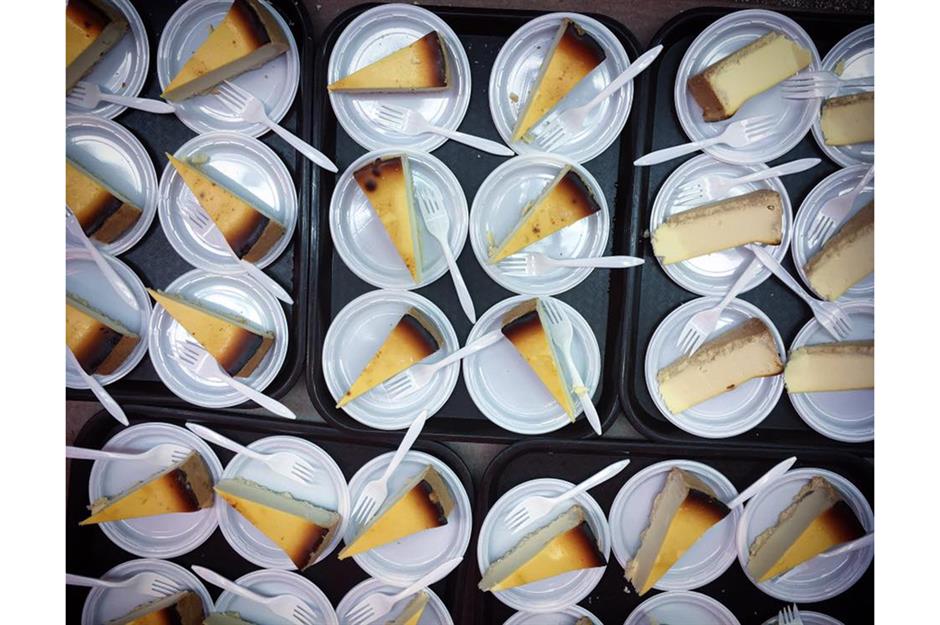
The cheesecake itself didn't see daylight until the 1900s, when Arnold Reuben, a German-Jewish immigrant (apparently the same man who created the legendary sandwich), purportedly came up with the classic cheesecake recipe after having tasted variations of it at a dinner party. Reuben began serving the new recipe in his Turf Restaurant where it quickly gained popularity. Both the Turf Restaurant and the Reuben Restaurant and Deli are now closed, however, you can still get a taste of the original, no-frills New York cheesecake at a number of delis, like Katz's.
Peanut butter and jelly sandwich
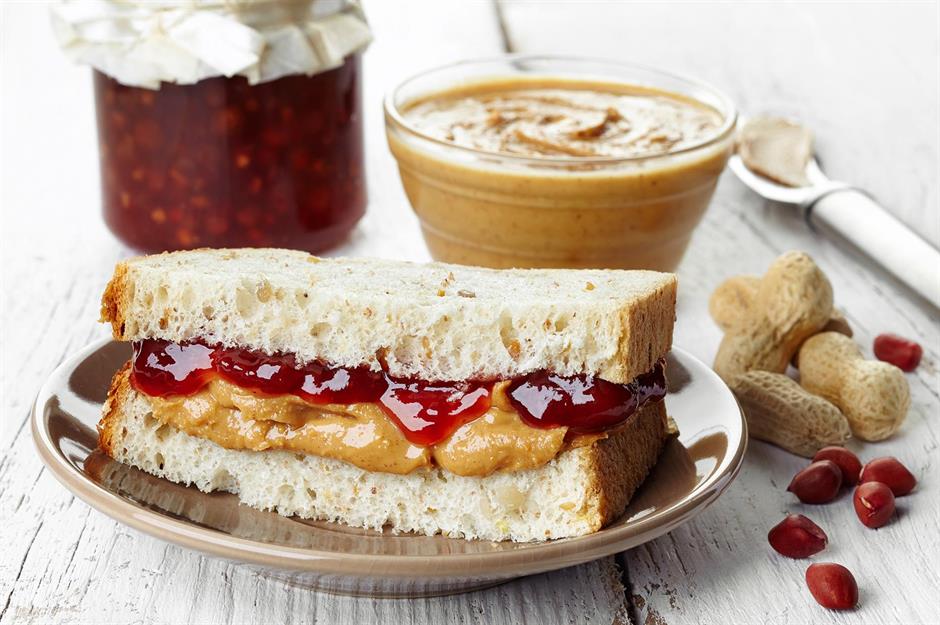
In the early 1900s peanut butter was a luxury served at the elegant Manhattan tea rooms and it wasn't until the invention of sliced bread in the 1920s that the peanut butter sandwich was eaten by the masses. Also, around the same time, popular peanut butter brands like Skippy hit the shelves and during the Great Depression the popularity of this simple yet filling sandwich grew. After the Second World War jelly came into play too. Alongside peanut butter and bread, jelly was on the US military's ration list, so it didn't take long for thrifty parents to put two and two together.
Sponsored Content
Peanut butter and jelly sandwich
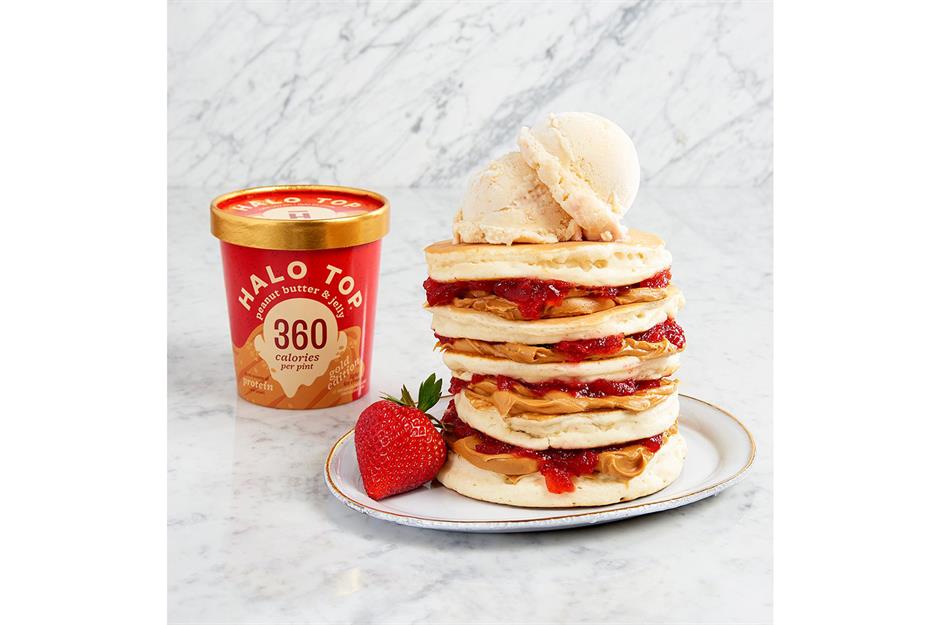
Traditionally made with two slices of white bread, two tablespoons of strawberry jelly and two tablespoons of peanut butter, the iconic sandwich has crossed continents and its flavor has gained an almost cult-like status. PBJ was a popular Ben & Jerry's ice cream flavor from 1989 to 1990; there are peanut butter and jelly-flavored vodkas and beers; and a flurry of cake, brownie and donut recipes incorporate the classic PBJ flavor too. The world just can't get enough of this simple yet classic combination.
Love this? Follow our Pinterest page for more food inspiration
BLT
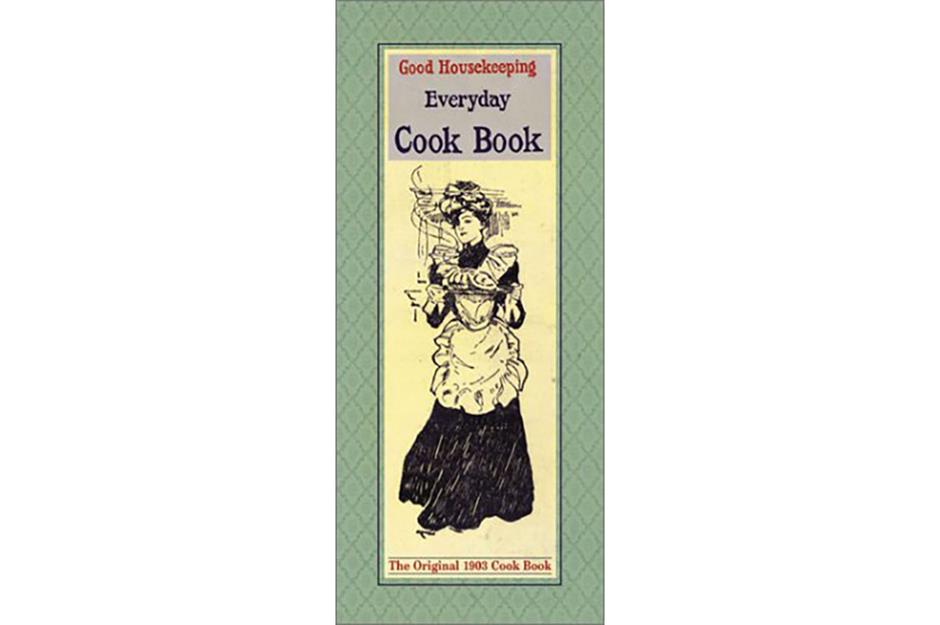
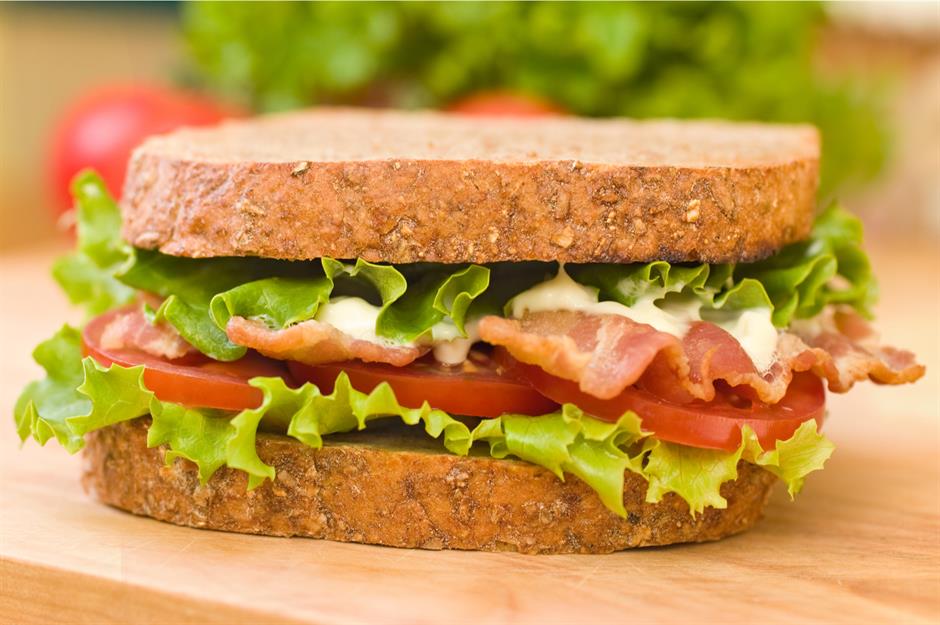
The history of the BLT is not entirely clear, though there is little evidence that the tasty sandwich existed before the 1900s. In fact, a recipe in the 1903 Good Housekeeping Everyday Cook Book (pictured) that included bacon, lettuce, tomato, mayonnaise and a slice of turkey is thought to be one of the first mentions of a BLT-like sandwich. It gained popularity rapidly after the Second World War when the rise of supermarkets meant ingredients were available throughout the year.
BLT
Sponsored Content
Oreo
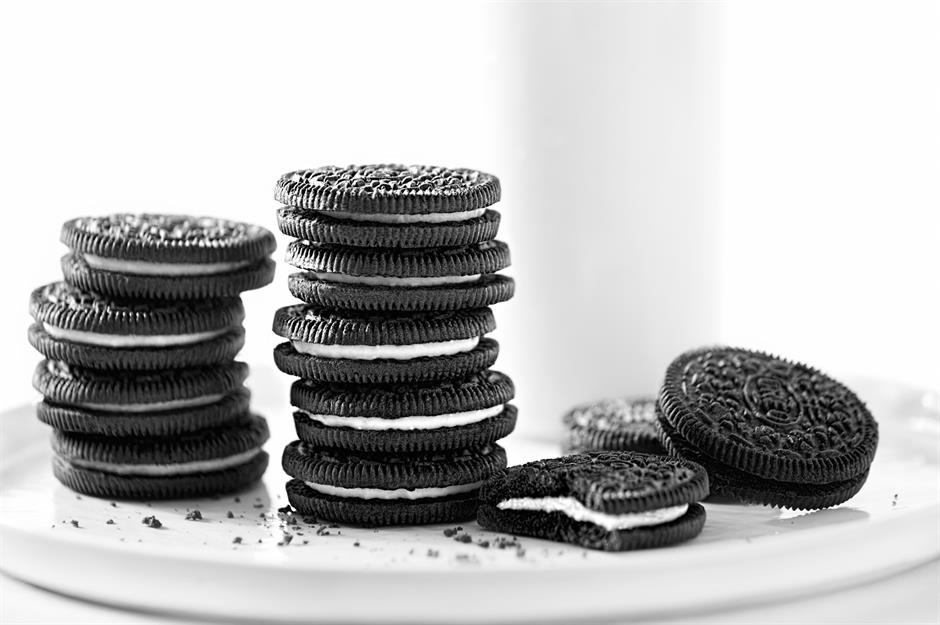
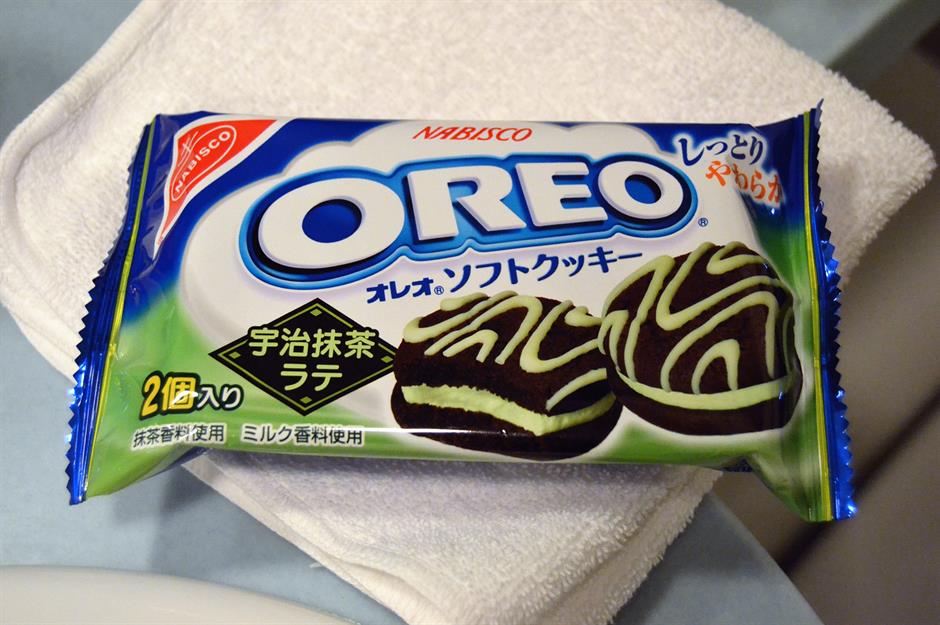
Developed in 1912 by National Biscuit Company (today known as Nabisco), the first Oreo was sold on 6 March 1912 to a grocer in Hoboken, New Jersey. Today, Oreo is the best-selling cookie in the world, sold in more than 100 different countries and bringing in over $2 billion in annual sales. Apart from in the alternative versions, like Mini Oreos and Oreo Thins, there's a very precise biscuit-to-filling ratio that has to be exactly 71% cookie and 29% cream.
Oreo
Cosmopolitan
Sponsored Content
Cosmopolitan
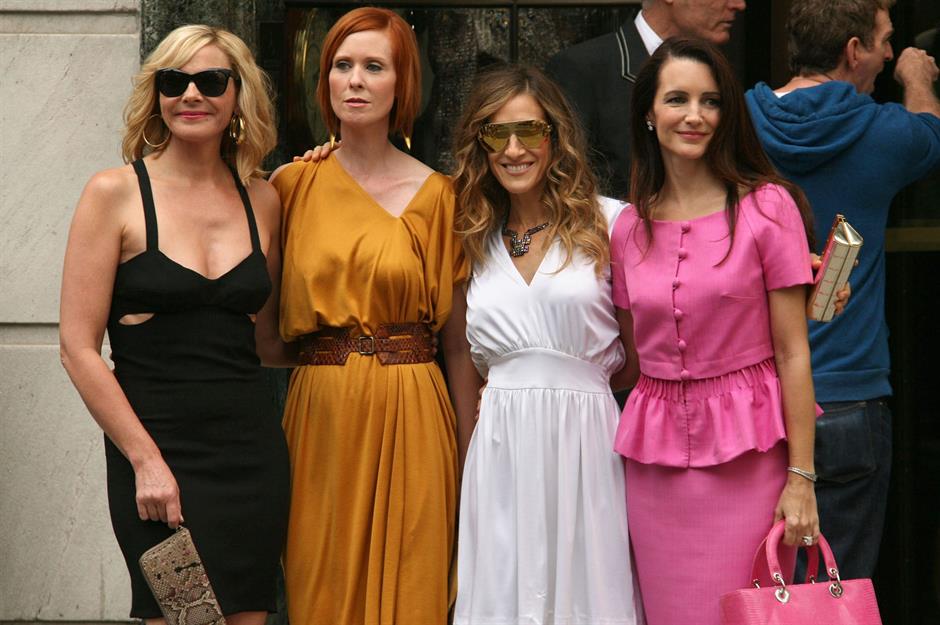
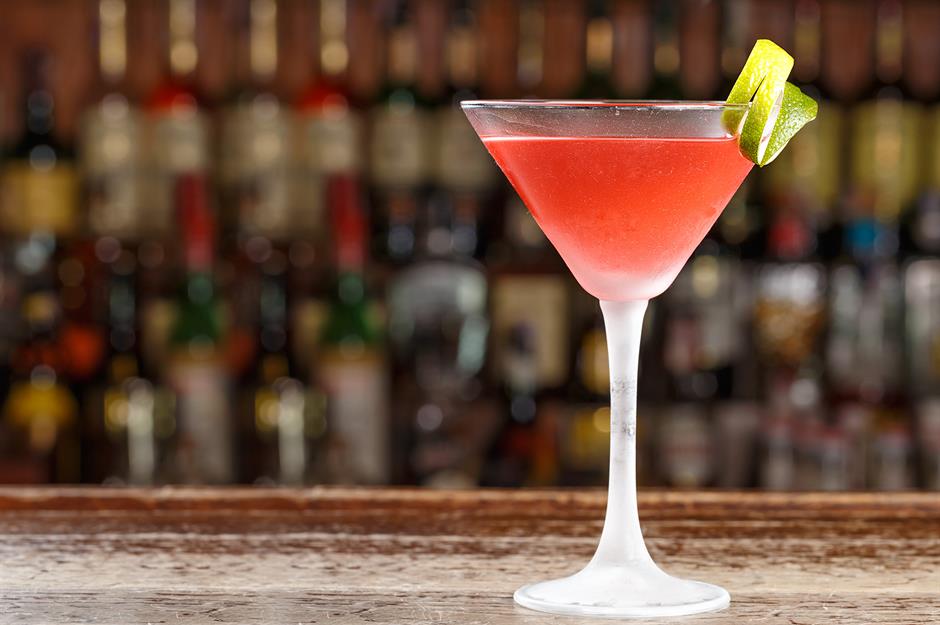
Of course, it wasn't until Sex and the City hit screens around the world in the late 1990s that the Cosmo achieved the status of a pop culture icon. It topped bar menus around the world as it became synonymous with independent, working women and the budding cocktail revolution.
Coca-Cola
Coca-Cola
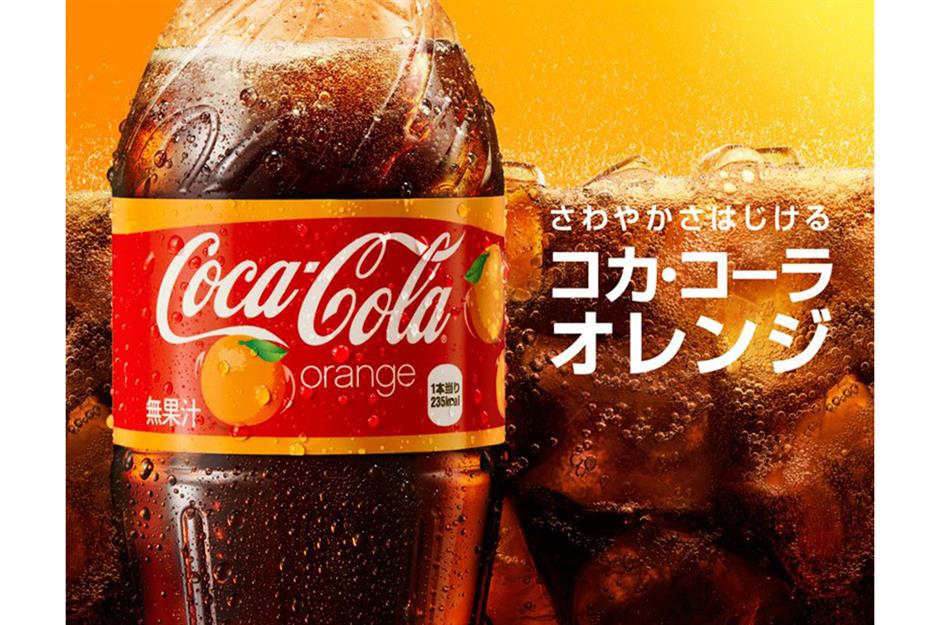
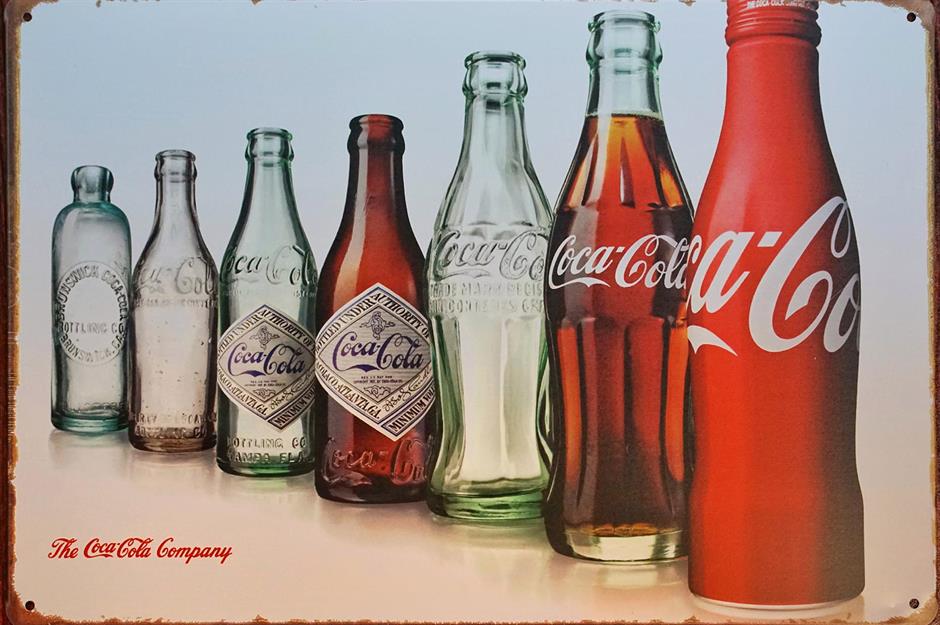
The fizzy drink is now available in more than 200 countries around the world, and Coca-Cola is estimated to be the second most widely understood term on the planet after 'OK'. In fact, it's thought that nearly 10,450 soft drinks from Coca-Cola are consumed every second of every day around the globe.
Love this? Now find out the weird and wonderful Coca-Cola flavors sold around the world
Sponsored Content
Ben & Jerry's Cookie Dough Ice Cream
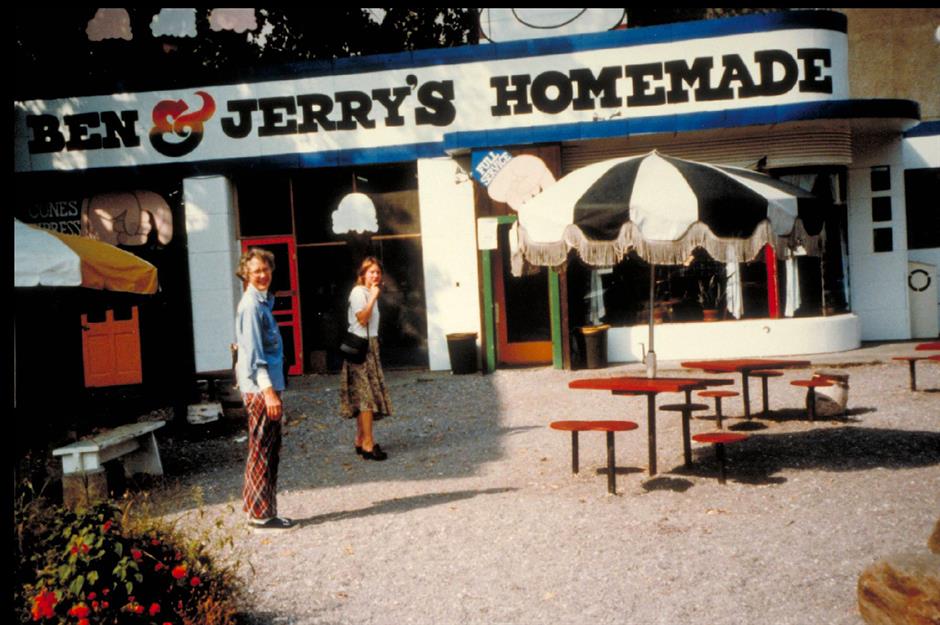
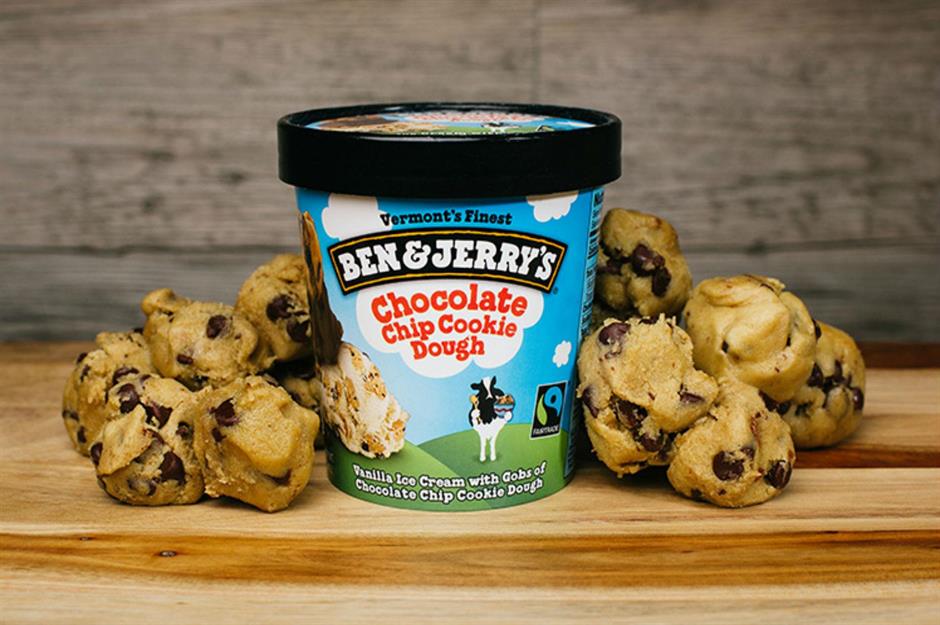
Ben & Jerry's Cookie Dough Ice Cream
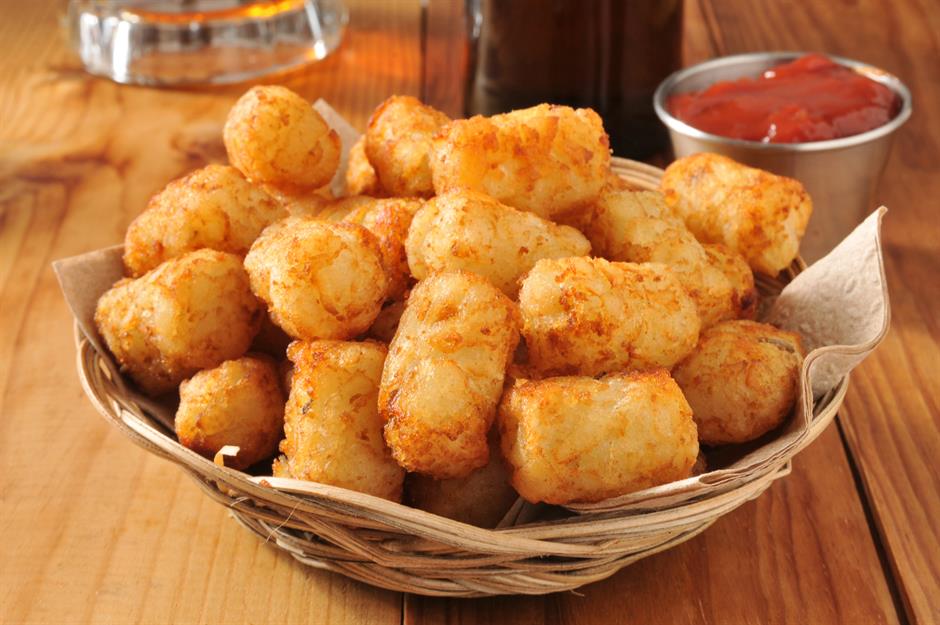
Tater tots
Sponsored Content
Tater tots
Hot dog
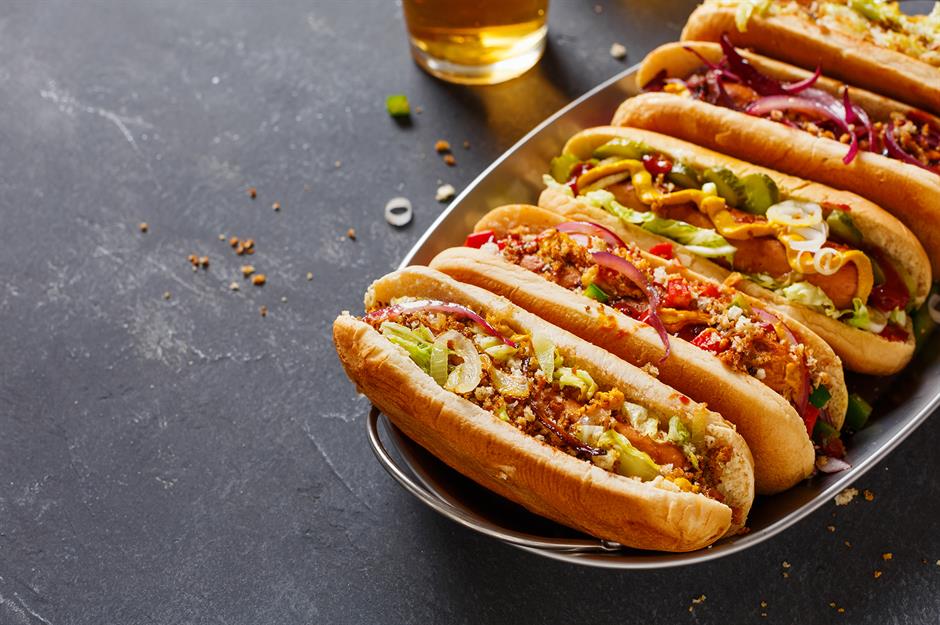
Hot dog
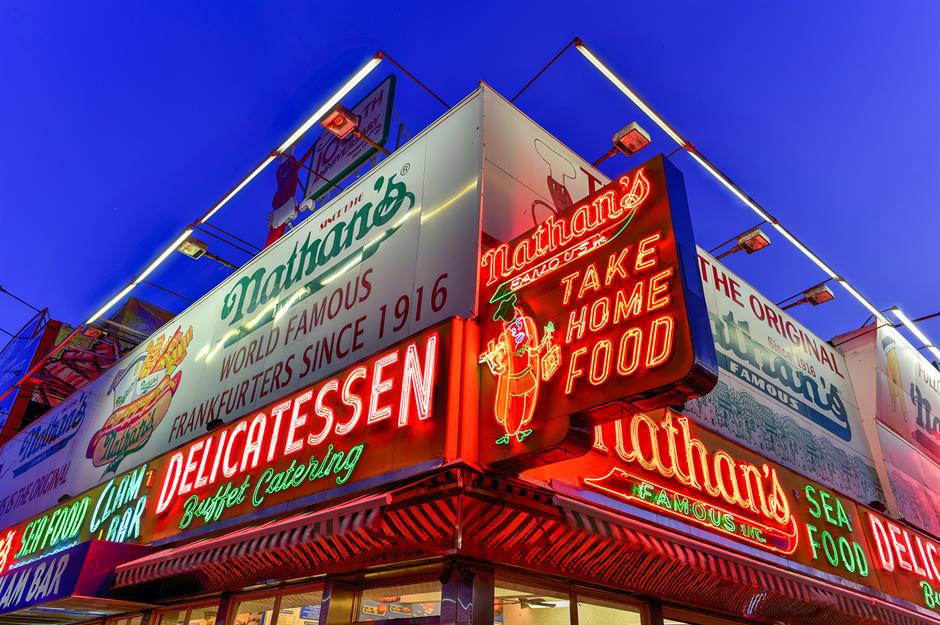
The hot dog really took off when Nathan Handwerker opened a hot dog stand in Coney Island in 1916. By the 1920s Nathan's Famous was exactly that – famous. Hot dog fever had taken America by storm and it hasn't shown any sign of stopping since. Hot dogs have become an indispensable part of American-style diners and cafés around the world, and new hot dog stands are popping up in trendy food markets, where you'll find delicious takes like Korean kimchi hot dogs.
Now check out these fast food favorites from the year you were born
Sponsored Content
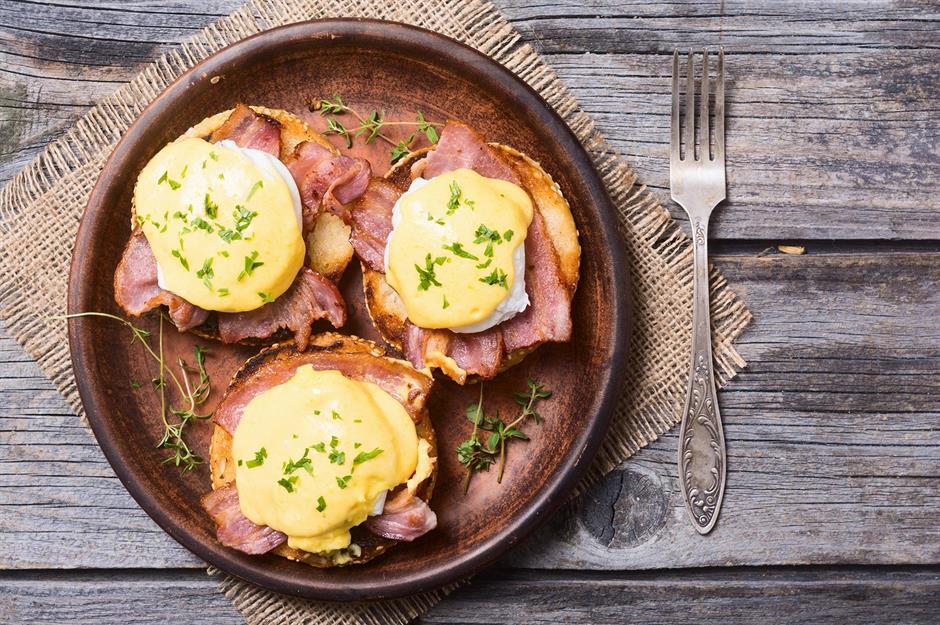
Eggs Benedict
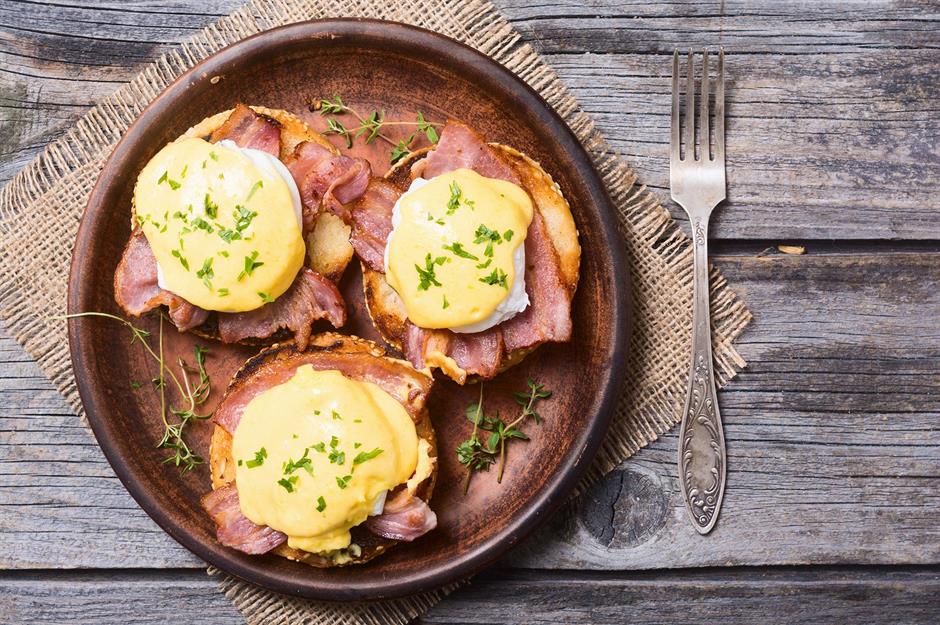
Eggs Benedict
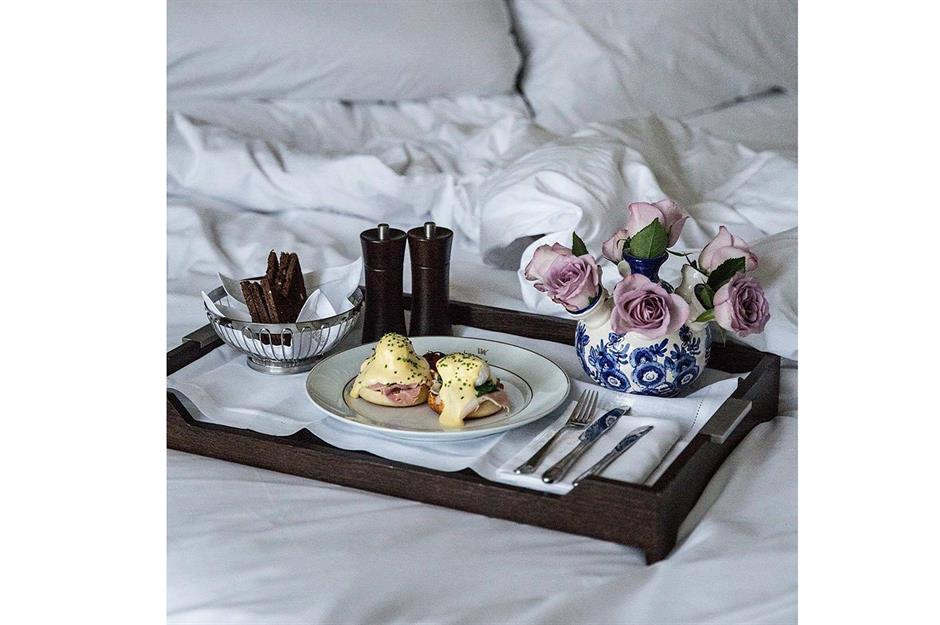
Several eggs Benedict origin stories exist, however, the most widely accepted is that of Lemuel Benedict, a Wall Street stockbroker. Hungover and hungry, Benedict wandered into New York City's Waldorf Hotel (now Waldorf Astoria) in 1894 and ordered "buttered toast, poached eggs, crisp bacon and a hooker of hollandaise". According to the story, Oscar Tschirky, the maître d'hôtel, was so impressed with the dish, he put eggs Benedict on the menu, swapping toast for an English muffin and crisp bacon for Canadian bacon. The dish has remained an icon at the hotel, served to everyone from presidents to movie stars.
Waldorf salad
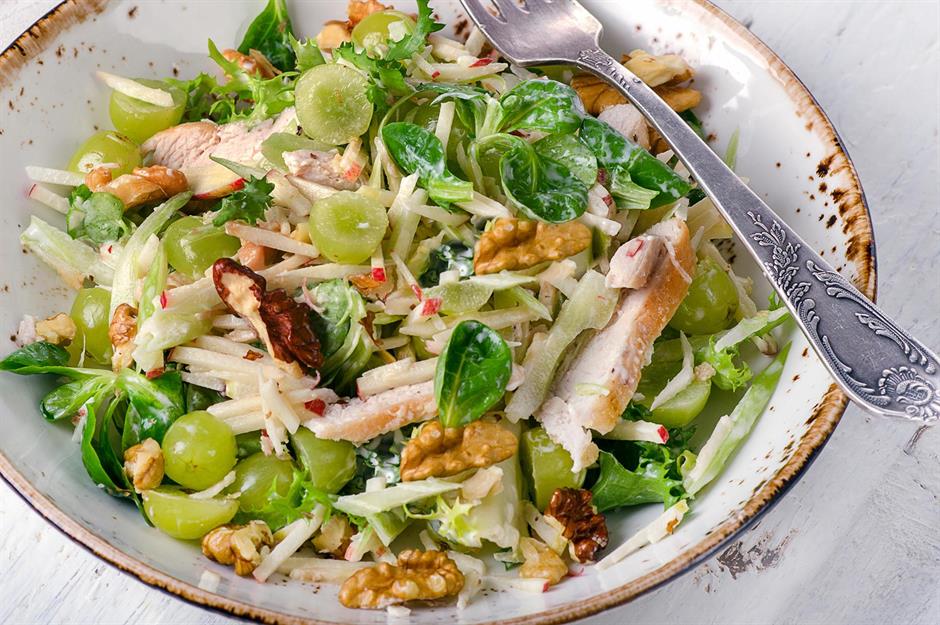
Another dish invented by Oscar of the Waldorf (a popular nickname for Oscar Tschirky), the Waldorf salad took New York City by storm when it was first served in the 1890s. While the original recipe – outlined in Oscar's cookbook The Cookbook by Oscar of the Waldorf – only contained apples, celery and mayonnaise, chopped walnuts, grapes and blue cheese have all become an integral part of the dish over time.
Sponsored Content
Waldorf salad
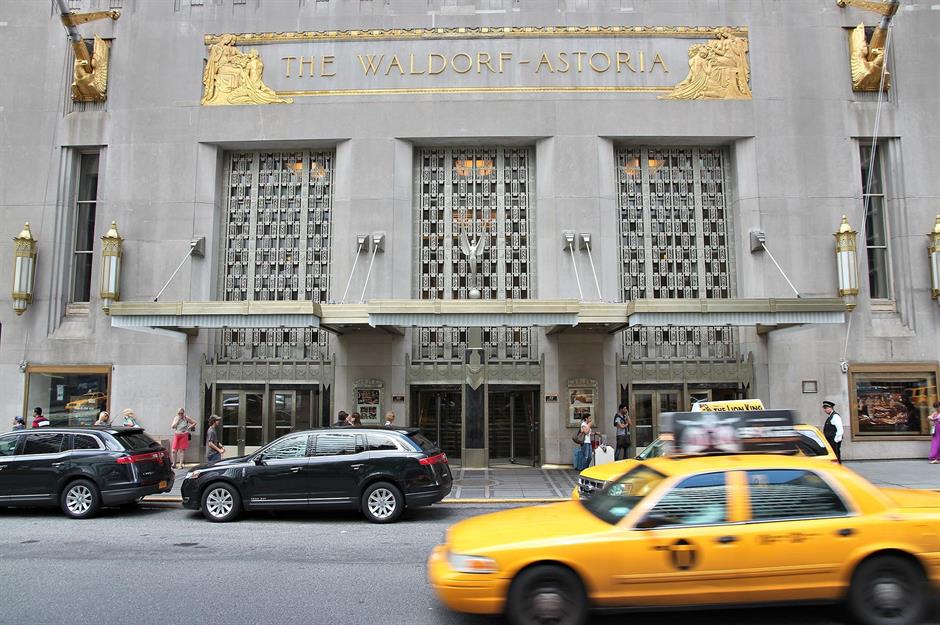
In Europe, one of the first Waldorf salad mentions can be found in the legendary chef Auguste Escoffier's cookbook Complete Guide to Modern Cookery. Close to a culinary bible, the cookbook left an impact on restaurants across the continent, who all started including versions of the Waldorf salad on their French-inspired menus. Back at the Waldorf, despite the dish's age and divisive reputation, it's still one of the most ordered plates of food, with more than 20,000 servings leaving the Waldorf's kitchen every year.
Buffalo wings
Buffalo wings
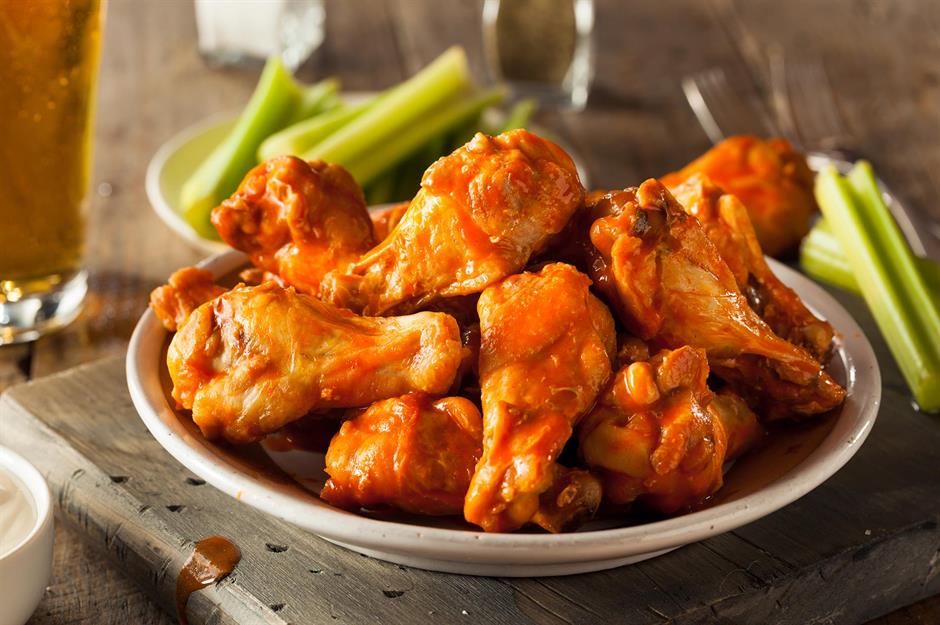
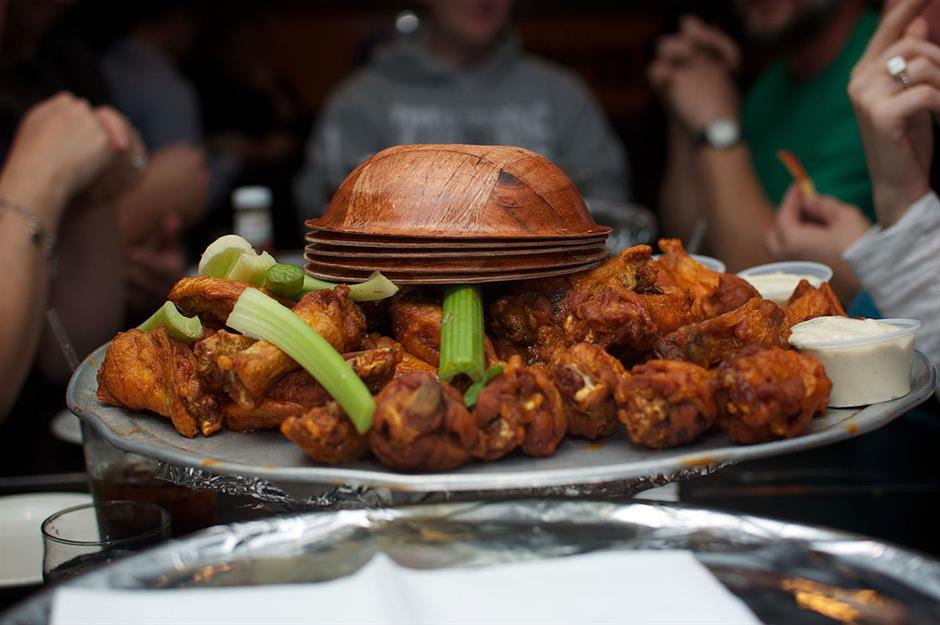
Whoever Teressa was supposed to feed, she came up with the idea of broiling the wings before slathering them in a spicy sauce and serving them with celery and blue cheese sauce. And the whole world has had a love affair with this zingy and delicious appetizer ever since. In fact, Americans eat an estimated 1.35 billion chicken wings on Super Bowl Sunday, according to the National Chicken Council.
Now discover these amazing foods that were invented by accident
Sponsored Content
Comments
Be the first to comment
Do you want to comment on this article? You need to be signed in for this feature