The movies that lost the most money at the box office
Blockbusters that epically flopped
Hollywood studios invest hundreds of millions of dollars in the hopes of creating the next blockbuster, but not every film can achieve the resounding success of Avatar or Titanic.
While many of the movies we've selected for this list have gone on to become cult favourites, they nonetheless bombed at the box office.
Read on to discover the movies that lost the most money and why.
All dollar amounts in US dollars. Pre-2022 figures have been adjusted for inflation.
Poseidon: lost $113 million (£83.2m)
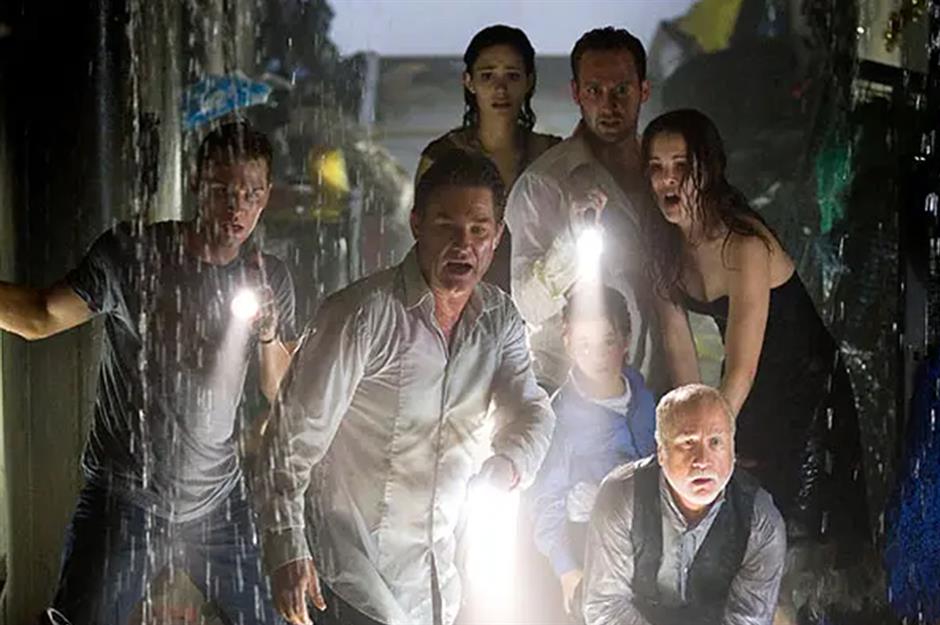
Poseidon, a survivor thriller movie released in 2006, was directed by Wolfgang Petersen. Due to his previous success with films such as Troy and The Perfect Storm, Warner Bros. confidently handed him a $160 million production budget for the project. However, the movie failed to make a splash. A poor script led to a wave of negative reviews, while a lack of big-name leads meant there was limited star power.
Technically, the film outperformed its production budget, with a worldwide gross of $181 million, but Warner Bros. had expected more. Overall, with the cost of a lavish marketing campaign factored in, it's estimated to have lost the studio a staggering $69 million, or $113 million (£83.2m) in today's money.
Pan: lost $120 million (£88.4m)
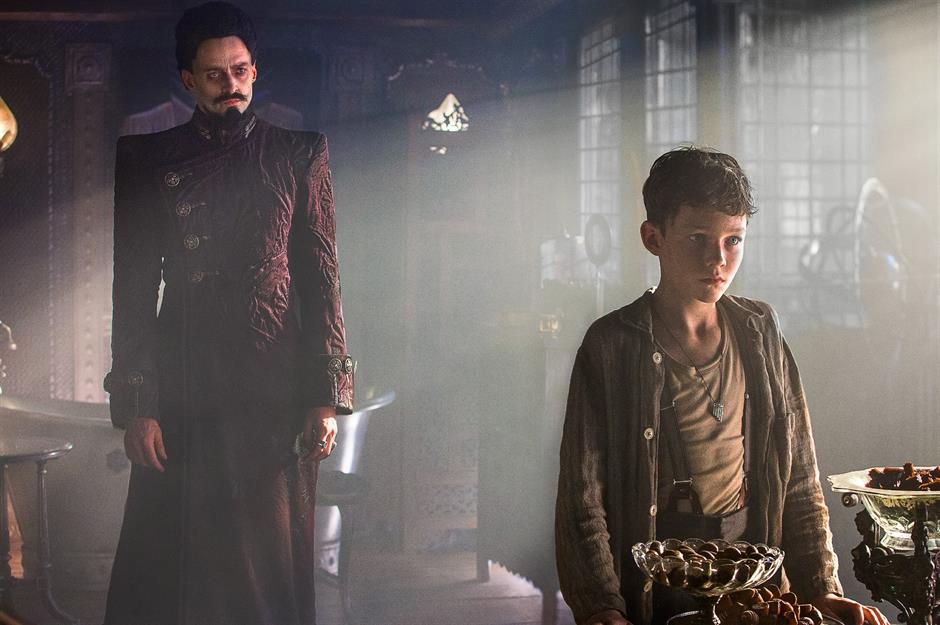
Released in 2015 by Warner Bros., Pan was an adaptation of J.M. Barrie's classic novel Peter Pan. Confident of cinematic success, the studio gave the movie a production budget of $150 million. Despite acclaimed director Joe Wright leading the project, Pan only managed to gross $128 million worldwide.
Several factors contributed to Pan's failure. To begin with, while Hugh Jackman played the role of Captain Hook, the movie's lack of major star names failed to appeal to the masses. Critics slammed the film, with everything from the plot to the special effects criticised. It was also embroiled in a whitewashing scandal due to the Native American princess, Tiger Lily, being portrayed by Rooney Mara, a White actress.
Factoring in marketing and distribution costs, the movie lost a far-from-magical $86.3 million. That's $120 million (£88.4m) in today's money.
Sponsored Content
Borderlands: $115 million (£84.7m)
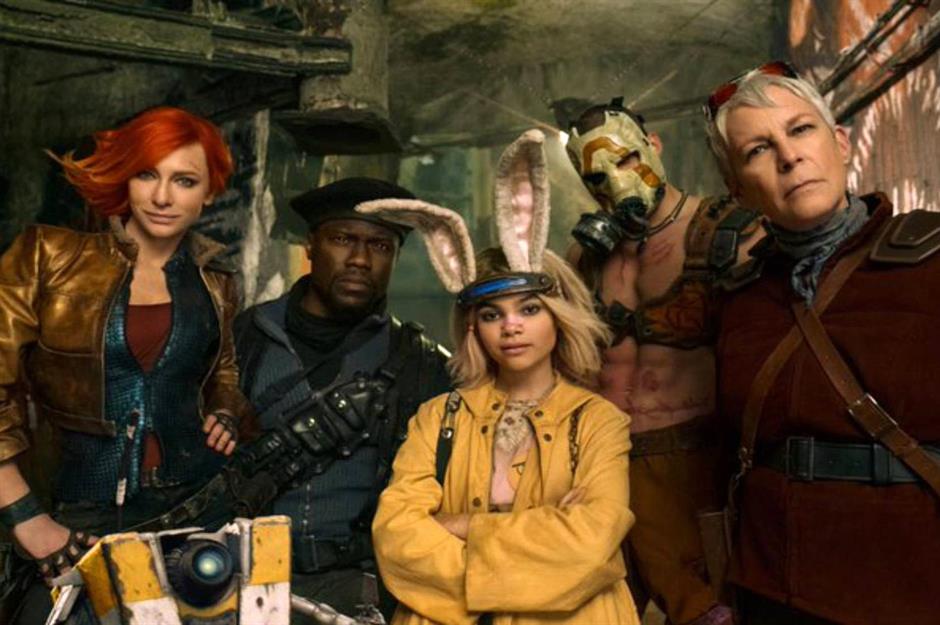
Borderlands, a silver screen adaptation of the best-selling video game franchise, hit screens in 2024. According to Variety, it boasted a production budget of $115 million (£84.7m), while other estimates have placed it closer to $155 million (£114m), with a hefty $30 million (£22m) spent on marketing and distribution.
Despite its huge budget and an all-star cast, which included Cate Blanchett and Jamie Lee Curtis, the film received a slew of bad reviews. It grossed a meagre $33 million (£24m) globally, barely covering its marketing costs. It was rushed onto streaming services less than a month after opening in cinemas and is estimated to have incurred a loss of at least $115 million (£84.7m).
Tomorrowland: lost $125 million (£92.1m)

On paper, Tomorrowland was a sure-fire hit. Financially backed by Walt Disney Studios Motion Pictures, it starred one of Hollywood's most bankable leading men in George Clooney and also had a title inspired by a land at the globally adored Disney theme parks. The project was given a mammoth production budget of $190 million.
Yet despite all these factors in its favour, the film – which opened to mostly positive reviews – grossed $209 million globally, a mere $19 million more than its production costs. Factoring in promotional costs, Disney lost around $90 million, or $125 million (£92.1m) in today's money, with a cryptic marketing campaign failing to generate interest.
The Promise: lost $129 million (£95m)

The Promise, a romantic drama set against the backdrop of the 1915 Armenian Genocide, premiered in 2016 at the Toronto International Film Festival. It was subsequently picked up for distribution by Open Road Films, with high hopes that the combined star power of Christian Bale and Oscar Isaac would carry the film to cinematic success.
But it wasn't to be. The Promise pulled in a pitiful $12.4 million worldwide, $77.6 million less than its $90 million production budget. Overall, the picture is believed to have lost $93.6 million, or $129 million (£95m) in today's money.
Sponsored Content
R.I.P.D.: lost $132 million (£97m)
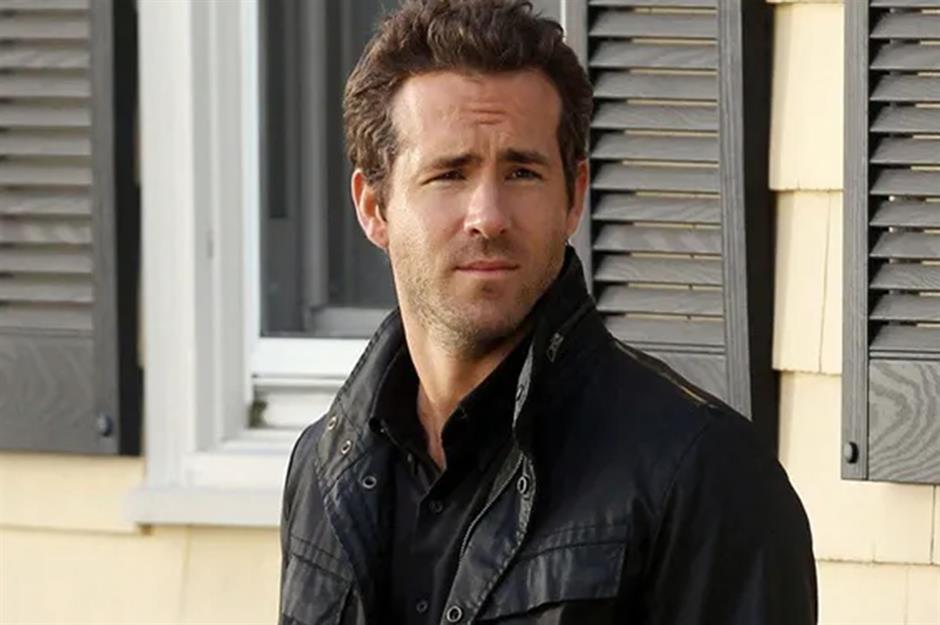
Ryan Reynolds is one of Hollywood's best-loved and most bankable stars, yet even he has experienced the pain of a box office failure, most notably in the form of 2013's disastrous R.I.P.D.. The film, which also starred Jeff Bridges and Kevin Bacon, reportedly had a production budget north of $130 million. Despite this, it only managed to gross $78.3 million worldwide, $51.7 million less than its production costs.
Universal Pictures, who distributed R.I.P.D., allegedly knew it was doomed long before they began promoting it, with the movie widely panned by critics. Even though it cut the marketing budget, it still lost $92.9 million, or $132 million (£97m) in today's money.
Hugo: lost $132 million (£97m)
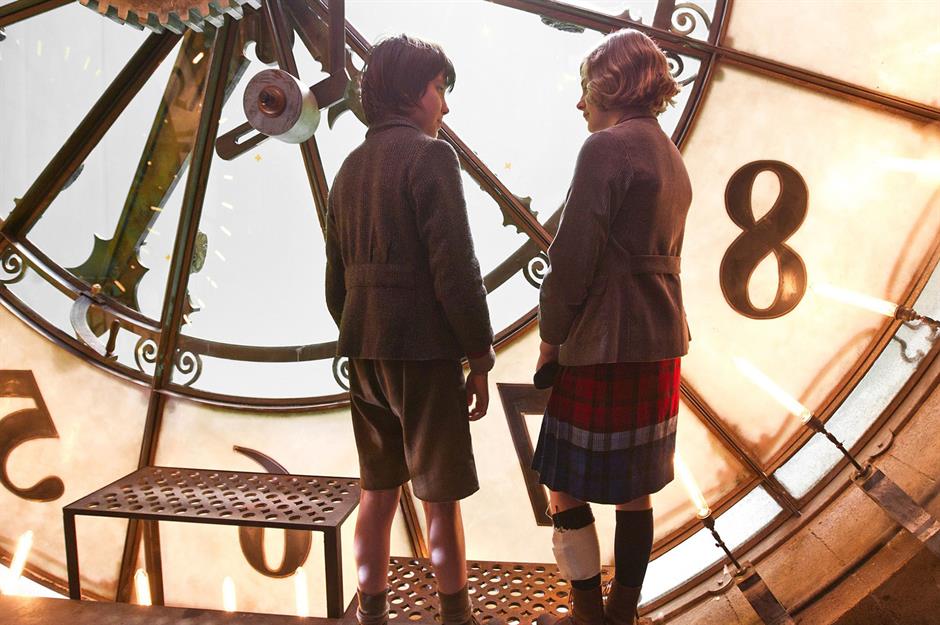
Martin Scorsese's Hugo dominated the 2012 Academy Awards, garnering 11 nominations and winning five gongs. Given this, it's even more surprising that the film was such a resounding flop at the box office.
Paramount Pictures gave the movie a production budget of $156 million, yet it only grossed $185.8 million worldwide. Factoring in its significant marketing and distribution costs, it’s estimated to have lost around $91.5 million, or the equivalent of $132 million (£97m) when adjusted for inflation.
Hugo was another movie that suffered from poor marketing, with confusion surrounding its target audience. The fact it found itself pitted against some tough competition also contributed to its failure. The Muppets and The Twilight Saga: Breaking Dawn – Part 1 were both released on the same weekend.
Jupiter Ascending: lost $133 million (£98m)

Jupiter Ascending, directed by the Wachowskis, grossed $183 million worldwide, despite boasting a production budget of between $176 million and $200 million. As well as boasting acclaimed directors at the helm, the potential for the 2015 space opera shone bright thanks to the star power of Hollywood heavyweights Channing Tatum and Mila Kunis. So why did it fail?
While the film today has a cult fanbase, wider audiences at the time struggled to get on board with its high-concept sci-fi plot. This, alongside lukewarm opening reviews, resulted in moviegoers skipping it in favour of American Sniper and The SpongeBob Movie: Sponge Out Of Water. All in all, it’s estimated the film made a colossal loss of $95.7 million, or $133 million (£98m) in 2026 money.
Sponsored Content
Speed Racer: lost $135 million (£99m)

In 2008, Warner Bros. released Speed Racer, an action-comedy movie based on the anime series of the same name. The film starred Emile Hirsch and Christina Ricci, with both actors already popular thanks to movies such as Into the Wild and The Addams Family. Despite this, the flick grossed just $93.3 million worldwide, significantly less than its production budget of $120 million.
The downfall of Speed Racer was its confusing marketing campaign. The film was for children, yet the promotional activity focused on the fact that it was directed by the Wachowskis, who were famed for helming the Matrix franchise. As a result, many parents assumed the film was for adults and avoided taking their children to see it. All told, this blunder is estimated to have cost the studio $87.8 million, or $135 million (£99m) today.
47 Ronin: lost $136 million (£100m)

Keanu Reeves has fronted several cinematic smashes, including John Wick and the billion-dollar Matrix franchise. He's a big-name, bankable star and a safe bet for studios, yet even he isn't immune to the occasional cinematic flop. Take 2013's 47 Ronin, the Hollywood retelling of the Japanese legend, which earned only $151 million worldwide, despite a budget upwards of $170 million.
Universal's production appears to have been doomed from the outset. Carl Rinsch, a first-time director, reportedly struggled with the sheer size of the project, and the fact that Keanu Reeves was cast to represent a character of Asian heritage left some moviegoers frustrated. Add unfavourable opening reviews to the mix, and it's not surprising that its prospects were grim.
Overall, the film reportedly lost $96.2 million, or $136 million (£100m) in today's money.
Evan Almighty: lost $138 million (£102m)
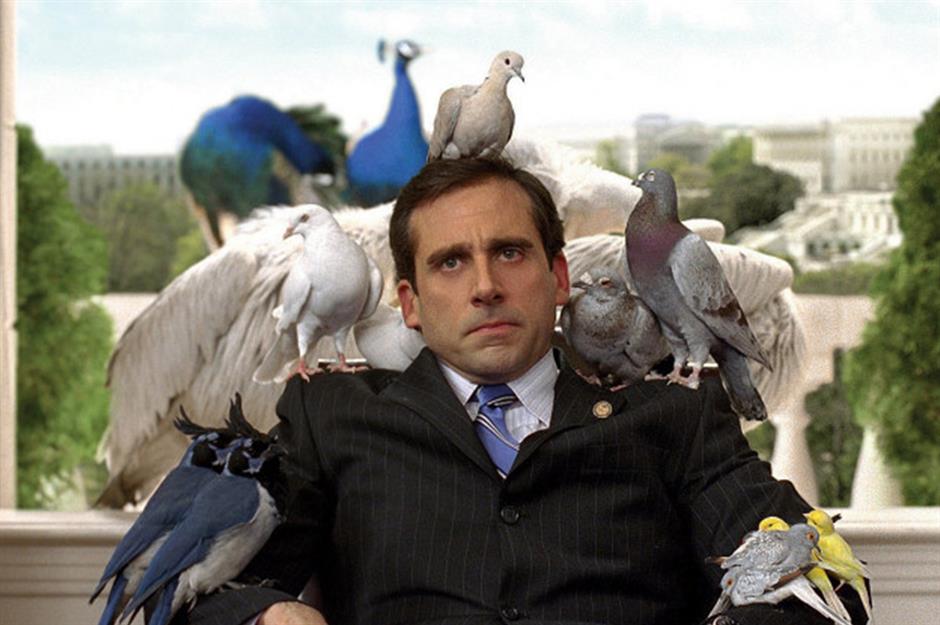
Following the success of Jim Carrey's 2003 comedy flick Bruce Almighty, Universal began work on a sequel. Evan Almighty's production budget was initially set at $140 million but was later increased to $175 million, making it one of the most expensive comedy movies in cinema history.
Despite that, Evan Almighty was a resounding flop at the box office, grossing just $174 million globally, less than its production costs. As Jim Carrey had declined to reprise his role in the film, Steve Carell was cast as the new lead. This was considered a major cause of the movie's failure. At the time, Carell, who is now a household name thanks to The Office, didn't have the star power to front such a big-budget production.
Including marketing costs, 2007's Evan Almighty is estimated to have lost $86.7 million, or $138 million (£102m) in today's money.
Sponsored Content
Lightyear: lost $138 million (£102m)

In 2022, Pixar released Lightyear, a spin-off movie based on the beloved Toy Story franchise. The film earned $226 million at the global box office, technically banking a modest profit of $26.4 million against its production budget. However, factoring in other costs such as marketing, the film suffered a loss of $122 million, equivalent to $138 million (£102m) in today's money.
A major factor in the failure was the decision to replace Tim Allen with Chris Evans as the voice of Buzz Lightyear. The controversial move angered many fans of the film franchise.
Indiana Jones and the Dial of Destiny: lost $143 million (£105m)

Returning for the fifth and final time to play one of his most famous roles, even the star power of Harrison Ford couldn’t stop Indiana Jones and the Dial of Destiny from flopping. Despite receiving more positive reviews than its predecessor, it became the lowest grossing instalment of the series.
A mammoth production budget of $326 million proved too much, with the movie only grossing $384 million worldwide, saddling Disney with a loss of around $143 million (£105m).
Jack The Giant Slayer: lost $147 million (£108m)

Following the success of Universal's Snow White and the Huntsman in 2012, Warner Bros. hoped for some more fairytale magic with its dark retelling of another classic yarn, in this case Jack and the Beanstalk. Starring Nicholas Hoult, 2013’s Jack The Giant Slayer had a mammoth $200 million production budget behind it, yet only grossed $197 million worldwide.
The movie's downfall could be due to a last-minute name change by the studio. Too gory and frightening for younger children, the film was primarily aimed at adults and teenagers. While the initial title was Jack The Giant Killer, the decision was made to swap "killer" for the more family-friendly "slayer", effectively alienating the older audience that Warner Bros. had hoped to attract.
This error reportedly resulted in losses of a whopping $102 million when factoring in its high marketing costs. That's a staggering $147 million (£108m) today.
Sponsored Content
Town & Country: lost $149 million (£110m)
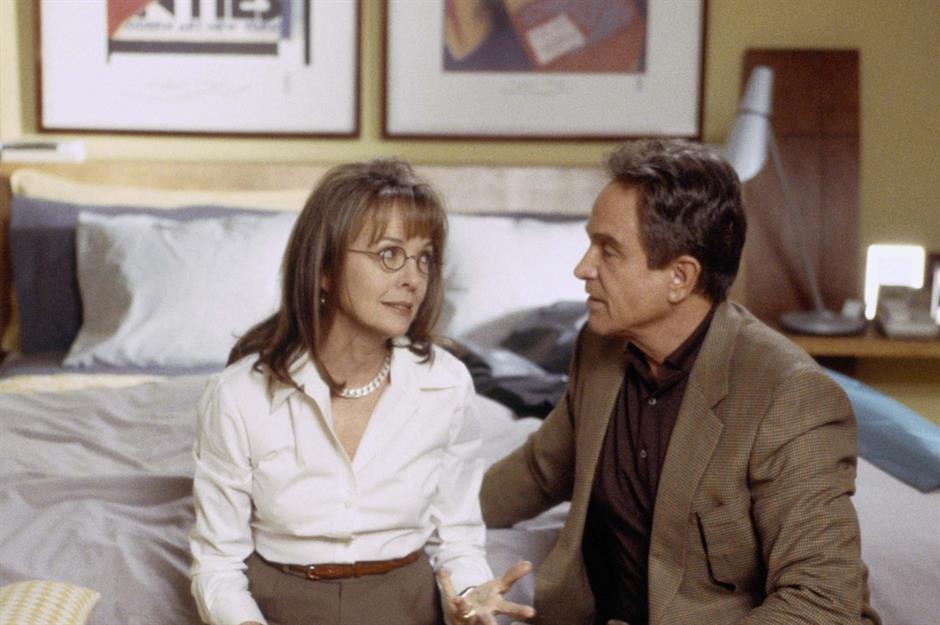
Town & Country reportedly started out with a much more modest budget, but with the addition of star power, including the likes of Diane Keaton, Warren Beatty, and Goldie Hawn, costs soon began to soar. Production delays and numerous script rewrites saw the budget rise further. All in all, it's estimated that the production budget was around $90 million, according to Box Office Mojo. An unfathomable sum when you consider that Town & Country was a rom-com flick with no expensive CGI or set design.
Despite its skyrocketing budget and all-star cast, audiences and critics alike failed to be impressed with Town & Country. The film pulled in a pitiful $10.4 million at the global box office, losing a resounding $79.6 million. That's $149 million (£110m) when adjusted for inflation, considering the film was released in 2001.
Monster Trucks: lost $150 million (£110m)

Monster Trucks was released by Paramount on Boxing Day 2016. With a $125 million production budget and a huge marketing investment, it was hoped the film would attract families with young children. However, it was a monstrous disaster, grossing only $64.5 million worldwide.
Many critics claimed a crucial element in the film's failure was the lack of star power to draw in crowds. The two top-billed actors were Lucas Tiller and Rob Lowe, who seemingly didn't have the recognition required to front such a big-budget project. It's believed that the movie's total losses amounted to a staggering $109 million, or $150 million (£110m) in today's money.
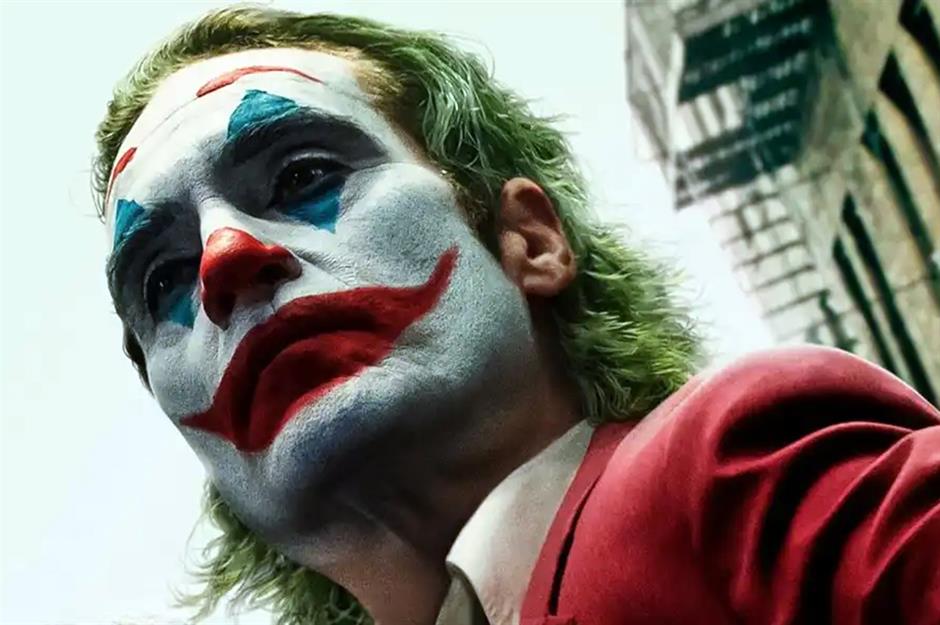
Joker: Folie à Deux: lost $150 million (£110m)

Sequel Joker: Folie à Deux was expected to be a massive box office hit. After all, the first Joker film grossed over $1 billion worldwide, despite having a modest production budget of $65 million. Consequently, the 2024 sequel was handed a much larger budget of $200 million (£147m) with the hope of creating another billion-dollar blockbuster. The movie also came with a huge marketing budget of $100 million (£74m), with a Warner Bros. source telling Variety that the movie needed to gross $375 million (£276m) just to break even.
Alas, Joker: Folie à Deux received a poor critical reception, with its musical format an innovation too far for fans of the original outing. It grossed just $207 million worldwide and reportedly lost more than $150 million (£110m).
Sponsored Content
King Arthur: Legend of the Sword: lost $151 million (£111m)

Warner Bros. was so confident that 2017's King Arthur: Legend of the Sword would be a smash that it gave the film a hefty $175 million production budget, with five sequels planned. However, the box office bomb was the studio's biggest disaster to date, grossing only $148 million globally, meaning an overall reported loss of $112 million. That's a whopping $151 million (£111m) in 2026 money.
The casting of Charlie Hunnam, best known for his role in Sons of Anarchy, as Arthur was blamed for the film's failure. Audiences also didn't like that the plot was a prequel to the classic Arthurian legend, stating they didn't want to wait for a sequel to get to the actual meat of the story. Furthermore, the lack of women in the cast was another point of criticism. Needless to say, Warner Bros. swiftly cancelled those sequel plans.
Deepwater Horizon: lost $154 million (£113m)
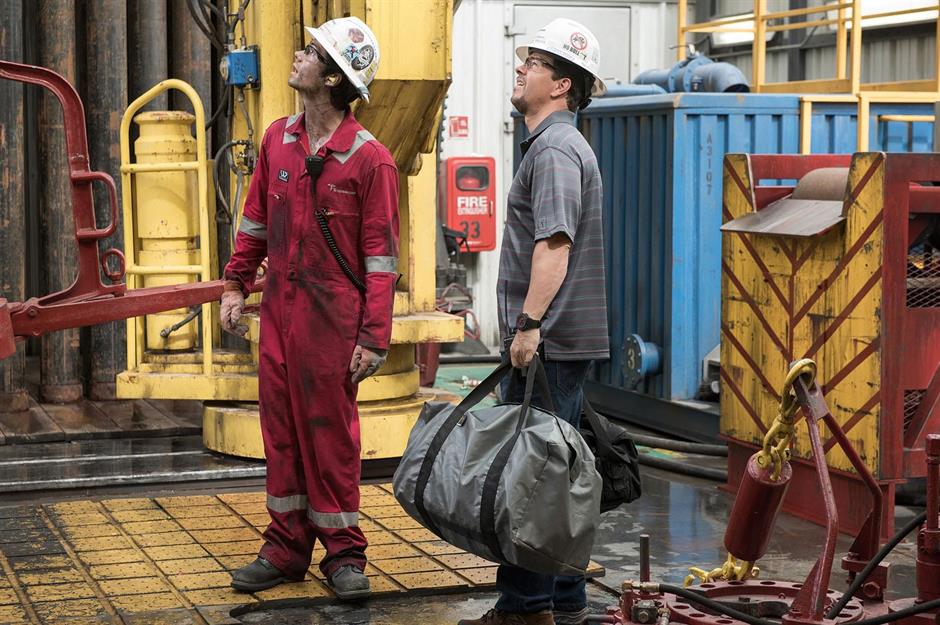
Lionsgate's 2016 movie Deepwater Horizon told the real-life story of the Deepwater Horizon disaster: the drilling rig explosion and resulting oil spill that occurred in the Gulf of Mexico in 2010. Despite positive reviews, two Oscar nominations, and the casting of Hollywood heavyweight Mark Wahlberg in the lead role, the film was a flop. It grossed $121 million worldwide, significantly less than its $156 million production budget.
The film's biggest issue was that it drew in a primarily older audience. On the opening weekend alone, 67% of ticket buyers were over the age of 35. To justify such a large budget, a production needs to appeal to the masses, which Deepwater Horizon clearly didn't. The film is projected to have lost $112 million in total, a staggering $154 million (£113m) in today's money.
How Do You Know: lost $157 million (£116m)

The 2010 romantic comedy How Do You Know featured an all-star cast, including Reese Witherspoon, Owen Wilson, Jack Nicholson, and Paul Rudd. With those names alone, you'd think the movie would be a hit. However, the film made a mere $48.7 million at the worldwide box office, a pittance compared to its $120 million production costs.
Strong competition on its opening weekend from the likes of Black Swan, Tron: Legacy, and The Fighter is considered to be one of the main reasons for the film's failure. This, combined with bad reviews, doomed Sony's big-budget production. With additional costs such as marketing factored in, it’s reported the film lost a painful $104 million. That's an eyewatering $157 million (£116m) in today's money.
Sponsored Content
Moonfall: lost $158 million (£116m)

Sci-fi disaster movie Moonfall was released in February 2022. Despite a blockbuster budget of $150 million and the star power of Hollywood icon Halle Berry, the film grossed just $67.3 million globally.
Factoring in other costs, the ill-fated flick lost a grand total of $140 million, or $158 million (£116m) today. Stiff competition at the box office and a slew of negative reviews from critics were cited as reasons the big-budget bonanza flopped.
The Matrix Resurrections: lost $162 million (£119m)
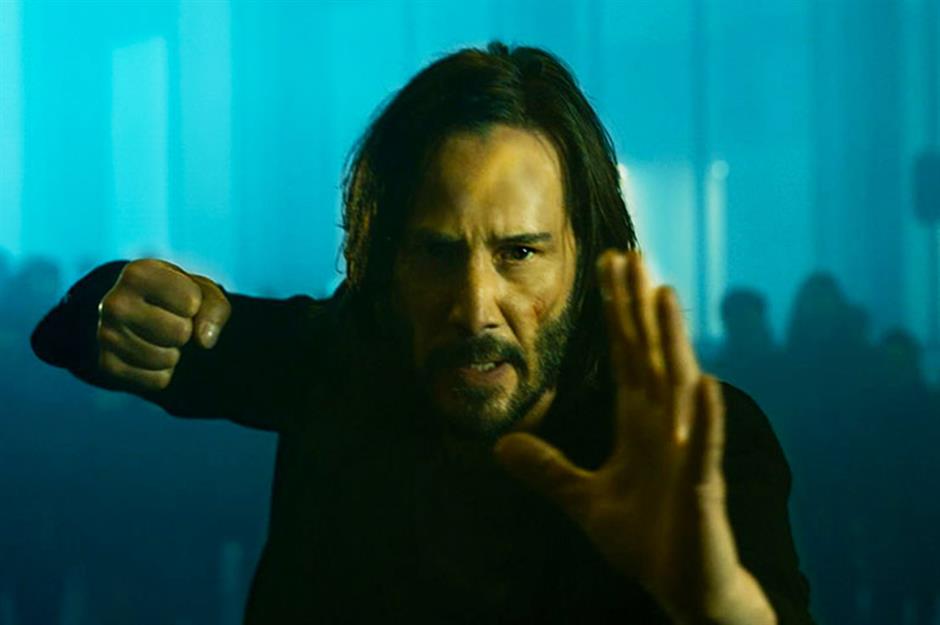
The Matrix Resurrections had a blockbuster budget of $190 million. Despite this, the fourth instalment of the mindbending franchise banked just $157 million at the worldwide box office, or $32.7 million less than its production costs.
Overall, the 2021 movie lost $133 million, or $162 million (£119m) when adjusted for inflation. Its hybrid release in cinemas and on streaming platform HBO Max was partly blamed for the epic failure.
John Carter: lost $163 million (£120m)
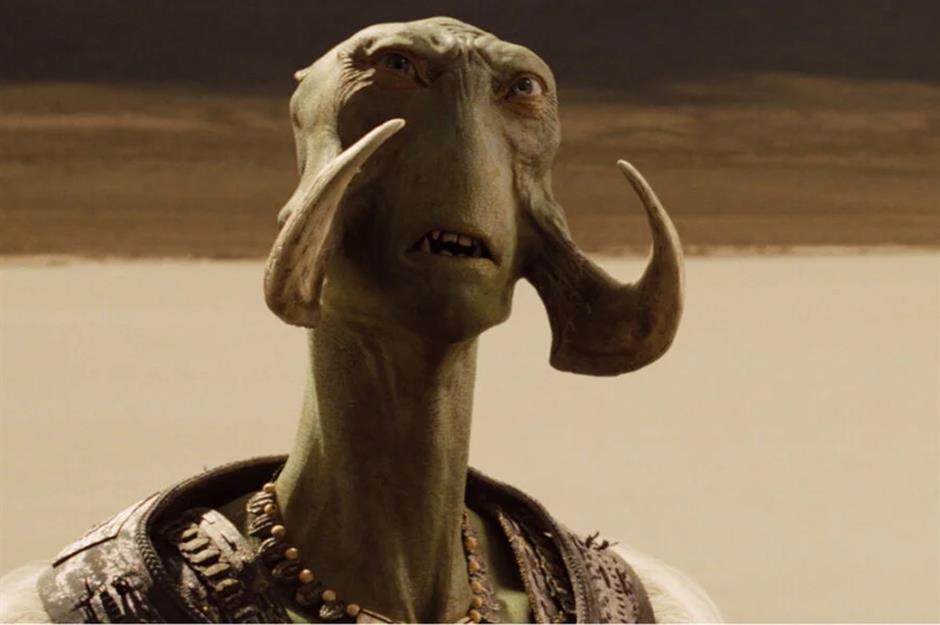
It’s reported that Walt Disney Pictures gave 2012's John Carter a whopping budget of $306 million, confident that the sword-and-sandal space saga would be a hit. However, audiences struggled to get on board with the movie's wacky premise. It made just $284 million worldwide, resulting in a total loss of $113 million, or $163 million (£120m) in 2026 money.
The film's huge budget might well have doomed John Carter from the outset. Disney had originally intended for the movie to be a trilogy, but the plans were quickly scrapped.
Sponsored Content
Strange World: lost $166 million (£122m)
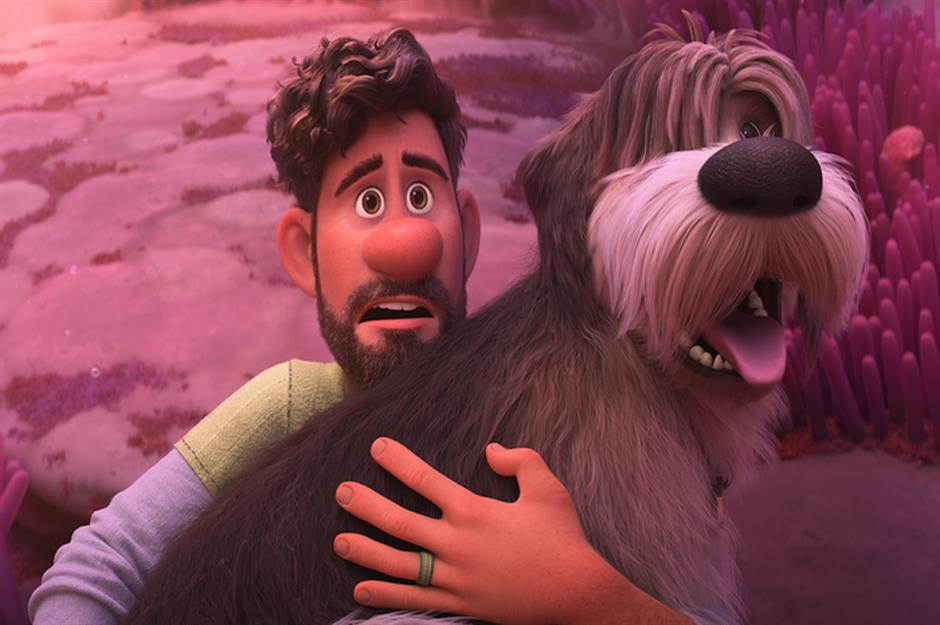
Disney's family-friendly feature, Strange World, was released in November 2022. Never heard of the movie? You're not alone. A lack of promotion was blamed for the failure, with some moviegoers taking to Twitter to complain that Disney did nothing to market the movie.
The animated adventure flick had an estimated production budget of between $135 million and $180 million but pulled in just $70 million globally. When factoring in other costs like marketing and distribution, Deadline estimates the movie lost a painful $147 million, or $166 million (£122m) in today's money.
It's not all bad news though. When it premiered on Disney+, Strange World became the number one movie on the streaming platform.
The Adventures of Pluto Nash: lost $171 million (£126m)
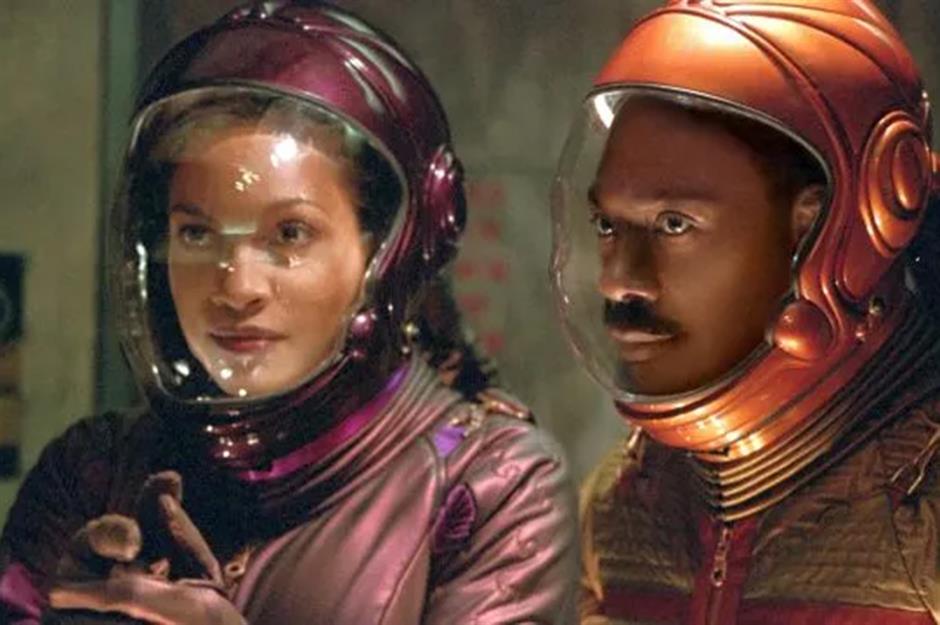
Eddie Murphy was the king of comedy in the 1990s and early 2000s. Even he had his share of box office disasters though. Murphy's worst flop to date is undoubtedly 2002’s wacky space comedy The Adventures of Pluto Nash. Despite numerous script rewrites over the course of a 20-year period, and a gigantic budget of $100 million, the film was a resounding dud.
According to Box Office Mojo, it only made $7.1 million worldwide, losing a shocking $92.9 million at the box office. When adjusted for inflation, that comes to $171 million (£126m). Murphy even slammed the movie himself, saying wryly in an interview: "I know two or three people that liked this movie."
Turning Red: lost $190 million (£140m)
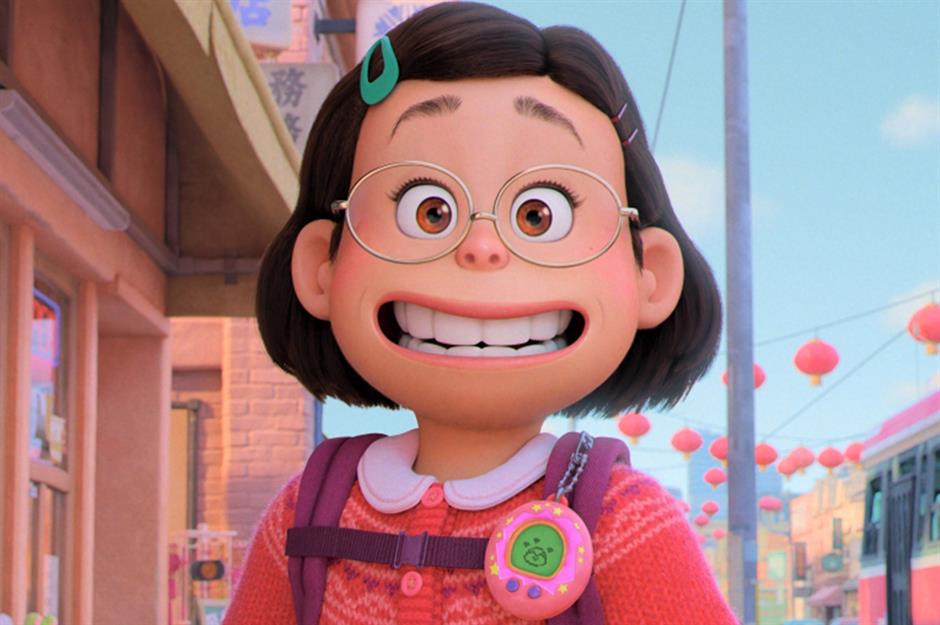
Disney's animated movie Turning Red was released in March 2022. Despite a mammoth budget of $175 million, the family-friendly flick pulled in a pitiful $20.1 million at the box office, or $154 million less than its production costs.
Though the film premiered to positive reviews on streaming platform Disney+, the studio made the odd decision to only release it theatrically in selected countries, contributing to its lack of financial success. Factoring in other costs such as marketing, the film lost $168 million in total. In today's money? A painful $190 million (£140m).
Sponsored Content
Cutthroat Island: lost $191 million (£141m)
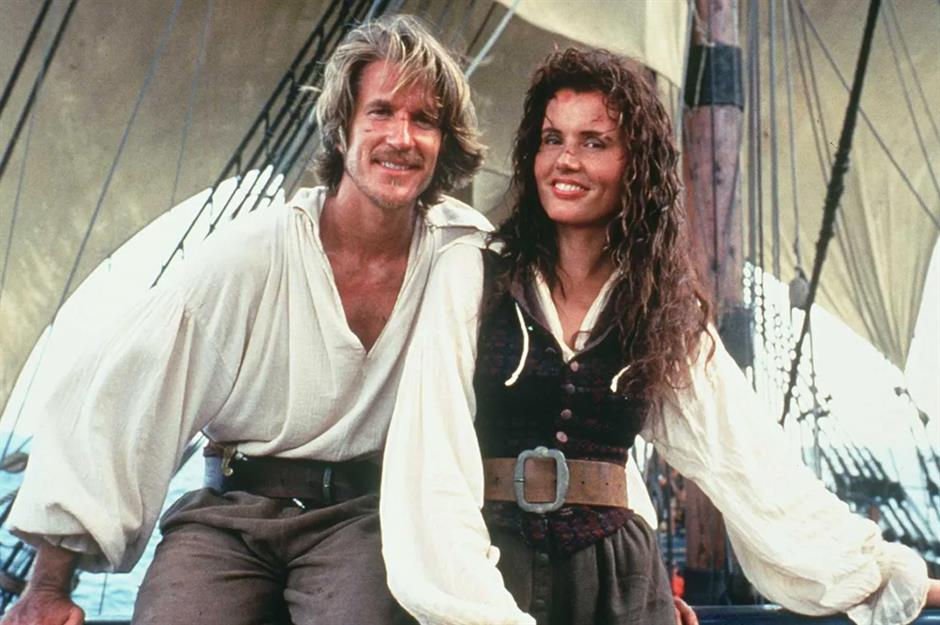
A pirate adventure movie, 1995's Cutthroat Island was such a resounding flop that the production studio behind the flick, Carolco Pictures, had to file for bankruptcy. The film immediately got off to a bad start when Hollywood legend Michael Douglas pulled out of his starring role. Then, expensive script rewrites and set building caused the budget to soar to $98 million, according to Box Office Mojo.
Slammed by audiences and critics alike, the ill-fated nautical film pulled in just $10 million at the global box office, losing a hefty $88 million. That's a jaw-dropping $191 million (£141m) in today's money.
Titan A.E.: lost $192 million (£141m)
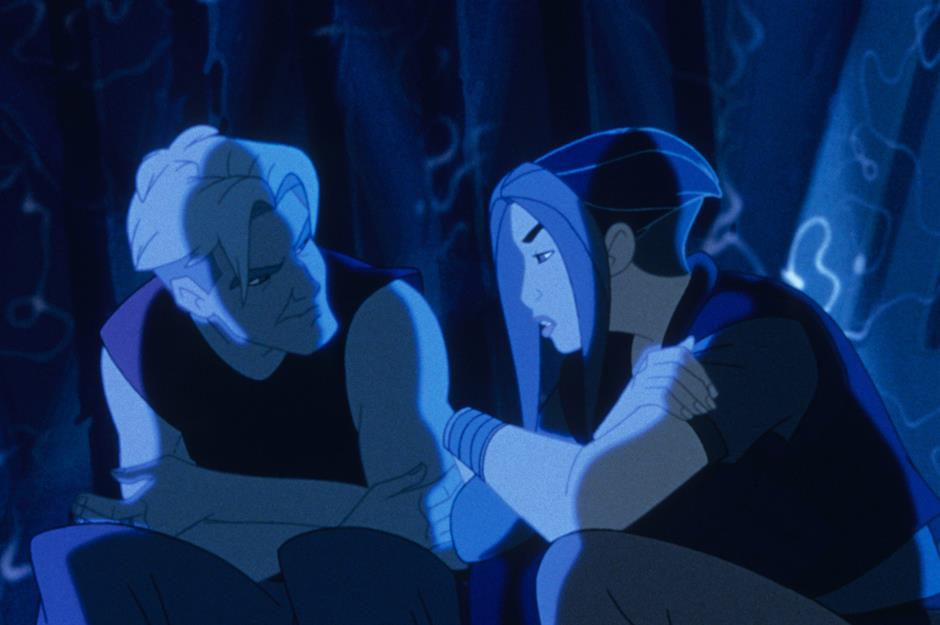
This 2000 animated feature blended traditional 2D animation with innovative (for the time) 3D CGI. It also boasted a stellar cast including Matt Damon and Drew Barrymore. But this story of a young man on a mission to save the human race didn’t impress audiences. It grossed just $37 million globally.
Given its production budget of up to $90 million and extensive marketing costs, the movie lost 20th Century Fox at least $100 million, the equivalent of $192 million (£141m) today.
The Flash: lost $200 million (£147m)
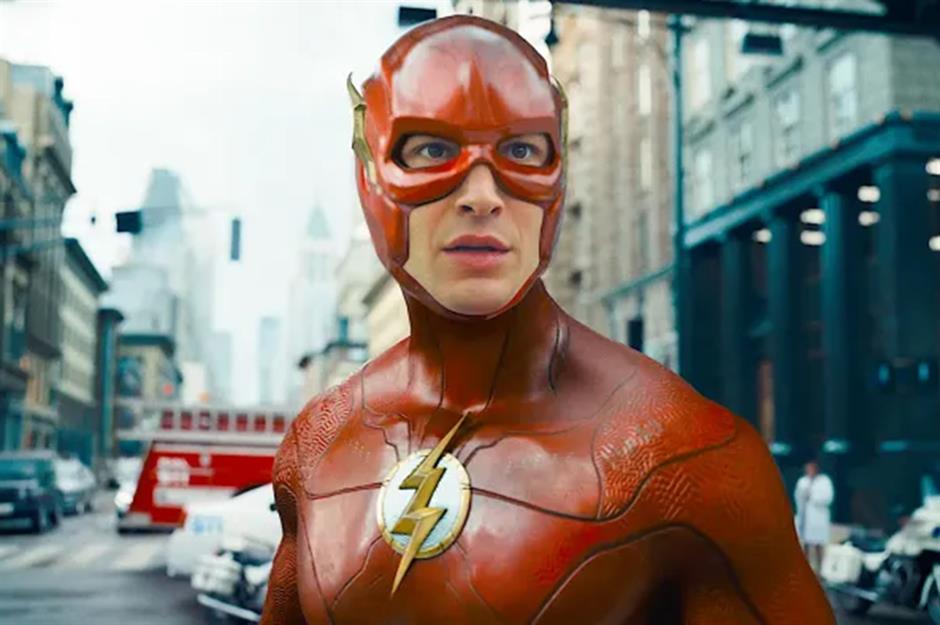
DC's The Flash, released in 2023, boasted a production budget of $220 million and marketing costs of $150 million, with additional expenses such as distribution likely pushing the budget even higher. Despite these significant investments, the film only managed to pull in $271 million at the box office.
Controversies surrounding the conduct of its leading star Ezra Miller plagued the film before its release. Additionally, it opened to sub-par reviews, cementing its status as a box office bomb.
Warner Bros. is estimated to have suffered a loss of around $200 million (£147m) due to the film's failure.
Sponsored Content
Mars Needs Moms: lost $210 million (£155m)

Mars Needs Moms made a pitiful $39.2 million at the global box office in 2011, a staggering $110 million less than its $150 million production budget.
The motion-capture animation turned off audiences before it even hit cinemas, with some calling the sci-fi movie's premise "creepy". It's also been suggested that the word "moms" in the title may have deterred boys from going to watch it. In total, the film lost a reported $143 million, a whopping $210 million (£155m) in today's money.
Battleship: lost $216 million (£159m)

A big-budget action movie based on a board game? What could possibly go wrong? As it happens, quite a lot. The 2012 team-up between Universal Pictures and Hasbro saw musician of the moment Rihanna make her big-screen debut in this high-seas alien invasion spectacular.
Boasting a production budget of around $220 million, the movie only managed to gross $303 million worldwide, racking up a total loss of $150 million, or $216 million (£159m) in today’s money. The movie was savaged by critics, with one suggesting the board game source material was much more fun.
Sinbad: Legend Of The Seven Seas: lost $224 million (£165m)
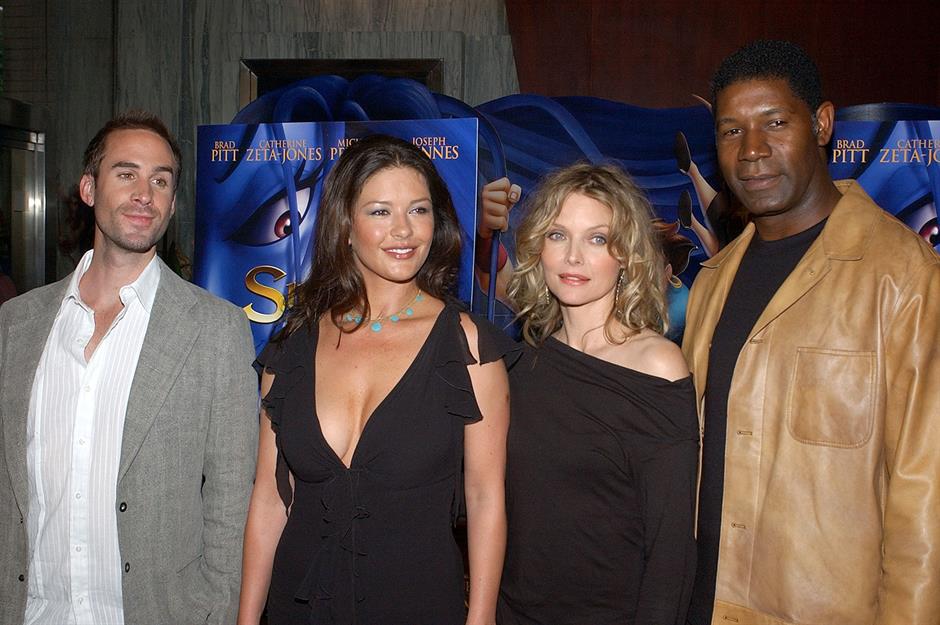
This 2003 animated spectacular from DreamWorks boasted a stellar cast including Brad Pitt, Catherine Zeta-Jones and Michelle Pfeiffer. The film has a production budget of $60 million but grossed just $80 million worldwide. All in, the studio took a hit of around $125 million, or $224 million (£165m) in today’s money.
Critics praised the beautifully crafted hand-drawn animation, but this had been a huge part of its cost. The movie almost bankrupted DreamWorks, and it’s been suggested that it changed the film industry forever, prompting studios to switch to more cost-effective CGI.
Sponsored Content
Mortal Engines: lost $230 million (£170m)

Based on a bestselling young adult sci-fi novel, Mortal Engines was ambitious in scope and execution. Set in a post-apocalyptic steampunk world where cities have been turned into huge vehicles that consume each other, it cost up to $150 million to produce.
The movie premiered in 2018 to mixed reviews and grossed only $84 million worldwide. Factor in an extravagant promotional budget, and the film is believed to have lost Sony somewhere in the region of $175 million, or $230 million (£170m) when adjusted for inflation.
The Marvels: lost $237 million (£175m)

Superhero movie The Marvels hit the silver screen in 2023, starring Brie Larson as Captain Marvel. Given that 2019's Captain Marvel grossed over $1 billion globally, the studio felt confident that The Marvels would be a success. Consequently, it had an estimated production budget of $220 million.
Alas, the film was an epic flop, grossing just $206 million globally. Marvel's increasingly formulaic approach to filmmaking was largely cited as the reason the movie failed. When factoring in additional costs such as marketing, it’s believed The Marvels lost an eye-watering $237 million (£175m).
The 13th Warrior: lost $258 million (£190m)
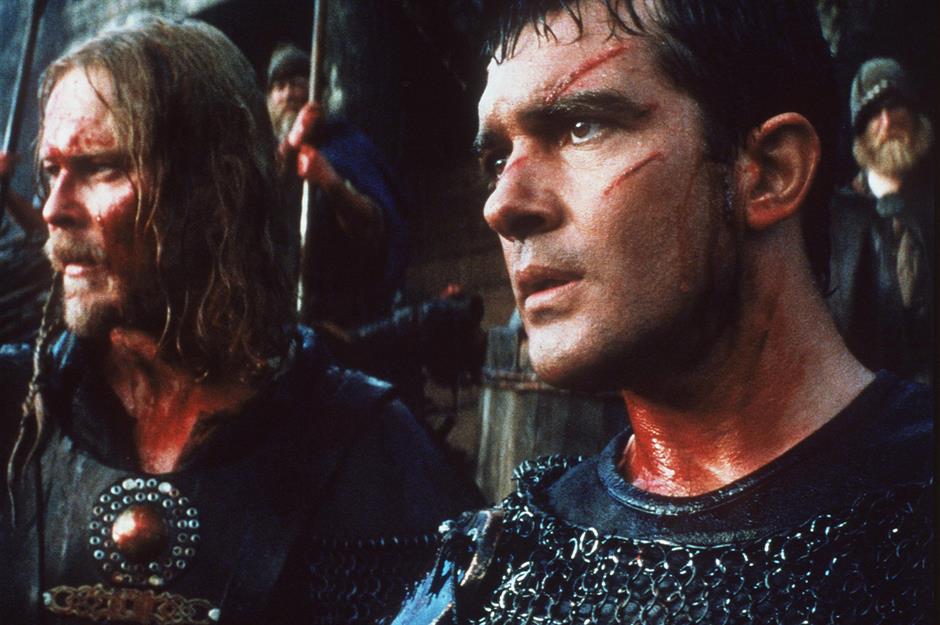
Based on a bestselling novel by Michael Crichton, 1999’s The 13th Warrior brought star power in the form of Antonio Banderas and Omar Sharif. The movie had a troubled production, with several re-edits pushing an initial budget of $85 million past $100 million. Factoring in promotional costs, the total spent on the film was rumoured to be upwards of $160 million.
The film debuted on the same weekend as The Sixth Sense, and there was only one winner as far as audiences were concerned. The film grossed $61 million worldwide and is thought to have lost around $130 million, the equivalent of $258 million (£190m) in today’s money.
Sponsored Content
The Call of the Wild: lost $110 million (£81m)

First up, we have The Call of the Wild, based on the 1903 Jack London novel of the same name. Starring Hollywood heavyweight Harrison Ford, the film follows the adventures of a dog named Buck. Confident it would be a big hit, Disney gave the project a budget estimated to be somewhere between $125 million and $150 million.
Though the CGI was criticised, the movie opened to positive reviews. Given the film's February 2020 release date, it appears the pandemic was the biggest factor behind its lack of success at the box office. The Call of the Wild grossed $111 million worldwide. Factoring in marketing costs, it's estimated that Disney lost $86.1 million, or $110 million (£81m) when adjusted for inflation.
Chaos Walking: lost $136 million (£100m)

Tom Holland’s Spider-Man: No Way Home may have broken pandemic-era box office records in 2021, but it followed a major flop earlier in the year in the form of sci-fi adventure saga Chaos Walking. Lionsgate, hoping to replicate the success of The Hunger Games, snapped up the rights to the critically acclaimed young adult book trilogy of the same name, written by Patrick Ness.
Despite the combined star power of Holland and Star Wars alum Daisy Ridley and a production budget estimated to be around $125 million, the project was doomed from the get-go. In fact, at an early 2018 screening, the movie was described as "unreleasable" and had to go through timely and expensive reshoots. This wasn't enough to save it, and Chaos Walking grossed a painful $26.5 million at the box office.
Factoring in additional costs, it’s believed the film lost a staggering $112 million. That's $136 million (£100m) in today's money, but the pandemic is a large factor in its failure at the box office.
The Suicide Squad: lost $146 million (£108m)

Yet another movie to fall victim to the COVID-19 pandemic was The Suicide Squad. DC's anti-hero flick had a gigantic budget of $185 million but pulled in just $168 million at the worldwide box office.
Factoring in costs such as distribution and marketing, the film lost $120 million, or around $146 million (£108m) when adjusted for inflation. Besides the pandemic, a simultaneous release in cinemas and on streaming platform HBO Max was cited as a factor in its failure.
Sponsored Content
Onward: lost $172 million (£127m)
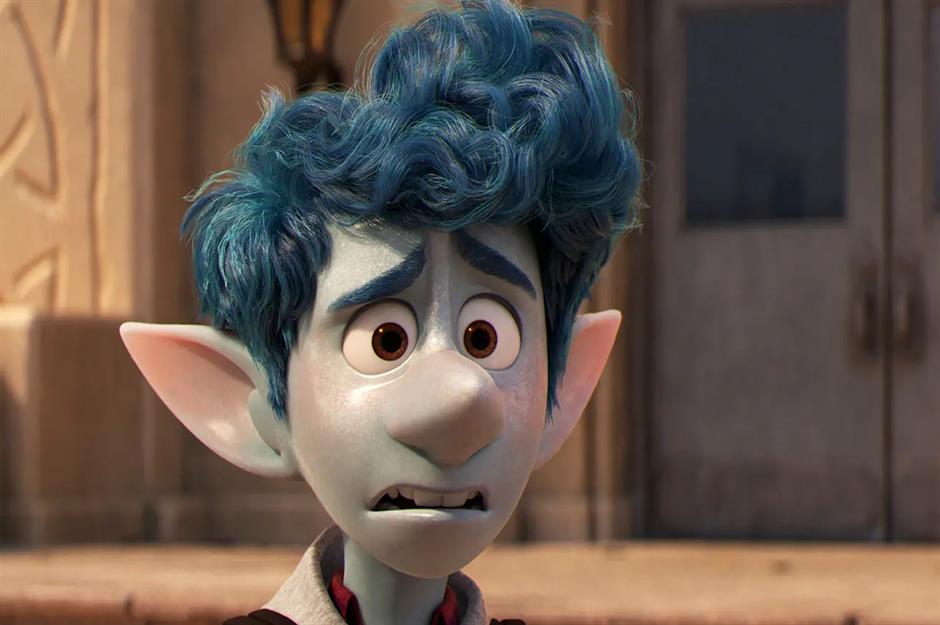
Pixar's animated feature Onward boasted the (voice) star power of two Marvel superstars: Tom Holland from Spider-Man and Chris Pratt from Guardians of the Galaxy. Despite opening to positive reviews, the movie was Pixar's biggest failure to date, grossing just $141 million worldwide, despite production costs of $200 million.
With a March 2020 release, Onward appears to be yet another victim of the pandemic. After factoring in promotional costs, the production is estimated to have lost $135 million, or a huge $172 million (£127m) today. However, it gained a whole new audience when it came to Disney's streaming service Disney+, although it's impossible to say what that subscription audience was worth.
Wonder Woman 1984: lost $181 million (£133m)

Due to the pandemic, Wonder Woman 1984's release was pushed back several times from its original June 2020 date. When it was finally released on Christmas Day 2020, the movie used a then-unusual tactic, hitting cinemas and the HBO Max streaming platform at the same time. Technically, DC's superhero saga was a box office flop, grossing just $166 million against a budget of $200 million. When promotional costs are factored in, Wonder Woman 1984 lost $142 million at the box office, or $181 million (£133m) in today's money.
While monetary values for streams are unknown, it’s safe to say the movie was a streaming success. HBO Max gained an impressive 17.2 million subscribers in the fourth quarter of 2020, largely credited to Wonder Woman 1984. The movie was watched 14.9 million times on the platform.
Jungle Cruise: lost $183 million (£135m)

Disney’s Jungle Cruise, starring Dwayne Johnson and Emily Blunt, had a huge budget of $200 million. The 2021 adventure movie grossed $220 million at the global box office, technically making a small profit of $20 million.
However, when you factor in other costs such as marketing and distribution, the film actually lost $150 million, or $183 million (£135m) in today's money. Underwhelming reviews and the COVID-19 pandemic were blamed for the failure.
Sponsored Content
Mulan: lost $186 million (£137m)

A major flop for Disney, 2020’s Mulan made just $70 million at the worldwide box office, an astonishing $130 million less than its $200 million production budget. It reportedly lost $146 million in total, or $186 million (£137m) in 2026 money. The live-action reboot formula had previously worked well for the likes of Cinderella and Beauty and the Beast, so why was Mulan such a failure?
The film was dogged by controversy, with American audiences missing songs and characters that had been cut to cater to a Chinese audience. Equally, Chinese viewers felt disconnected from the film due to a distinct lack of diversity in the production team.
Despite these controversies, Mulan was a streaming success, with insights from 7Data suggesting that around 8.7 million subscribers in the US alone paid to download it via Disney+. With this in mind, it looks like the biggest reason the film failed to claw back its investment at cinemas was its March 2020 release date.
Now discover the highest-grossing Disney movies of all time