Secrets hiding in these famous logos
Messages in a logo
Messages in a logo
Starbucks
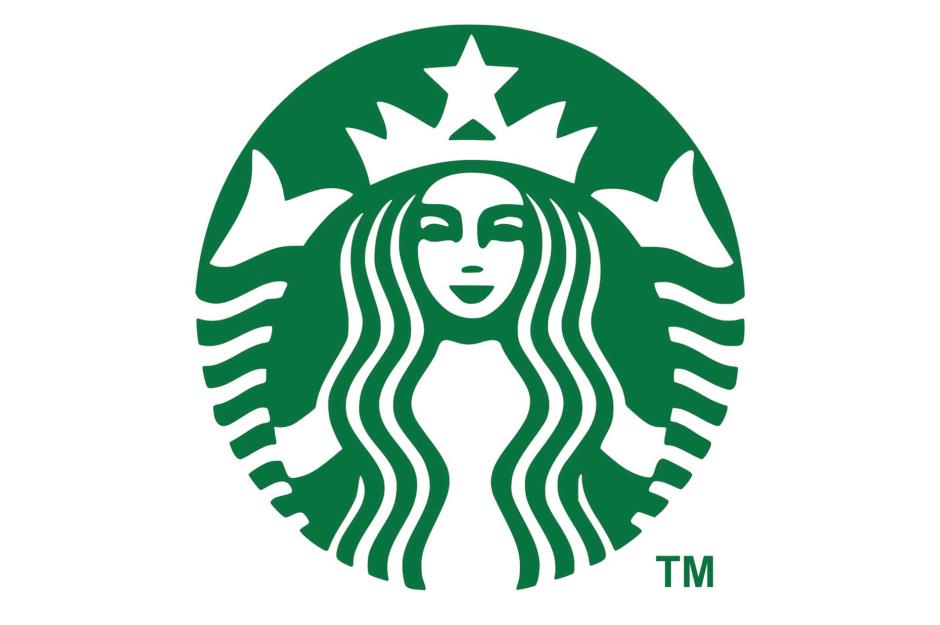
Ever wondered while you were ordering your chai latte why on earth Starbucks chose a mermaid for its logo? The founders named the company after a character in the nautical novel Moby-Dick and, keen to push the seafaring theme, opted for a two-tailed siren design based on a 16th-century Norse woodcut.
Sponsored Content
Apple
Dell
Cisco Systems
Sponsored Content
Beats by Dre
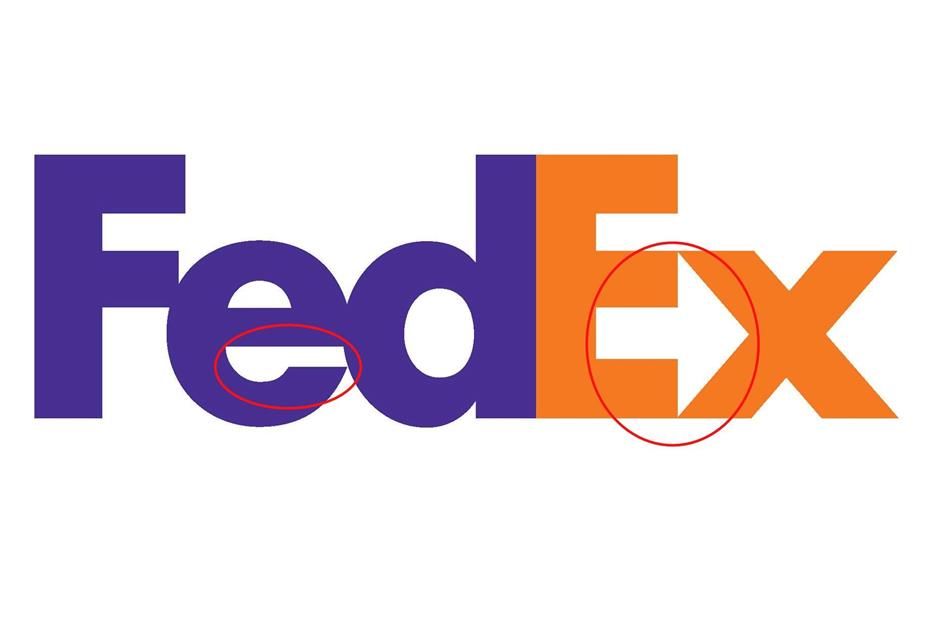
FedEx
Toyota
Sponsored Content
Amazon

Unilever
The CIA

Sponsored Content
Wikipedia

Yamaha
Baskin Robbins
Sponsored Content
Sony Vaio

Porsche
Asus

You may think that the Taiwanese computer company's logo is simply a good use of futuristic Star Wars-like typography. But the firm had something very specific in mind when it created the lettering. The logo is meant to be shaped like Pegasus, the winged horse from Greek mythology that symbolizes wisdom. Yes, really.
Sponsored Content
Lacoste
Pepsi
Alfa Romeo
Sponsored Content
Burberry
Toblerone
Hermès
Sponsored Content
Lamborghini
Audi
FC Barcelona
Sponsored Content
Picasa

Le Tour de France
Pittsburgh Zoo

The logo for the Pittsburgh Zoo & PPG Aquarium shows off a similar design technique. Again, if you look at the tree design for longer than a couple of seconds, you'll notice a gorilla, a lion and a shoal of fish in the white space.
Sponsored Content
Barclays
The venerable bank's 'spread eagle' emblem dates from the late 17th century when John Freame, one of the forefathers of the institution, hung a sign outside his business in London's Lombard Street depicting the bird of prey, which symbolizes strength and far-sightedness. In those days most people were illiterate, so pictures were often used on signs instead of text.
Cologne Zoo
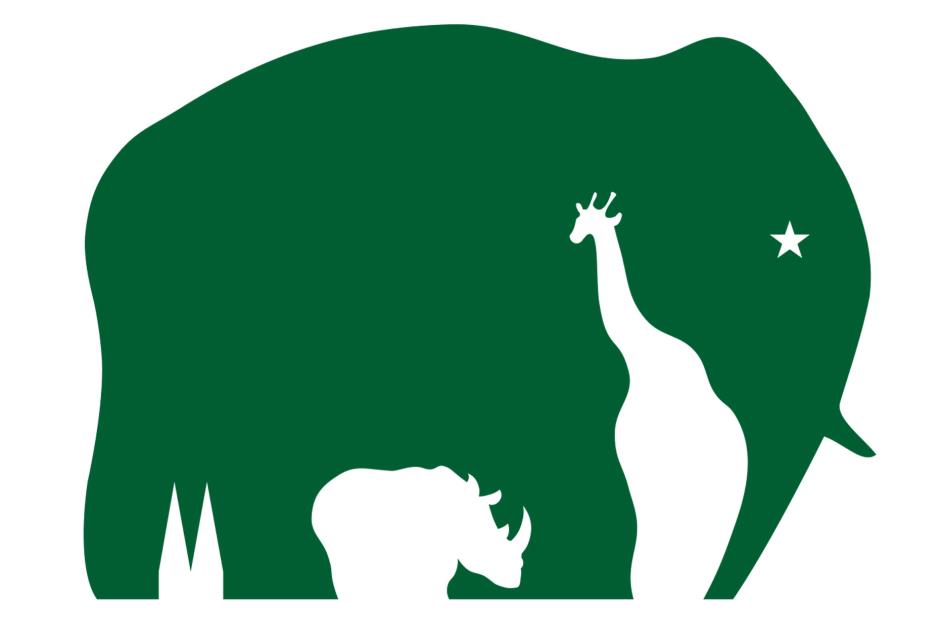
From a distance, this German zoo's logo resembles an elephant and nothing else. But if you look closer at the design, you can easily pick out a giraffe, rhinoceros and star in the negative space, as well as two triangular shapes that symbolize the twin spires of nearby Cologne Cathedral.
Comments
Be the first to comment
Do you want to comment on this article? You need to be signed in for this feature