Tourist attractions that are gone forever
Lost wonders of the world
Wawoma Tree, Yosemite National Park, California, USA
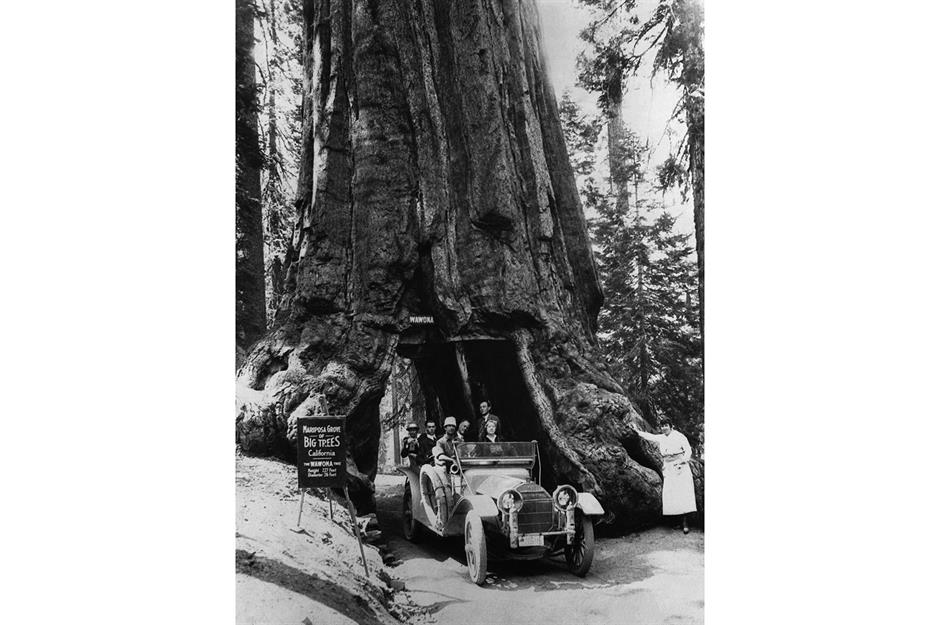
Back in 1881 a tunnel was carved through this 2,100-year old sequoia tree in Mariposa Grove, Yosemite National Park. By the late 1910s (when it’s likely this photograph was taken) the tree was popular with tourists, keen to be pictured driving right through this 234-foot (71.3m) tall beauty. Even President Theodore Roosevelt visited in 1903.
Wawoma Tree, Yosemite National Park, California, USA
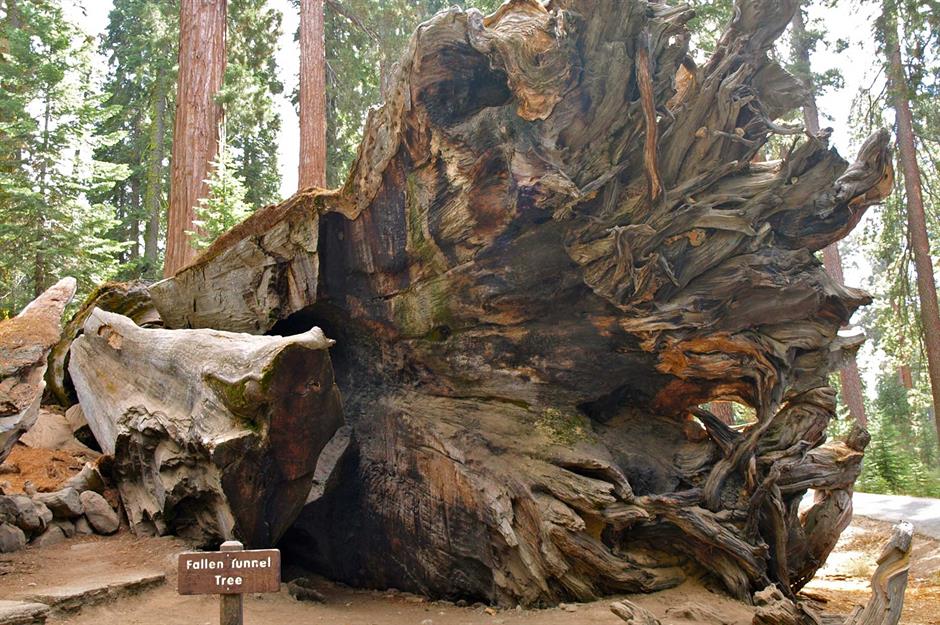
But during the harsh winter of 1969, the tree toppled to the ground. The weather that year brought heavy snow, which weighed down the tree and dampened the soil. However, it’s also likely the tunnel itself was a factor in the weakening of the tree. While a remaining carved tree in Tuolumne County, California, still exists, no new tree tunnels have been cut in recent times to preserve these wonders of Mother Nature.
Love this? Follow our Facebook page for more travel inspiration
Sponsored Content
The Azure Window, Gozo, Malta
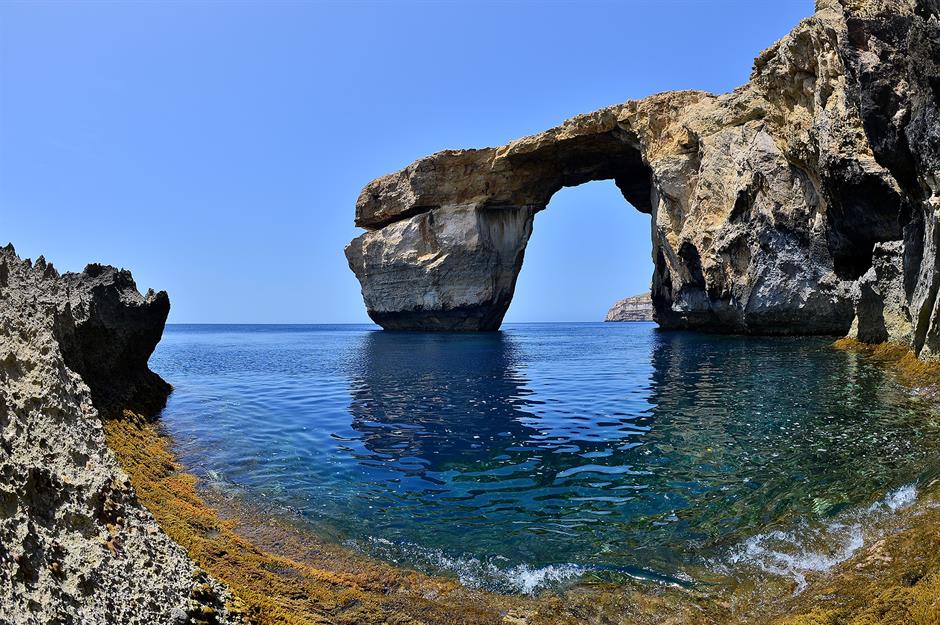
You might recognize this stunning natural formation – it’s been featured in Game of Thrones, The Count of Monte Cristo and Clash of the Titans, as well as on many an Instagram feed. The arch was formed by the collapse of a coastal cave, probably in the 19th century, and was a popular spot for photographs.
The Azure Window, Gozo, Malta
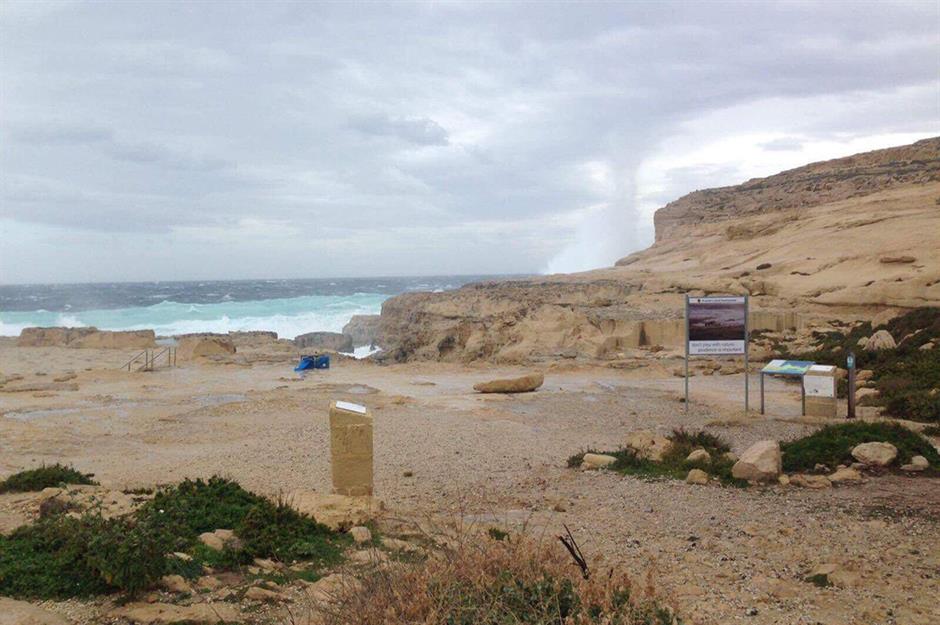
When heavy storms hit the Maltese archipelago in March 2017, the world was devastated by the announcement that the recognizable arch had collapsed. However, it wasn’t all bad news, as the fallen rock formation has now added to the intrigue underwater, attracting scuba-diving enthusiasts to the area.
Buddhas of Bamiyan, Bamiyan, Afghanistan
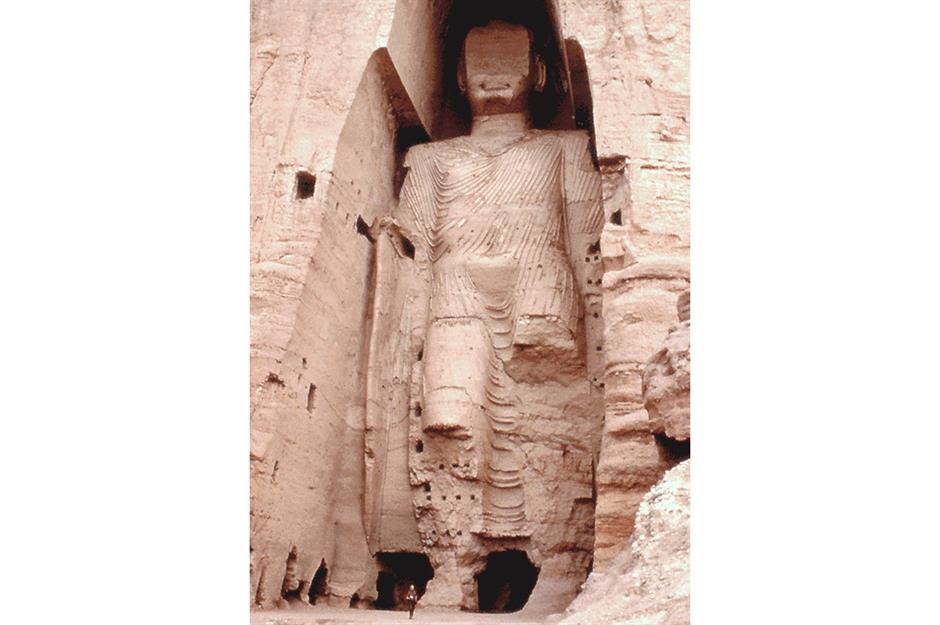
Two mammoth Buddha statues – the tallest in the world, in fact – once looked out from a sandstone cliffside in Afghanistan’s Bamiyan Valley. They were carved in the 6th century, with the tallest topping out at 180 feet (55m). But in 2001, these Buddhist effigies were destroyed by the Taliban.
Sponsored Content
Buddhas of Bamiyan, Bamiyan, Afghanistan
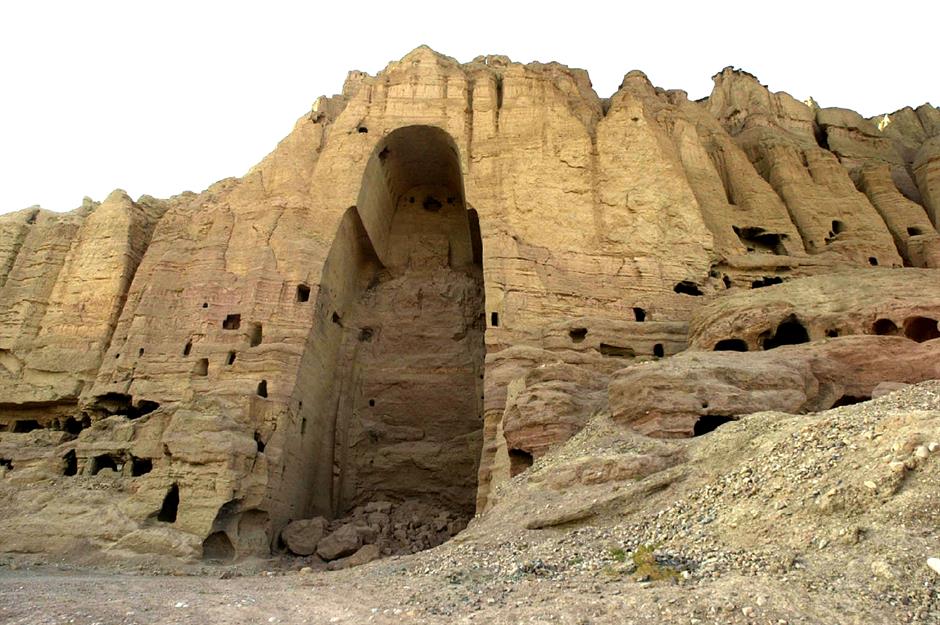
Today, all that remains of the statues are two empty alcoves, serving as a haunting reminder of what they once contained. The valley was designated a UNESCO World Heritage Site in 2003, and in the years since the buddhas’ destruction, there has been much debate about whether or not to rebuild them. So far, the closest the monuments have come to being resurrected is a hologram projected in the spaces they once stood.
Duckbill Rock Formation, Oregon, USA
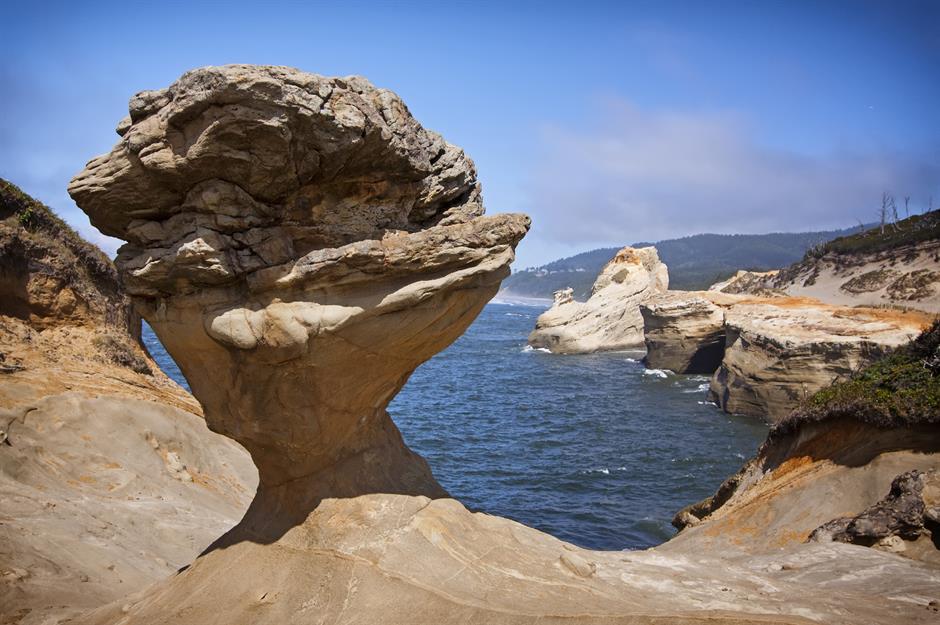
Named (you guessed it) for its likeness to a duck’s bill, this rock formation once drew camera-wielding tourists to Oregon’s Cape Kiwanda State Natural Area. The sandstone hoodoo stood around seven-foot (2m) tall and, carved out over millennia, had most likely occupied its coastal spot for millions of years.
Duckbill Rock Formation, Oregon, USA
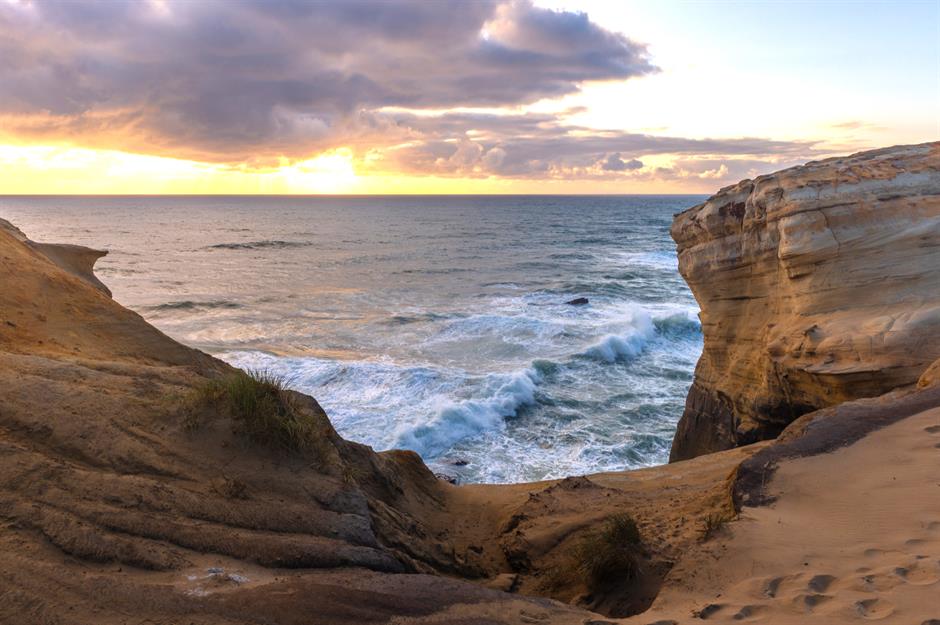
Yet in August 2016 the monument suddenly disappeared. Then a shocking video emerged, showing vandals pushing it until it crumbled and collapsed. Now, although the famous formation is gone, Cape Kiwanda still pulls in visitors with its sweeping views of the Pacific, and its opportunities for hiking and hang gliding.
Check out these incredible American tourist attractions that no longer exist
Sponsored Content
Sutro Baths, San Francisco, USA
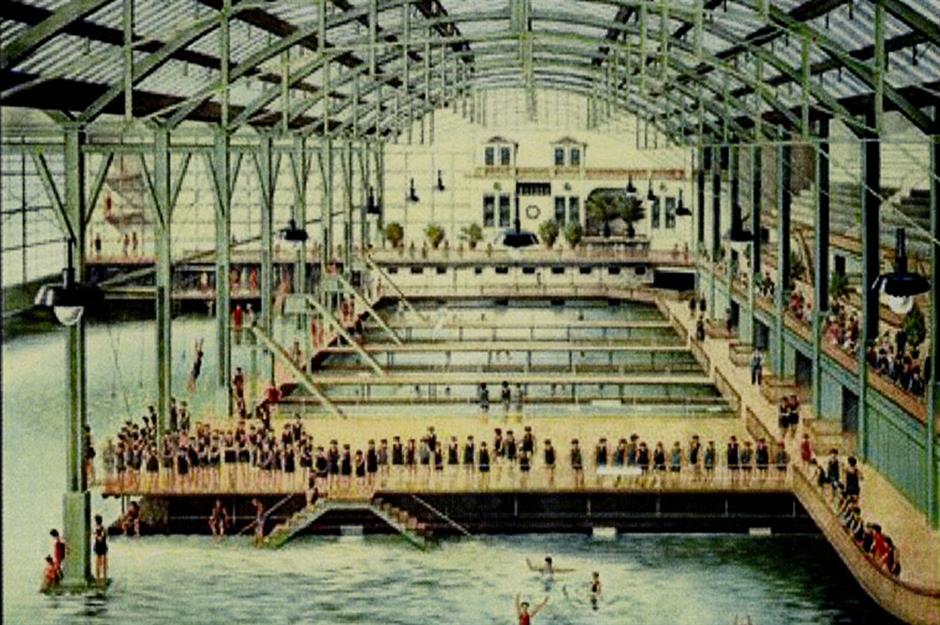
Sutro Baths, San Francisco, USA
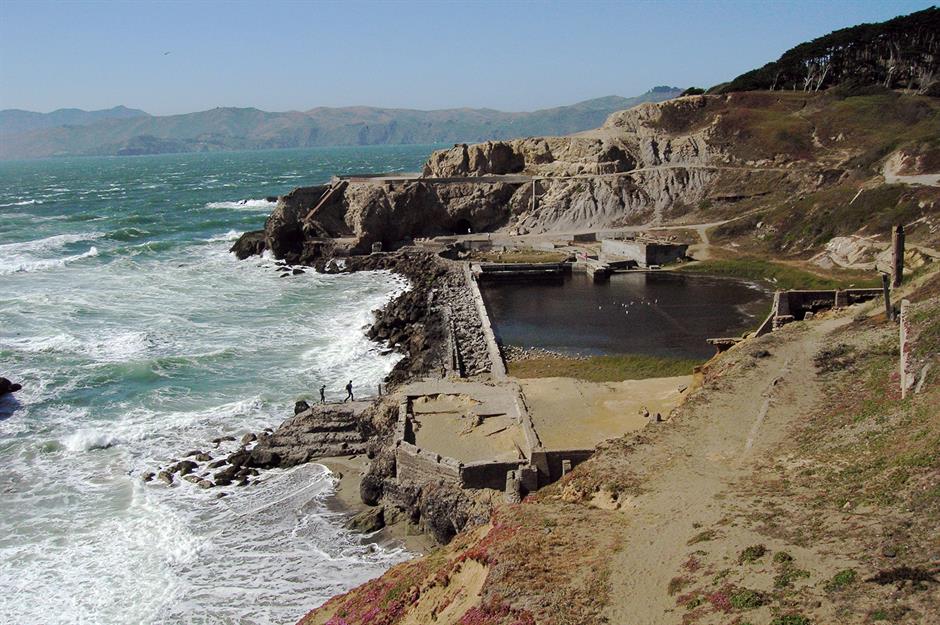
After struggling financially for many years, in 1964 the site was bought by developers who began to demolish it, then the remainder of the building was destroyed by a fire in 1966. Now, just the foundations remain as a reminder of the Victorian attraction, with the cliffside setting making the site a popular spot for walkers.
Crystal Palace, London, UK
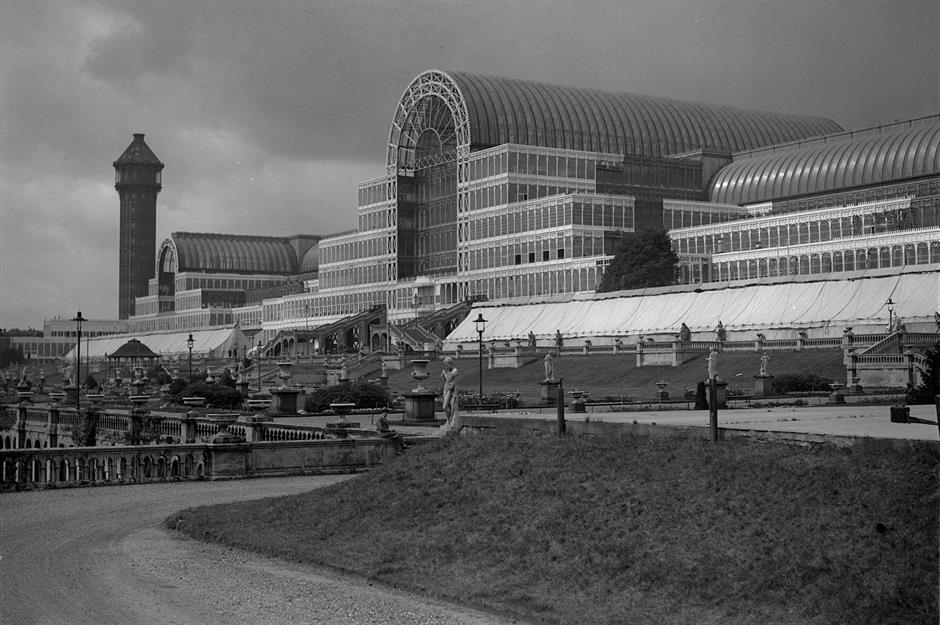
Once a Victorian masterpiece, this impressive glass and steel structure was built in 1851 in London’s Hyde Park. It was later moved to Penge Place, in the south of the capital, where it remained for 82 years. In the palace's heyday, its grounds were home to a mind-boggling array of delights: a roller coaster, festivals, cricket matches and even a garden complete with model dinosaurs.
Sponsored Content
Crystal Palace, London, UK
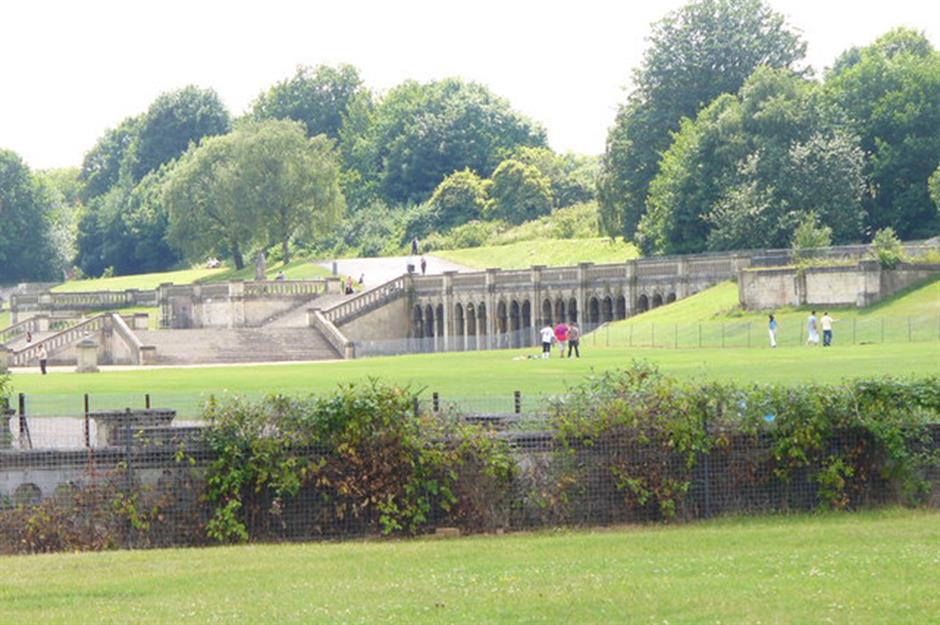
Tragically, the building was swallowed up by a fire in 1936 – it’s still not known how the fire was started and whether or not it was intentional. Currently, remnants of the palace, including terraces, sphinxes and a huge bust of its designer, Sir Joseph Paxton, can be seen at the site, which has been renamed Crystal Palace Park.
Pink and White Terraces, Lake Rotomahana, New Zealand
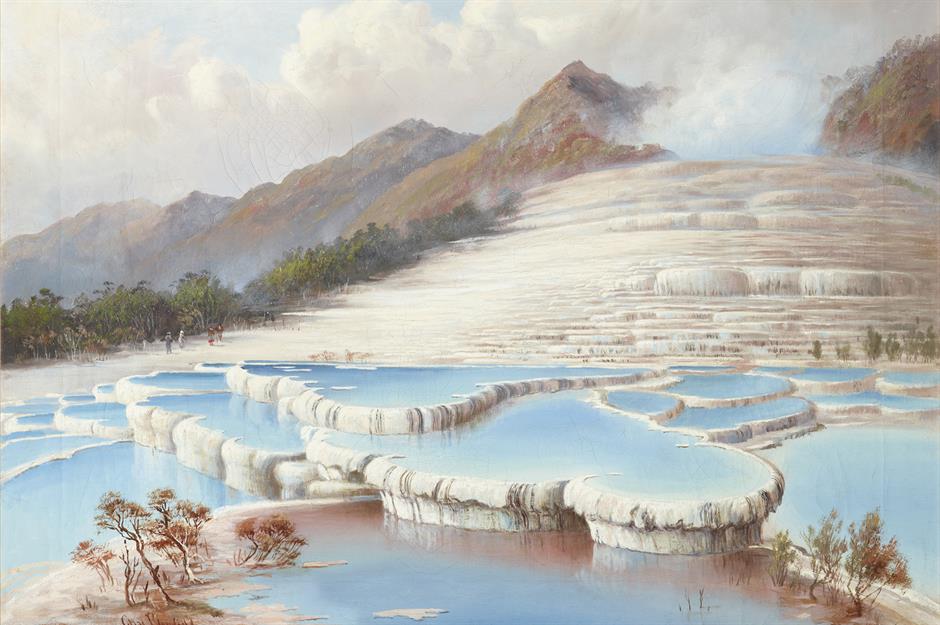
Back in the mid-19th century, these gorgeous, naturally formed cascading pools attracted tourists from across the globe. Often dubbed “the eighth wonder of the world”, they were destroyed by the eruption of Mount Tarawera back in 1886. Now their glory is captured only by a handful of paintings, like this one by English artist Charles Blomfield.
Pink and White Terraces, Lake Rotomahana, New Zealand
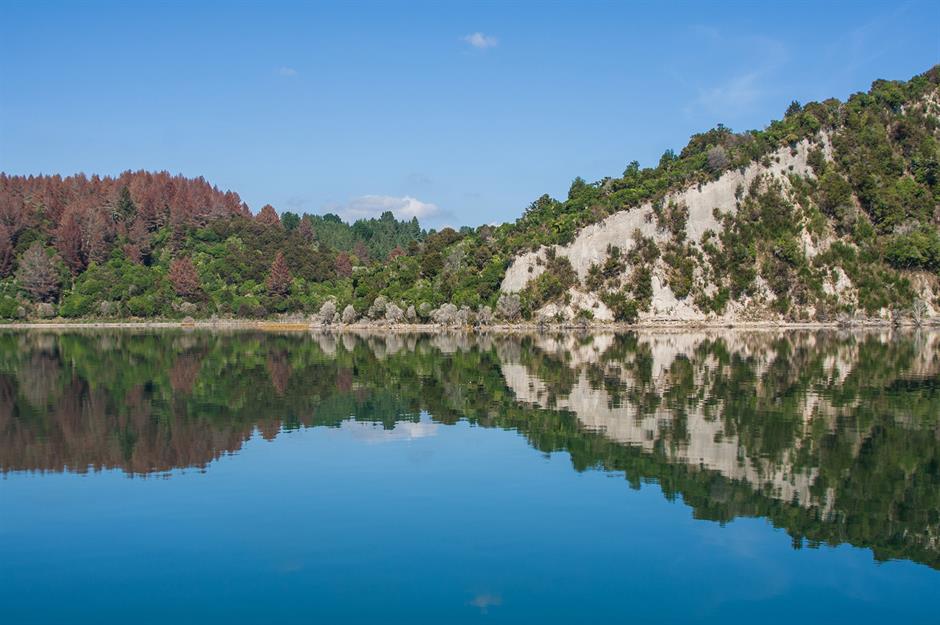
Nowadays, Lake Rotomahana remains a beautiful sight, although scientists have disputed the potential location of the Pink and White Terraces. Independent researchers Rex Bunn and Dr Sascha Nolden claimed in 2017 that the terraces were actually buried on land, based on an archaeological study they’d carried out. But New Zealand’s scientific research unit GNS Science disputed its claims and, in March 2021, produced a new map of the lake highlighting the terraces’ likely location.
Sponsored Content
Chacaltaya glacier, Bolivia
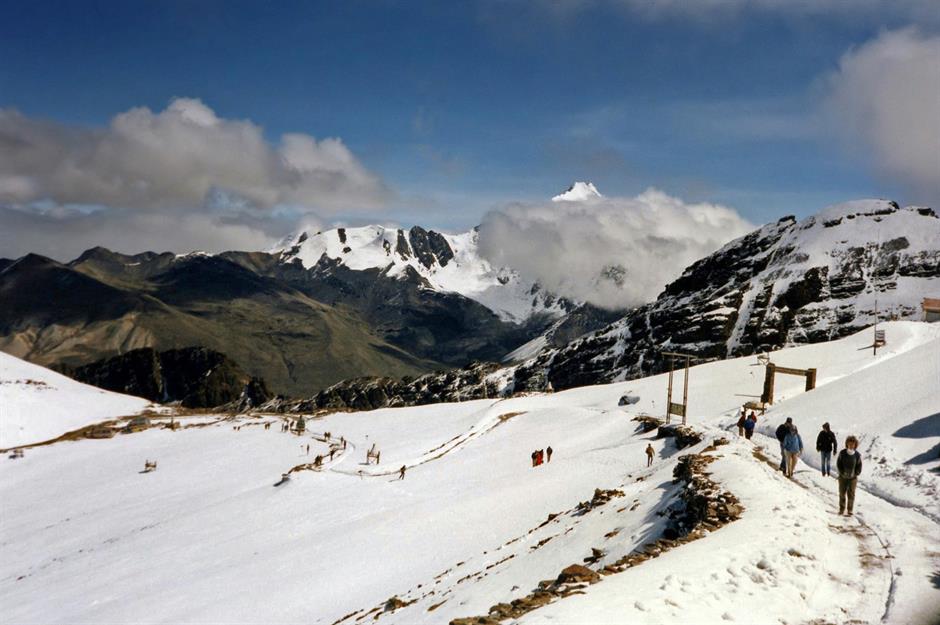
Daring skiers would once have dreamed of trying their luck on the notoriously tough Chacaltaya mountain, the highest ski resort in the world. The ancient glacier that sits within it spanned 0.085 square miles (0.22sq km) back in 1940, but rapidly decreased in size over the years until 2009, when it completely melted away.
Chacaltaya glacier, Bolivia
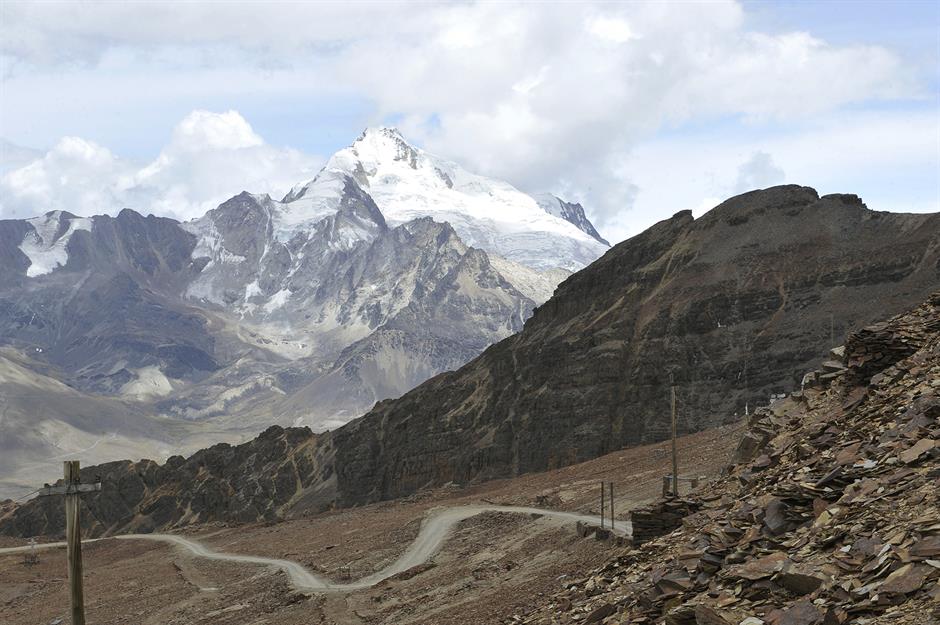
In 1998 experts predicted the glacier would survive until 2015 but, due to climate change, it melted six years earlier than estimated. Today, Chacaltaya is pretty barren – yet despite the lack of skiing, it remains a popular spot with mountaineers who take on the challenging hike to its summit.
Discover the world's landmarks under threat from climate change
Vidámpark, Budapest, Hungary
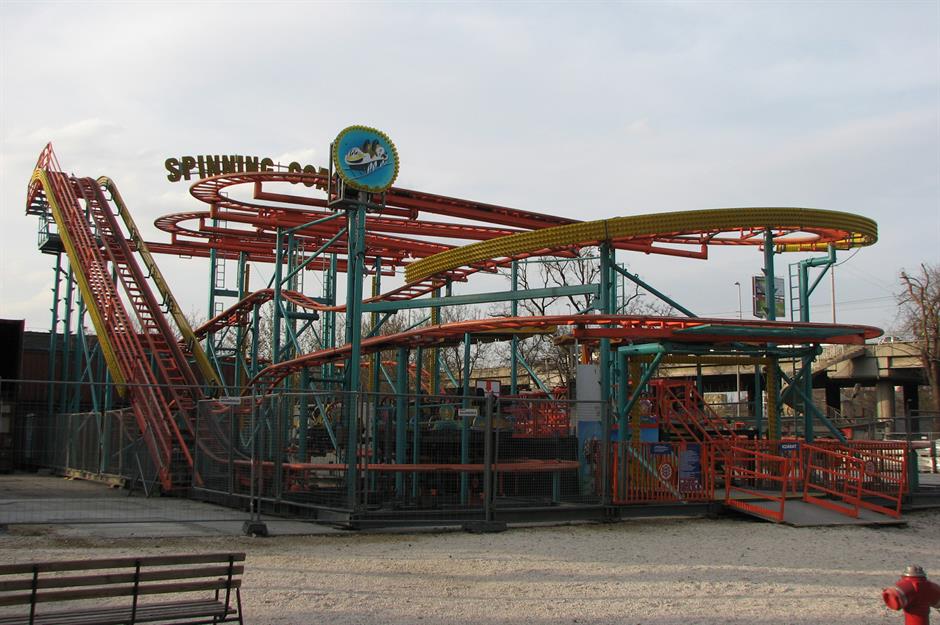
While it may not possess stunning architecture or natural beauty, Budapest’s Vidámpark was an institution for thrill-seekers. At its peak in the mid-1970s, the stalwart amusement park would typically attract around 2.7 million people during a six-month open season. It offered several historic rides, including the City Wave Roller, a wooden roller coaster built in 1922, and a carousel built in 1906.
See these stunning historic images of theme parks in full swing
Sponsored Content
Vidámpark, Budapest, Hungary
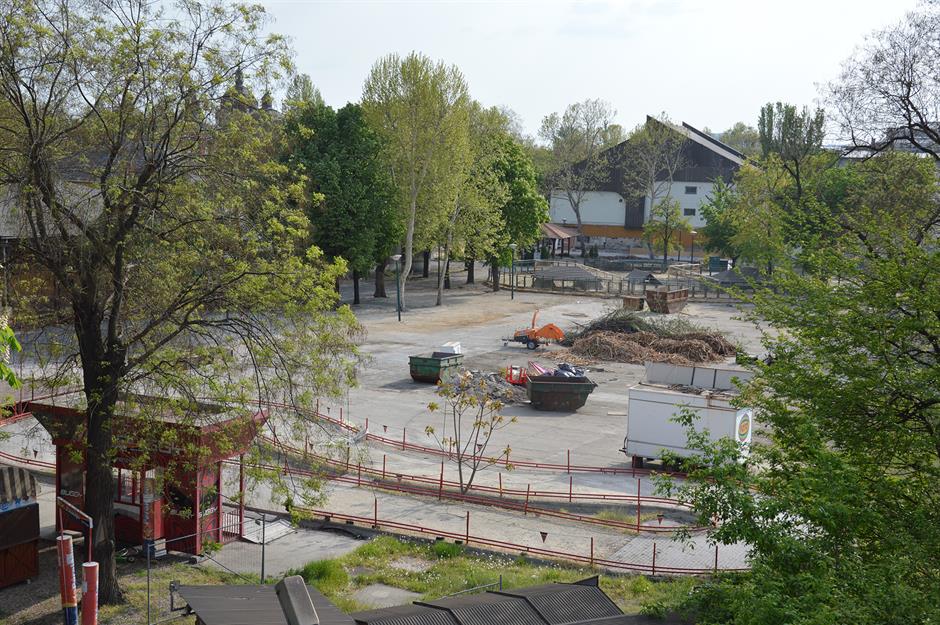
Sadly, the theme park was forced to close in 2013. Visitor numbers had plunged to less than 300,000 in 2012 and it was running into debt, propped up by municipal credit. The site was swallowed up as part of an expansion of the neighboring city zoo, though a few rides, including the century-old carousel, were maintained.
Guaíra Falls, Paraguay/Brazil
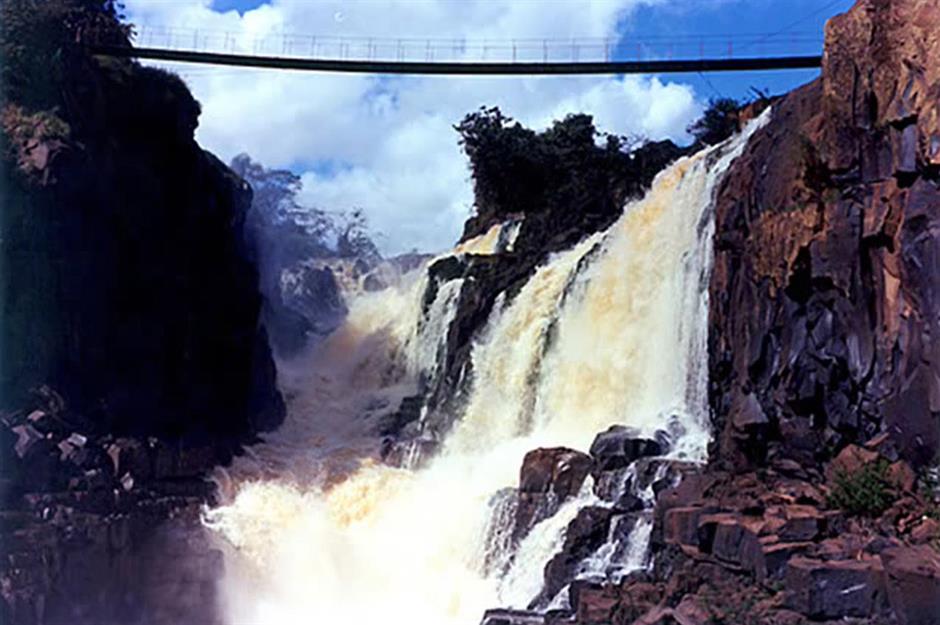
Less than four decades ago, on the border between Paraguay and Brazil, lay some of the most powerful waterfalls in the world. Comprising 18 falls, with a total drop of 375 feet (114m), Guaíra Falls attracted tourists from across the globe, who were captivated by their immense power and beauty.
Guaíra Falls, Paraguay/Brazil
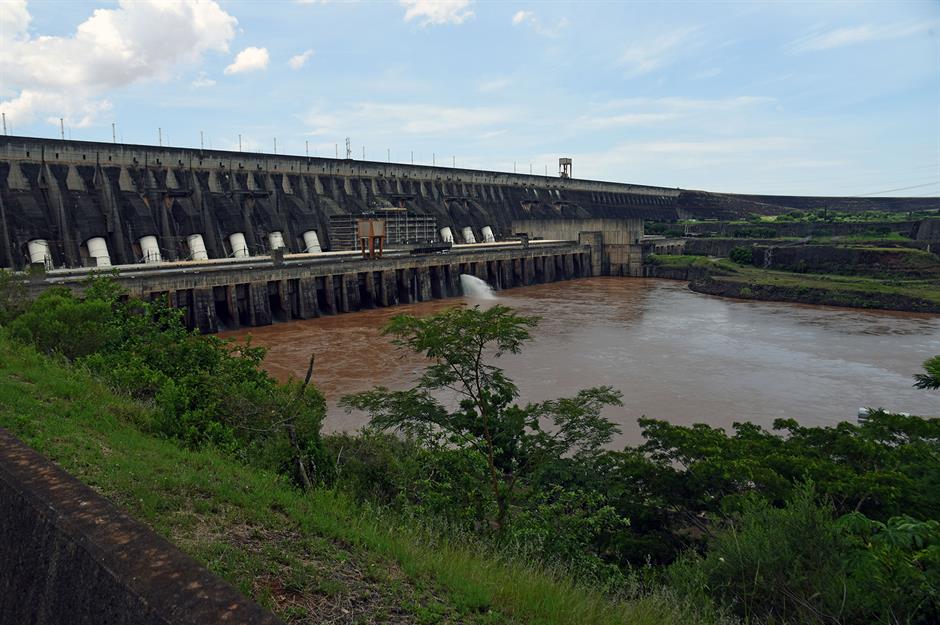
In 1982, the falls fell victim to a giant engineering project. They were closed and dynamited to create the Itaipu Dam, which provides 88.5% of the electricity used by Paraguay and 10.8% of the electricity in Brazil. This makes it one of the world’s largest and most powerful hydroelectric plants. Whether it’s worth the price of such a wondrous natural spectacle is another question altogether.
Sponsored Content
West Pier, Brighton, UK
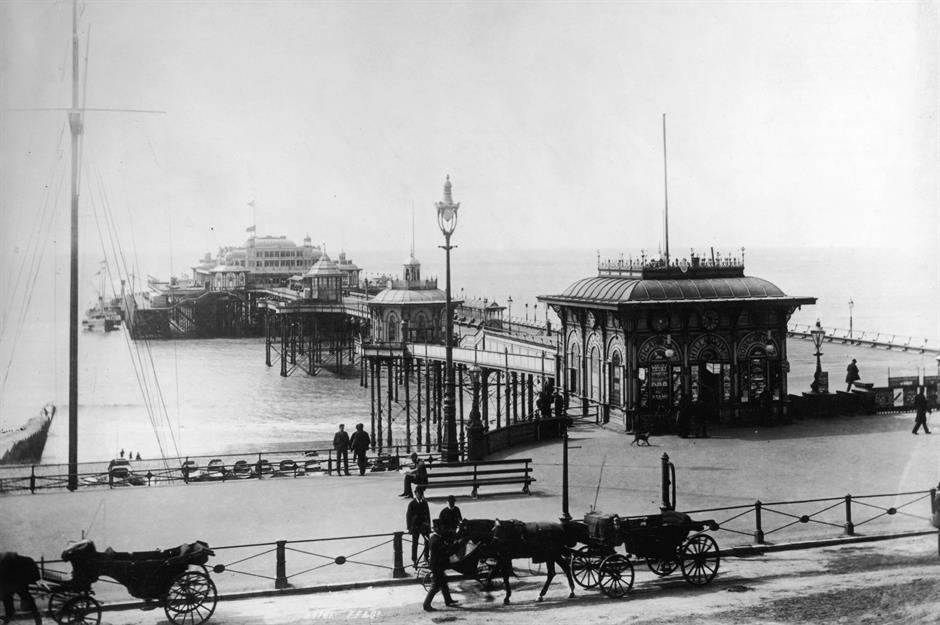
Today, Brighton’s larger and better-known Palace Pier is a beloved attraction, but just along the coastline you’ll find the skeletal remains of an older pier. Opened in 1866, during the Victorian boom for seaside vacations, the West Pier featured a concert hall, funfair and tearoom. It was extremely popular in the late-19th and early-20th centuries.
West Pier, Brighton, UK
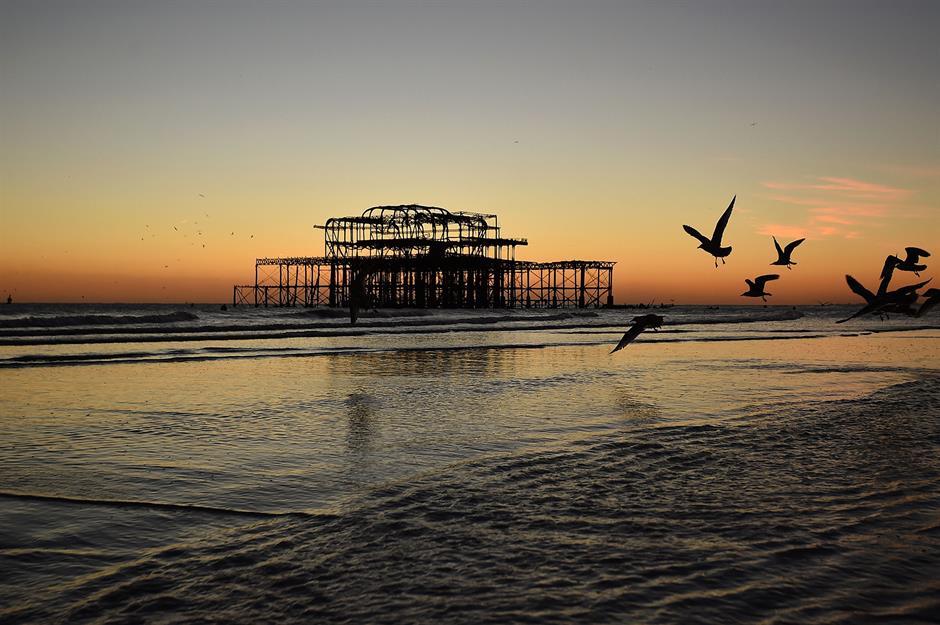
The West Pier went into financial decline in the 1960s, before closing in 1975 and falling into disrepair. Since then, it partly collapsed due to a storm in early 2003 and caught fire that March, in a suspected act of arson. Despite being mostly destroyed, the hollowed-out structure makes for a spooky yet beautiful silhouette for photographers.
Porcelain Tower, Nanjing, China
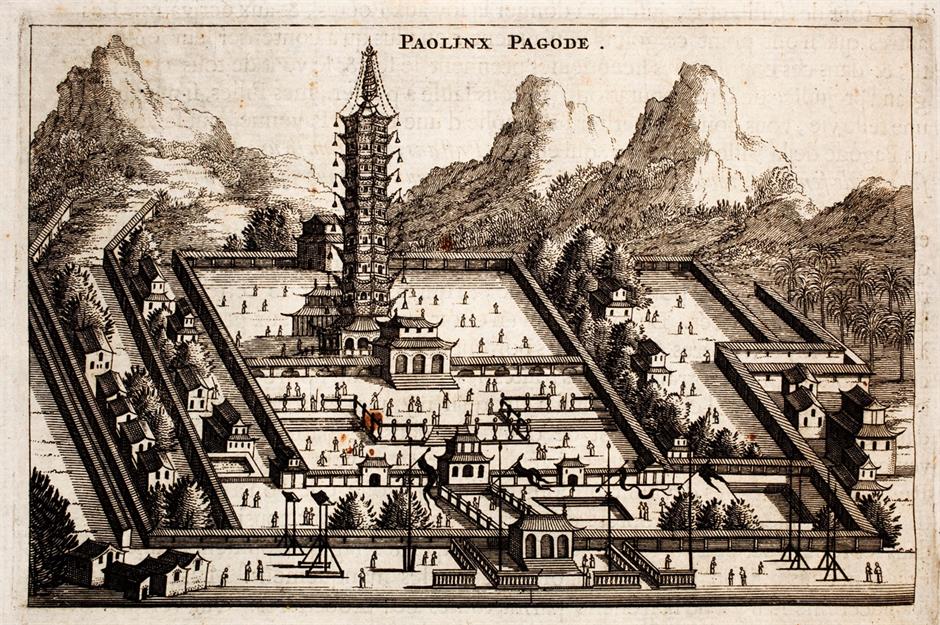
If you’ve ever smashed a piece of porcelain crockery, you might think that a 256-foot (78m) tower made from the stuff is not the smartest idea. Yet, surprisingly, this architectural gem lasted for around 400 years, from the 14th to 19th centuries, before being destroyed by rebels during the Taiping Rebellion (1850-1864). In its day, it showcased a traditional pagoda style, adorned with colorful Buddhist imagery and lit up by lanterns at night.
Sponsored Content
Porcelain Tower, Nanjing, China
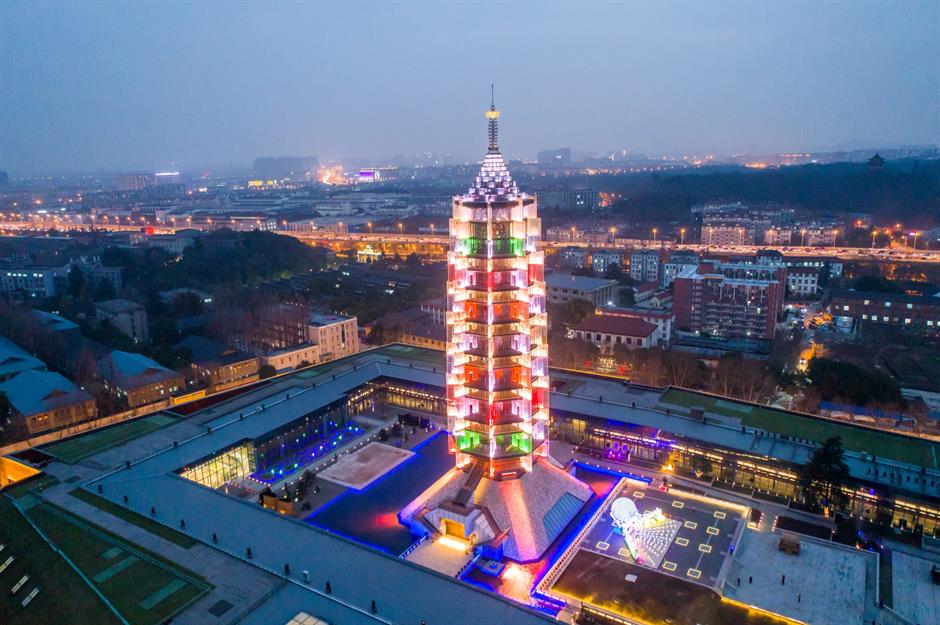
In 2015, the Porcelain Tower was reborn as a modern, steel-and-glass pagoda gracing the same spot in Nanjing. Property developer Wang Jianlin, one of China’s richest people, reportedly donated one billion yuan ($155m) towards its construction. Complete with multiple viewing platforms and surrounded by a futuristic Buddhist-themed museum, it certainly provides a new take on the historical site.
The Hippodrome Theatre, New York City, USA
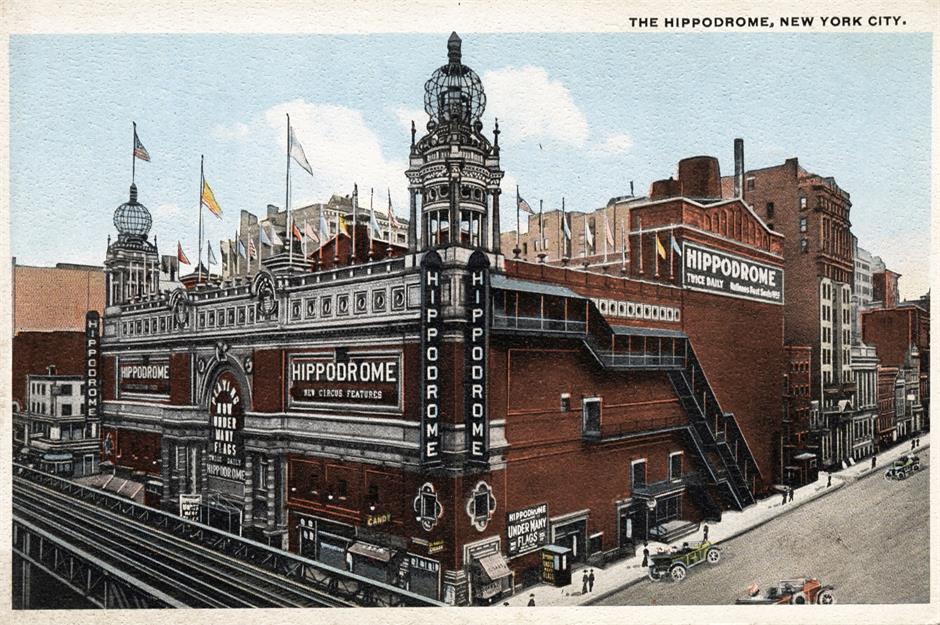
If you had walked down to 1120 6th Avenue in New York 100 years ago, you’d have been greeted by the sight of this spectacular theater. The giant 5,200-seat Hippodrome was created by entrepreneurs Frederick Thompson and Elmer Scipio Dundy, who enticed new middle-class customers with lower ticket prices and made theater accessible for all.
The Hippodrome Theatre, New York City, USA
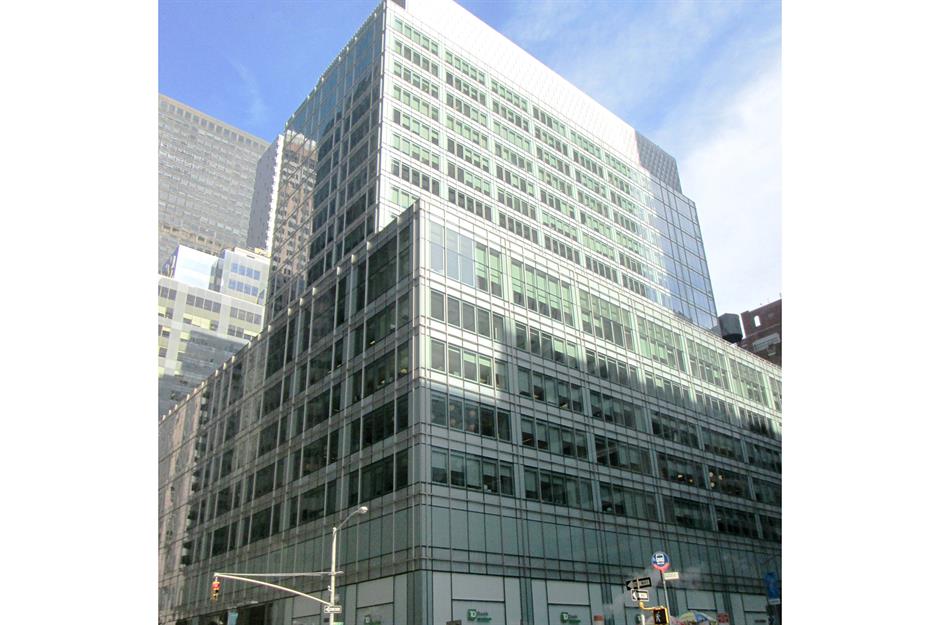
As was the case for other grand turn-of-the-century buildings, the Hippodrome fell into the trap of high maintenance costs. Despite passing through the hands of numerous owners, it finally had to close in August 1939 and was demolished later that year. In the 1960s it was replaced by a parking lot and an office building, which has remained ever since.
Sponsored Content
Jeffrey Pine, Yosemite, California, USA
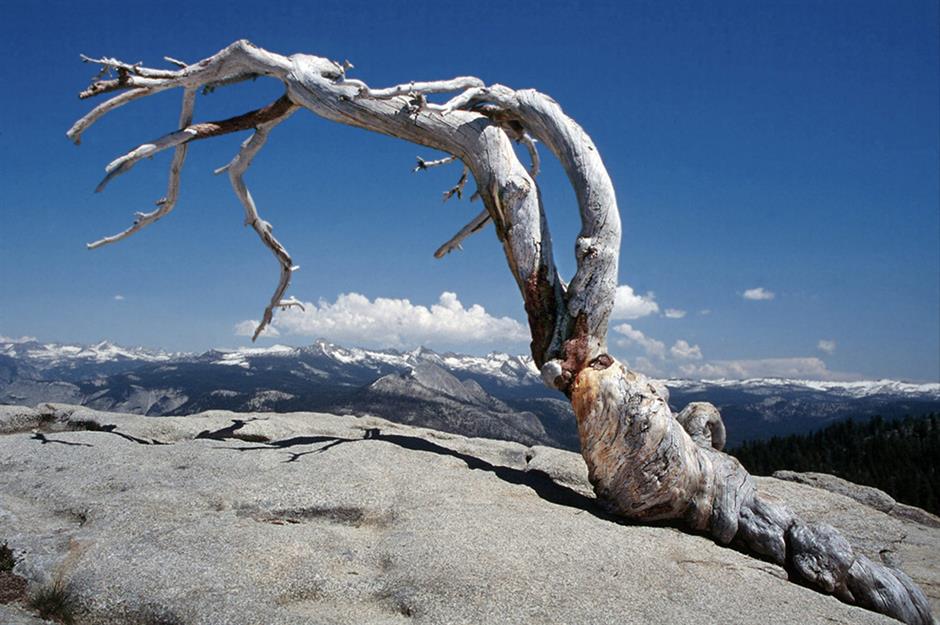
Yes, it’s just a tree – but it’s possibly one of the most photographed trees ever, after landscape photographer Ansel Adams catapulted it to fame when he shot it in 1940. With its dramatic, keeled-over shape, the tree became a popular photo stop for visitors to Yosemite National Park, showing the effects of more than 400 years of windy weather.
Jeffrey Pine, Yosemite, California, USA
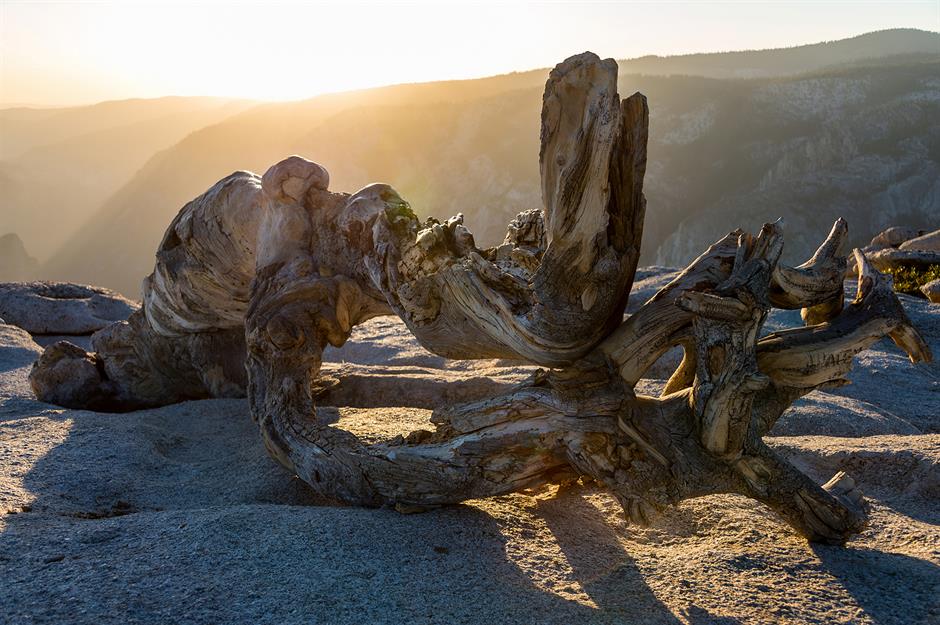
Sadly, nature took its course and, in 1977, the tree finally died. However, it remained upright for some time, looking even more striking for its bleached wood, until 2003 when it toppled to the ground after a storm. Jeffrey Pine remains in its former spot and still fascinates hikers and photographers, despite no longer standing tall.
Love Locks Bridge, Paris, France
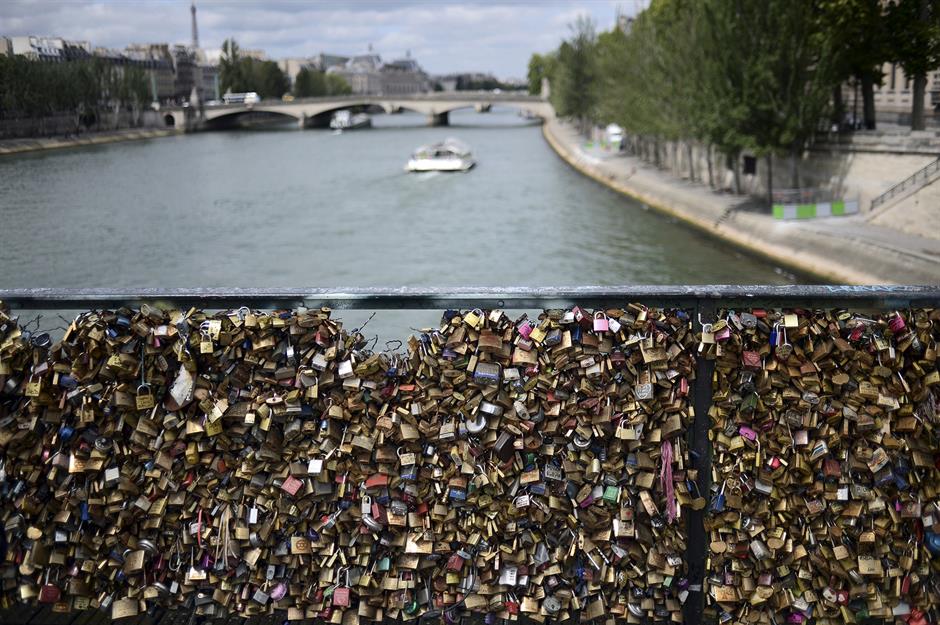
This quirky tradition saw tourists flocking to the City of Love to express their amor by signing theirs and their partner's names on padlocks, before attaching them to the Pont des Arts over the River Seine. The practice became so popular that at one point the bridge contained one million padlocks – the locks alone weighed around 45 tons.
Sponsored Content
Love Locks Bridge, Paris, France
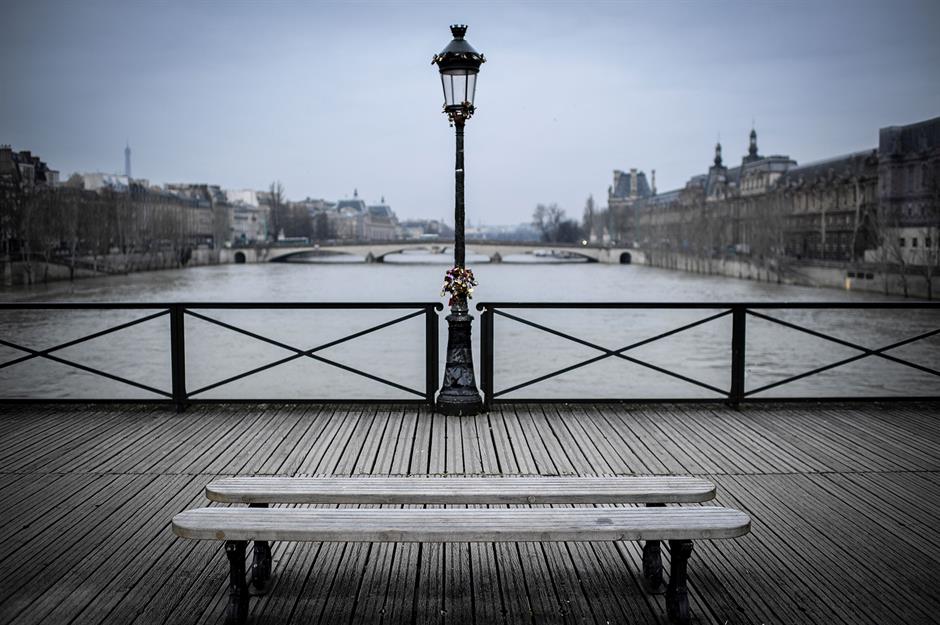
Part of the fence broke in 2014, crippled (ironically) by the weight of these symbols of "everlasting" love. The following year, city officials began to remove padlocks and replace the bridge’s metal grilles with plastic panels, which have now been replaced by glass panels. Determined to keep the tradition going, some have begun to attach padlocks to lampposts along the bridge instead.
The Old Man of the Mountain, New Hampshire, USA
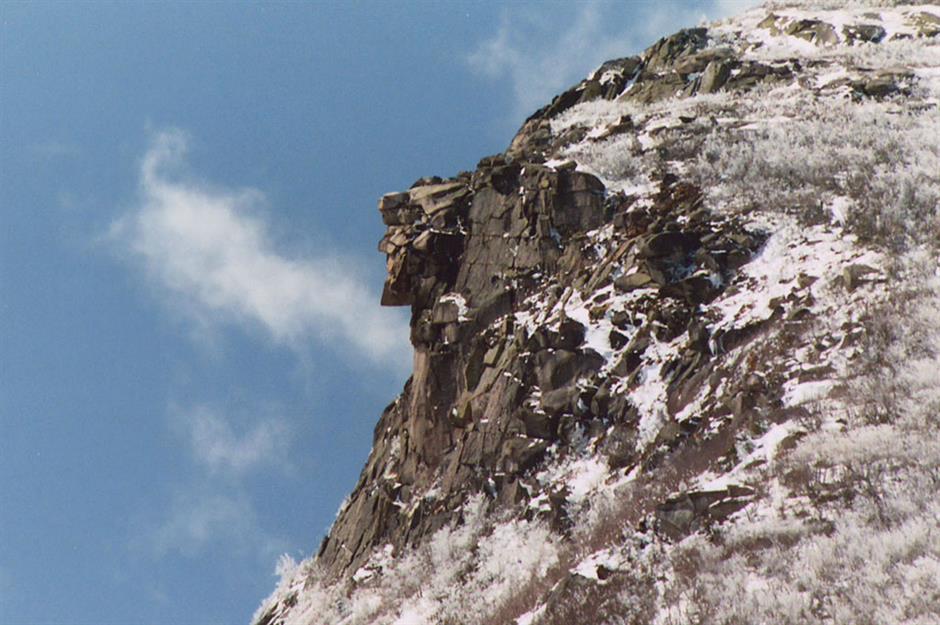
Seen from a distance, this piece of rock jutting out from Franconia Notch might not have looked like much. But when viewed from the north side, the rock once resembled the profile of an old man, with a clearly-defined forehead, nose, lips and chin. Hence it became known as the "Old Man of the Mountain", a much-loved New Hampshire landmark.
The Old Man of the Mountain, New Hampshire, USA
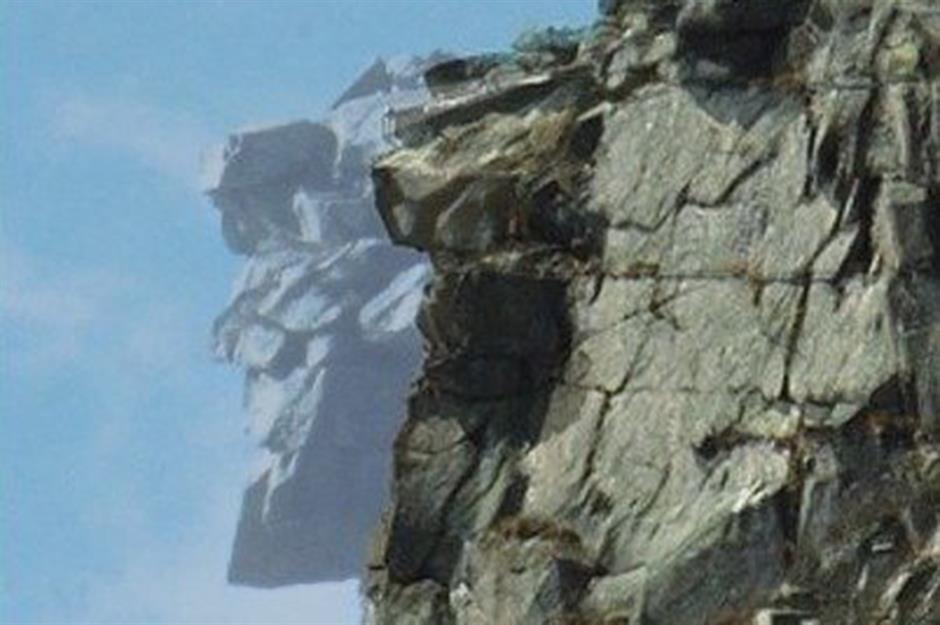
After gracing the landscape for an estimated 12,000 years, the poor Old Man fell off the mountain one fateful night in May 2003. Local people mourned the loss of their mascot, creating a memorial in Profiler Plaza at the base of the mountain. This picture shows the now-missing section.
Sponsored Content
Penn Station, New York City, USA
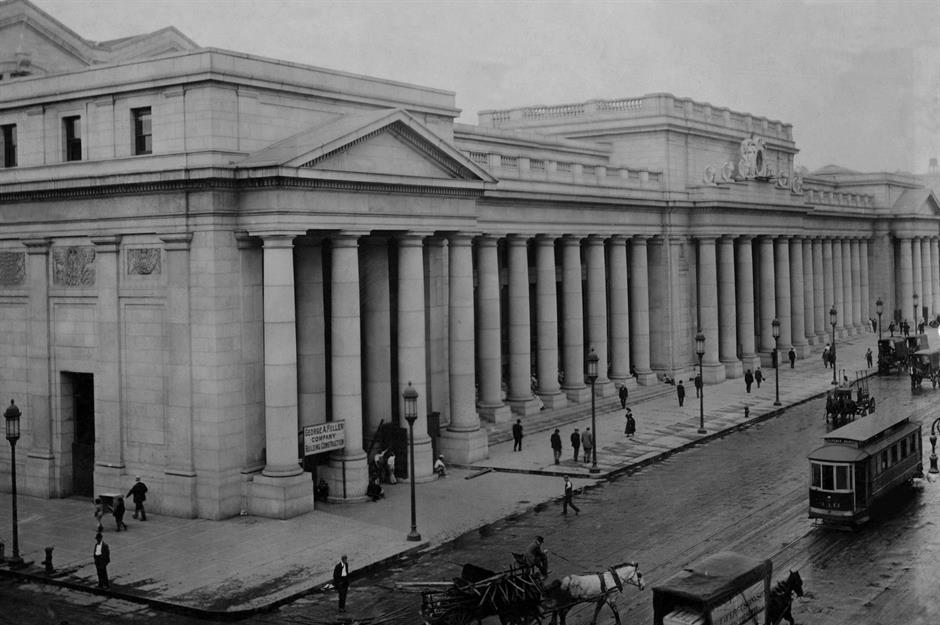
The former Penn Station, opened in 1910, was a striking sight: designed in the Beaux Arts style, it featured pink granite, vaulted glass windows, giant stone pillars and archways. However its construction wasn’t without controversy. In order to be built, several blocks of the Tenderloin neighborhood had to be demolished, meaning thousands of residents from the largely African-American community were displaced.
Penn Station, New York City, USA
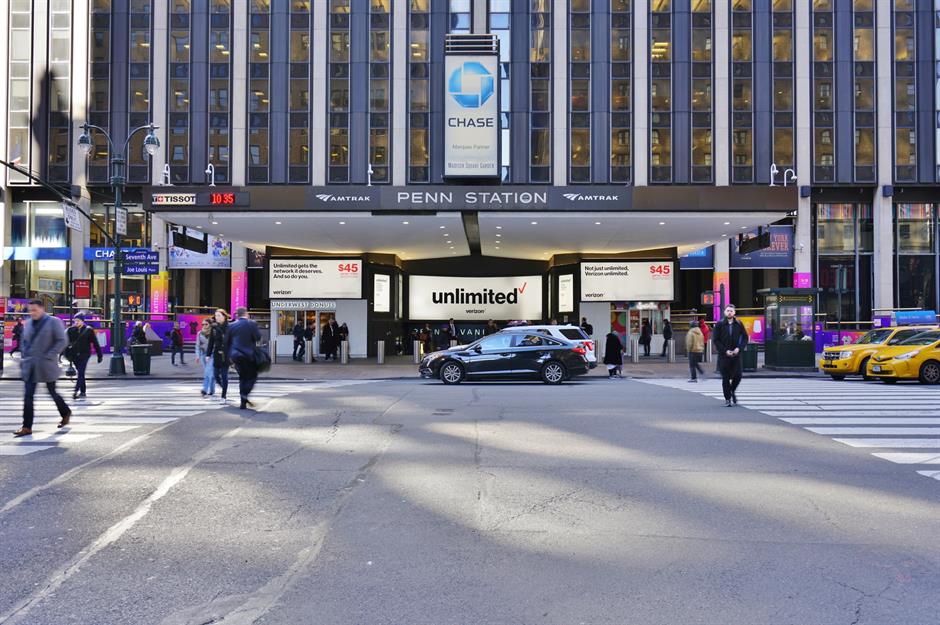
Like many grand buildings, it cost a hefty sum to maintain, so in 1962 it was demolished – despite the backlash from many New Yorkers. Today’s Penn Station, a smaller, underground network complete with neon lighting and all the mod cons, is a far cry from what it once was. But the building’s modest size means that the now-increasing number of rail passengers puts an ever-surmounting strain on the building. As a result, plans have been put in place to expand it.
Royal Opera House, Valletta, Malta
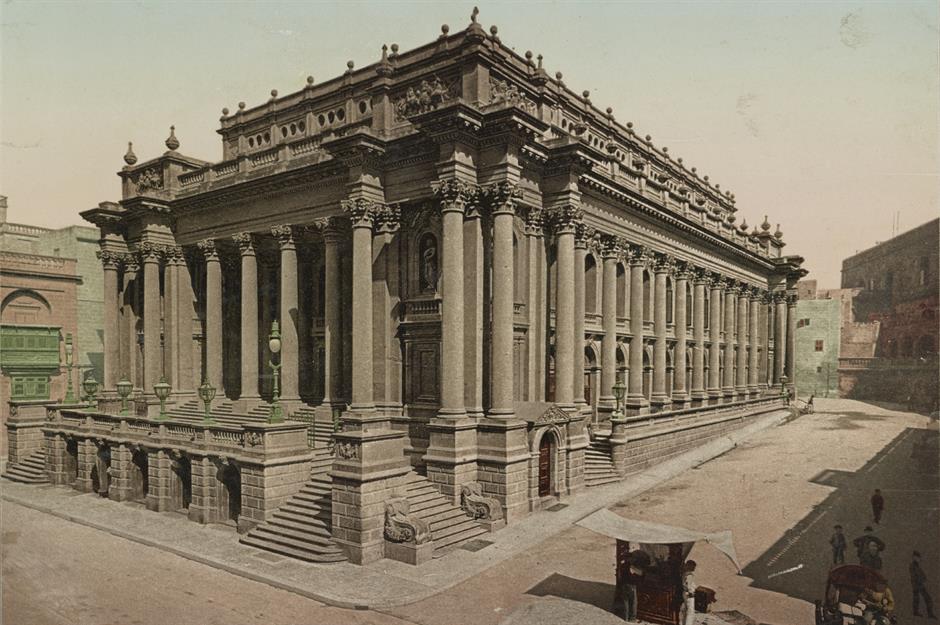
When Valletta’s Royal Opera House was built in the 1860s, it was a Neoclassical jewel drawing big-name Maltese and international artists, as well as up-and-coming acts. Sadly though, its life was short. In 1873, the venue was ravaged by fire and its interior was badly damaged.
Sponsored Content
Royal Opera House, Valletta, Malta
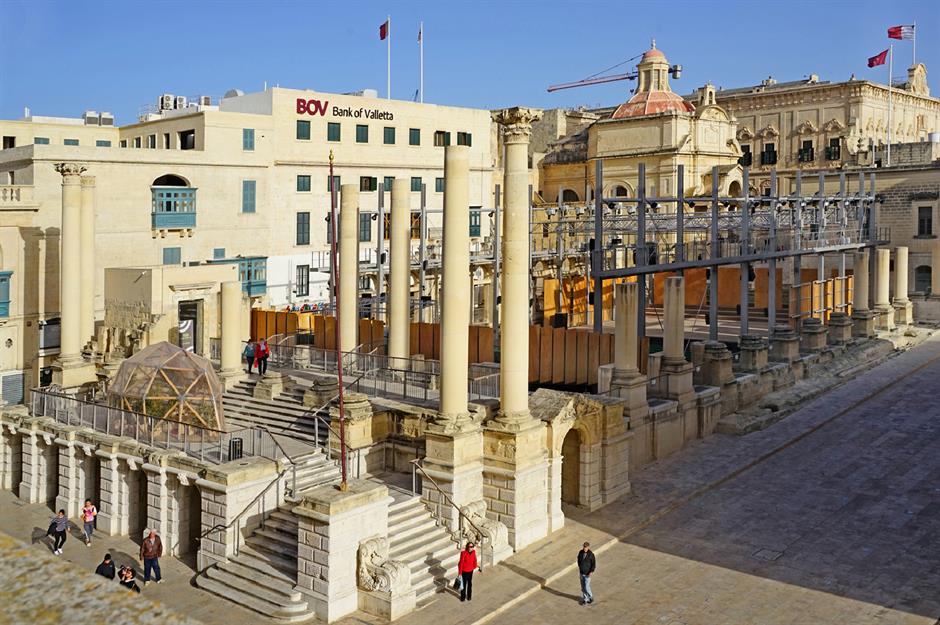
The Opera House was restored and reopened shortly afterwards, only to be gutted again by a direct bombing during the Second World War. This time the building remained in ruins. For a long time, it stood vacant, until Italian architect Renzo Piano repurposed the destroyed theater as an open-air performance venue. Now, once again, music lovers come to hear the sound of swing, jazz, opera and more from within the theater’s remaining columns.
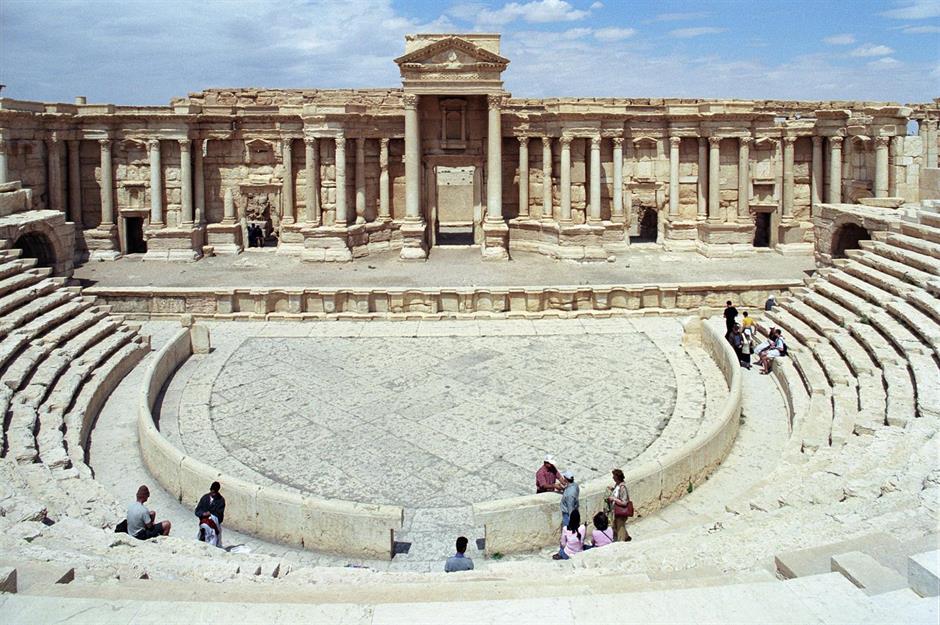
Palmyra, Homs, Syria
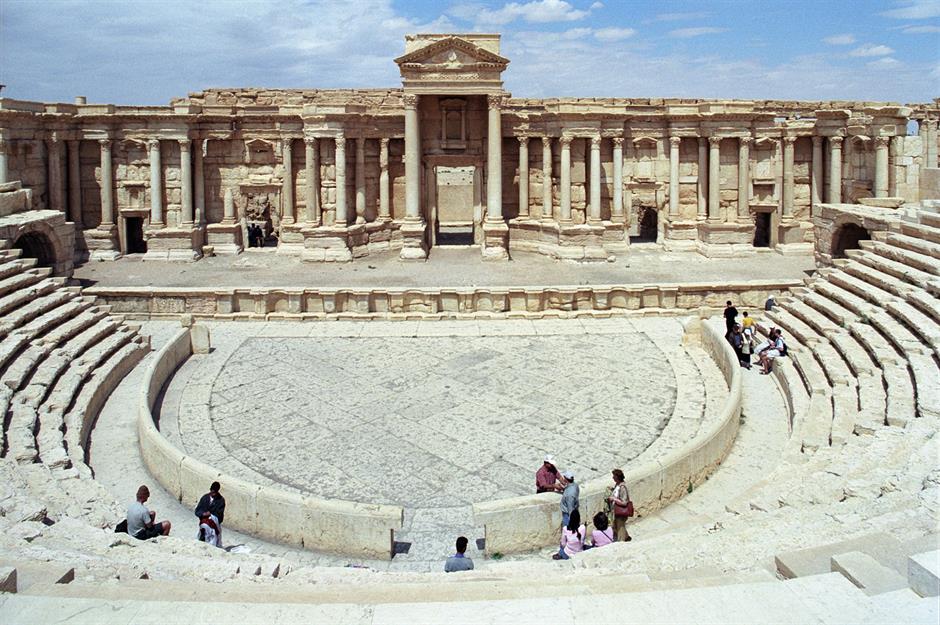
This ancient city, which was established around the third millennium BC, combines Greco-Roman, Persian and Arabian architecture. A UNESCO World Heritage Site, it includes ruins of the Temple of Bel, the Great Colonnade, Damascus Gate and a Roman amphitheater. But tragedy hit in 2015, when the site was captured and partially destroyed by Isis.
Palmyra, Homs, Syria
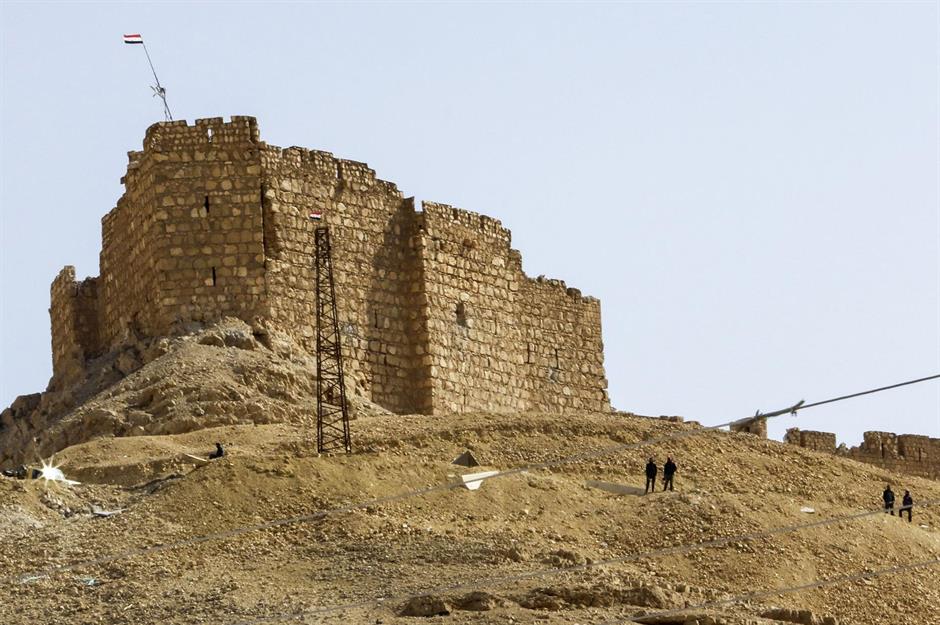
Between 2015 and 2017, the militants rampaged and blew up parts of the ancient city, including the Temple of Bel and the Arch of Victory. While it no longer contains some of its original features, the site is coming closer to being rebuilt following an agreement between the Syrian government and Russia’s Stone Industry Association. The agreement will include the creation of a new 3D model, using more than 55,000 aerial photographs, which will be used for its future restoration.
Sponsored Content
Central Park Casino, New York, USA
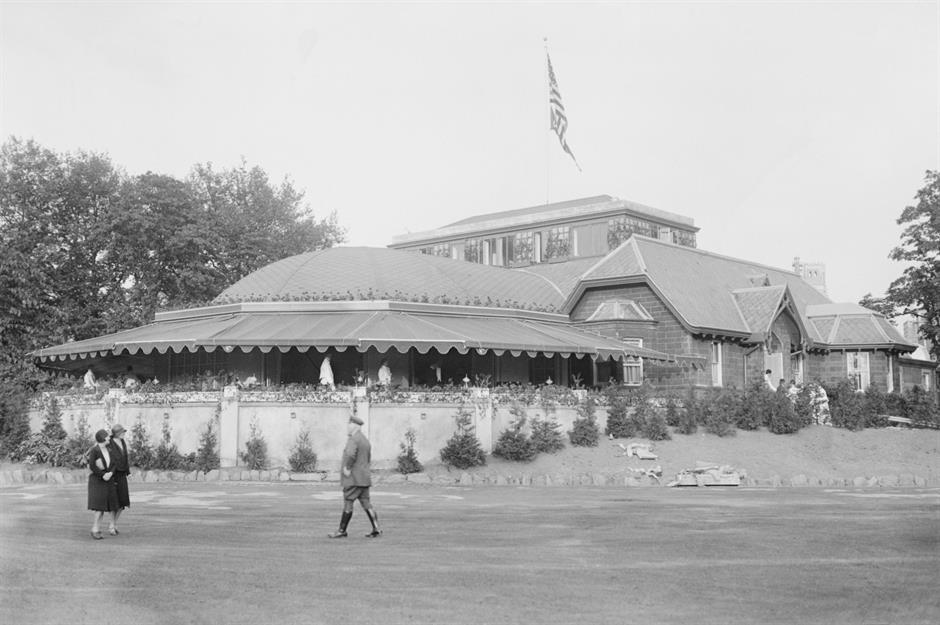
Today’s Central Park is full of things to do, from horse and carriage rides to Shakespeare plays and there’s even a zoo. But it’s missing one big attraction from yesteryear: a casino. Designed by Calvert Vaux, one of the park’s designers, in 1864, the lavish casino was once New York’s hottest after-dark destination.
Central Park Casino, New York, USA

Euston Arch, London, UK
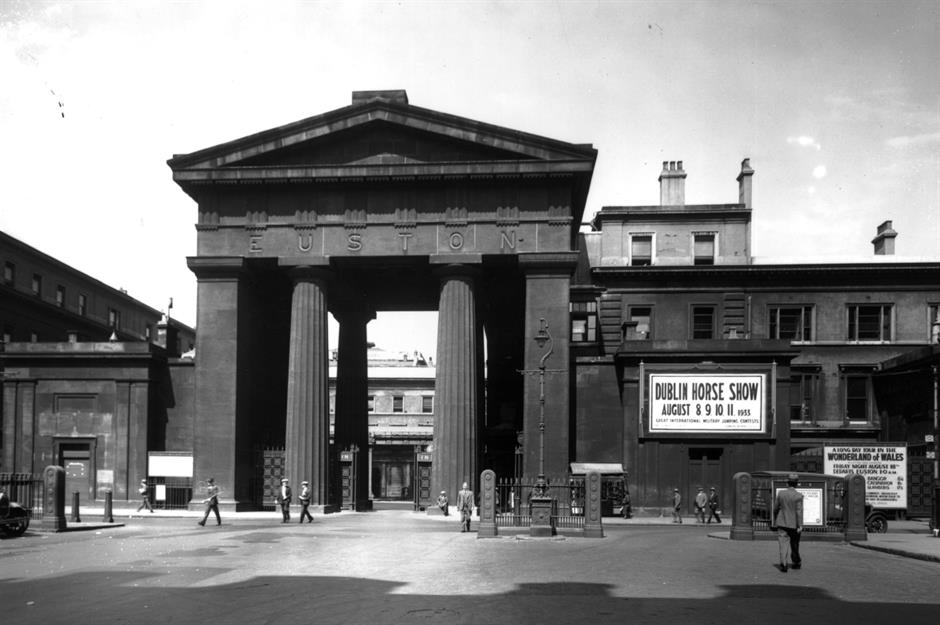
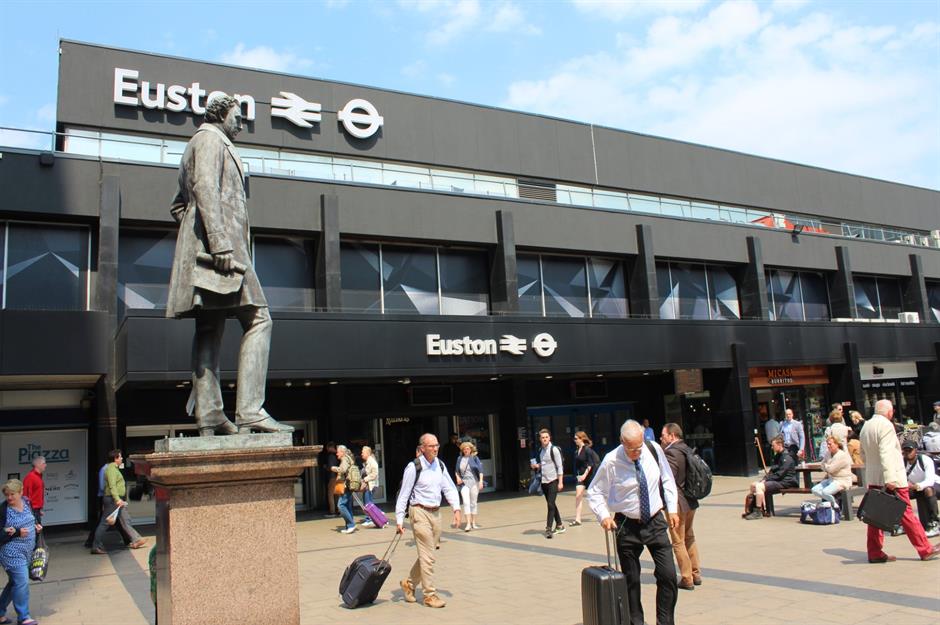
Once marking the entrance to London’s bustling Euston train station, this eponymous arch was built in 1837. Designed by British architect Philip Hardwick, it was meant to resemble a propylaea, or Greek gateway, and included four grand sandstone pillars with bronze gates behind them. However, following the city’s rapid development over the next century, it began to be dwarfed as hotels and high-rises sprung up around it.
Sponsored Content
Euston Arch, London, UK
Six Flags, New Orleans, Louisiana, USA
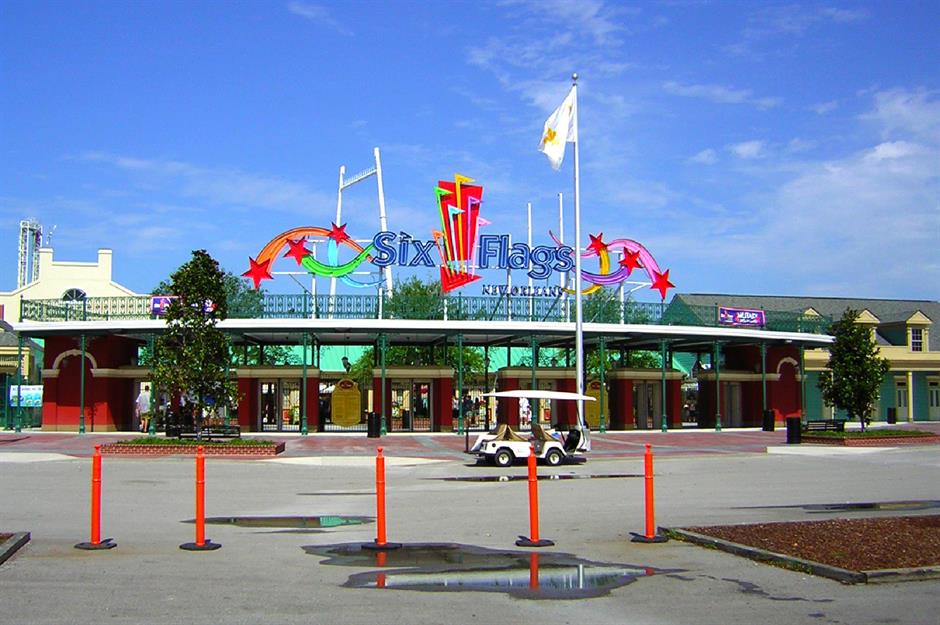
Recognize this theme park? That’s because the site was used as a filming location for Jurassic World and Planet of the Apes. On top of that, it served as a popular attraction for the brief period in which it was open, from 2000 to 2005. Yet when Hurricane Katrina hit New Orleans in August 2005, the theme park was ravaged.
Six Flags, New Orleans, Louisiana, USA
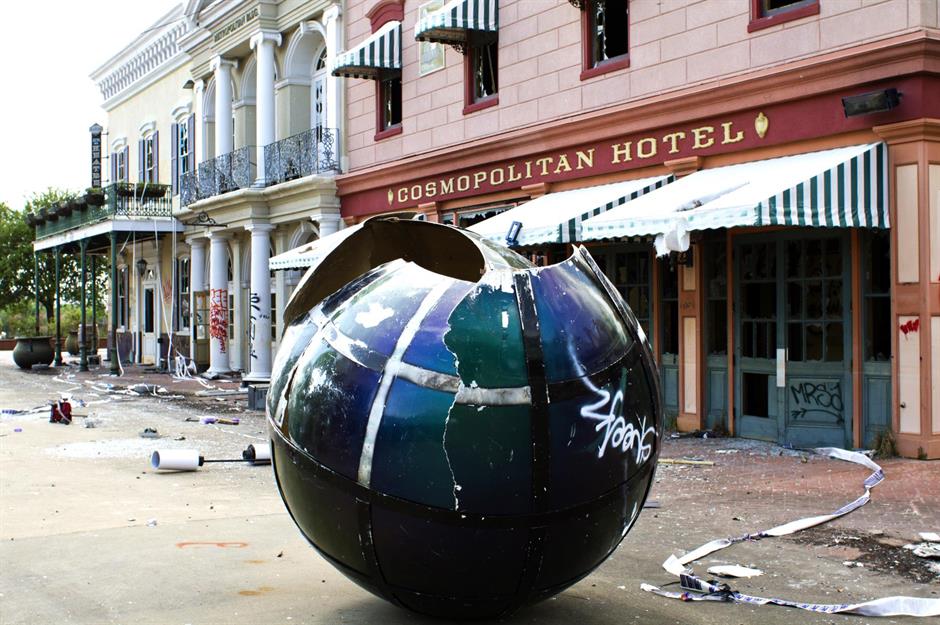
With the park’s roller coasters, equipment and rides submerged in dirty water, the scene was left looking pretty apocalyptic after the water had drained. Officially closed down in 2006, the park has been left abandoned ever since. Yet it’s looking like it could be redeveloped soon, with two proposals having been advanced according to local news sources.
Sponsored Content
Jump-Off Joe, Newport, Oregon, USA
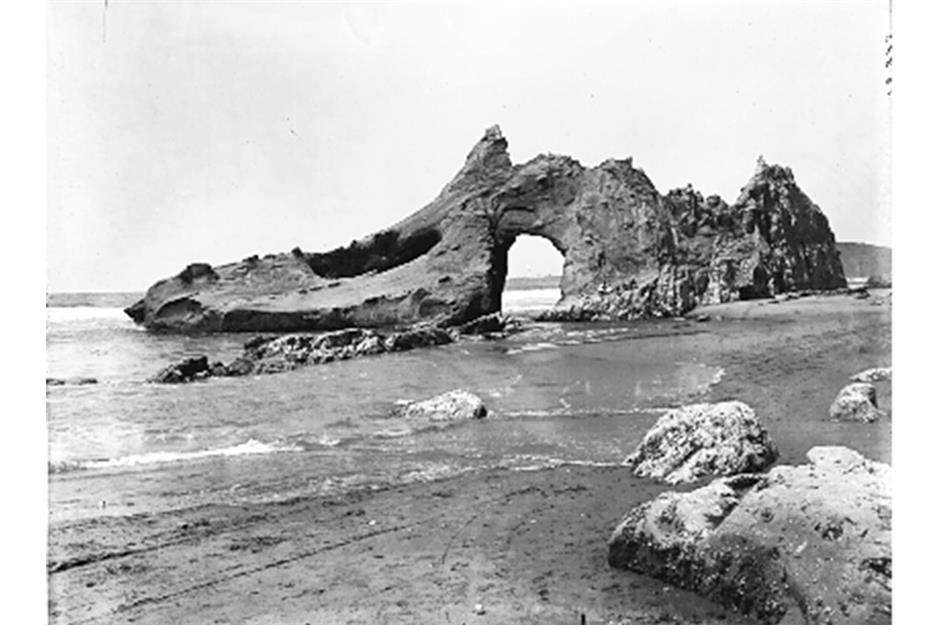
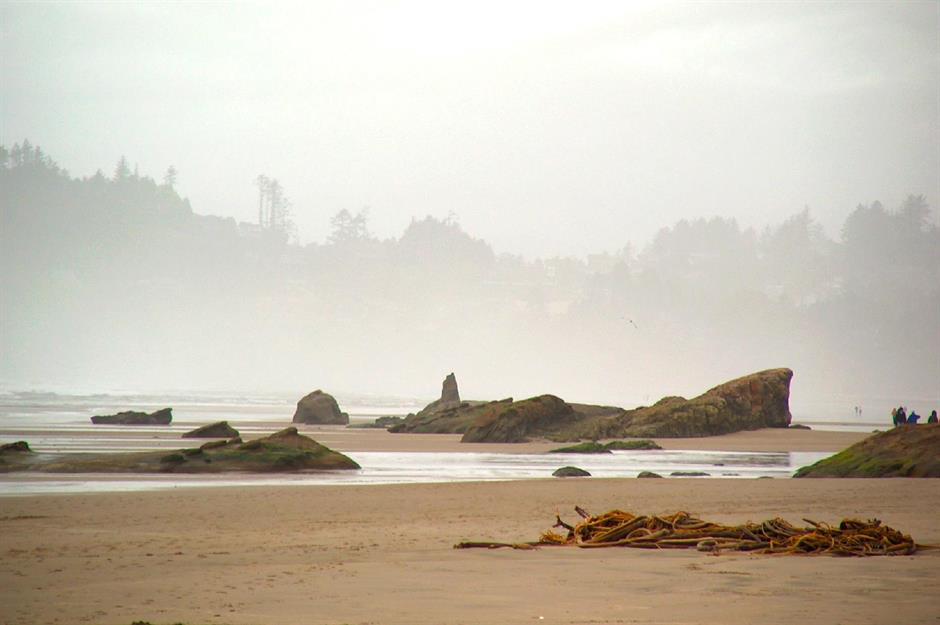
Jump-Off Joe, Newport, Oregon, USA
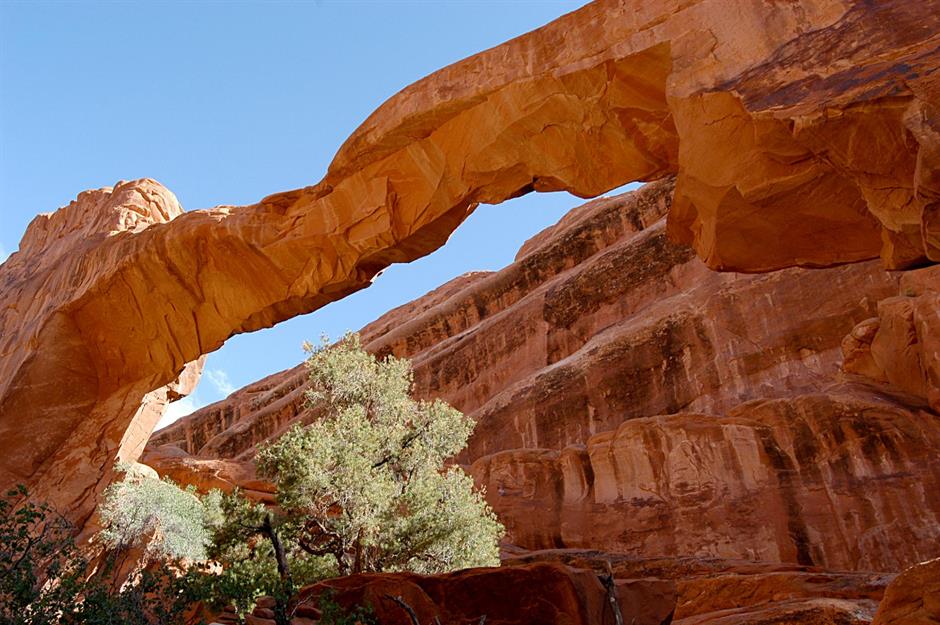
Wall Arch, Utah, USA
Sponsored Content
Wall Arch, Utah, USA
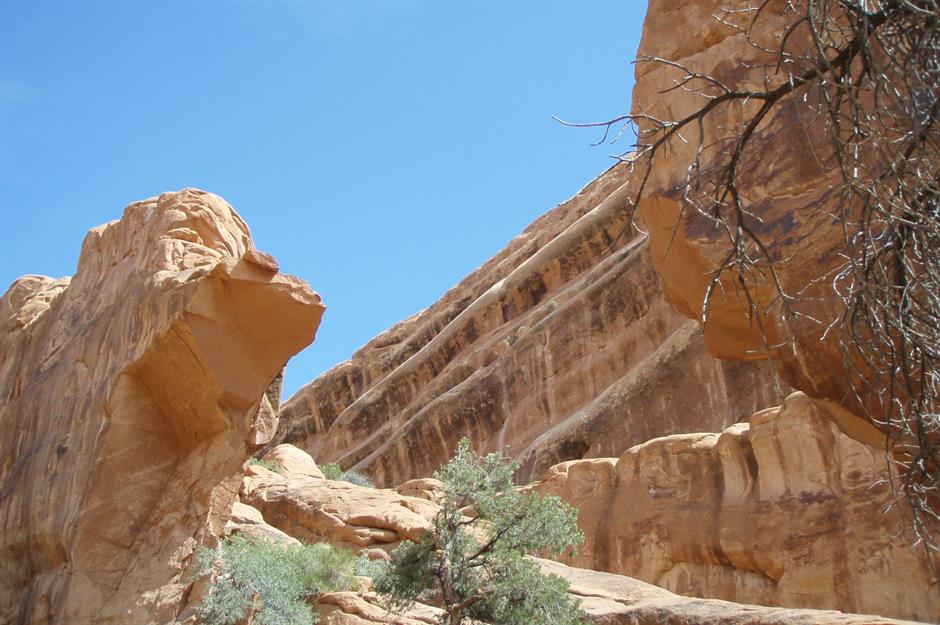
Yet the magnificent sandstone arch followed its natural course, collapsing in 2008 due to weathering and erosion. Today, the spot is still popular, while plenty of other arches and stunning rock formations help the national park attract some 1.5 million visitors each year.
Comments
Be the first to comment
Do you want to comment on this article? You need to be signed in for this feature