Grasshopper pie and other dishes that aren't what you think
Deceptive dishes
Dolphin
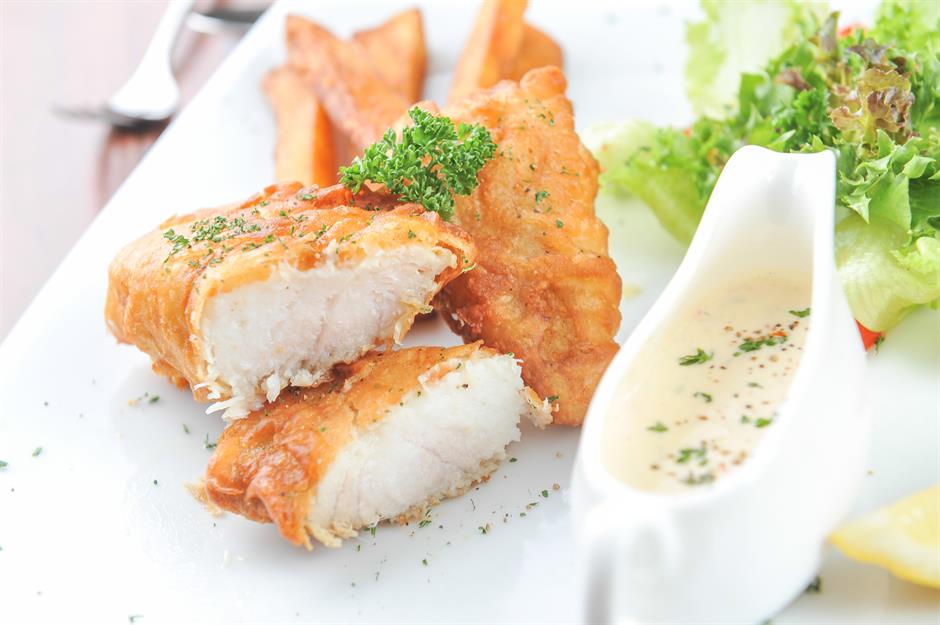
Cape Cod turkey
Sponsored Content
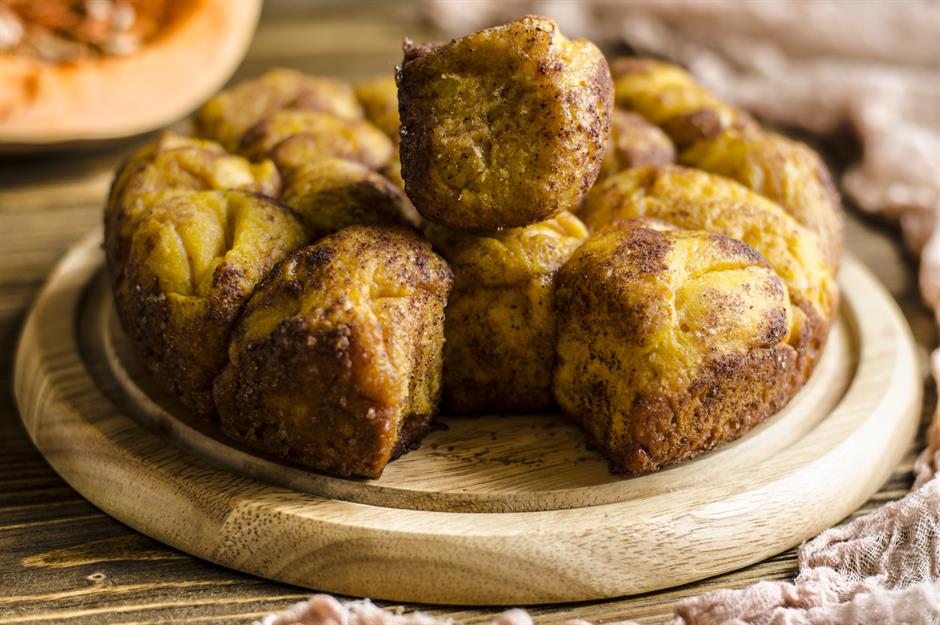
Monkey bread
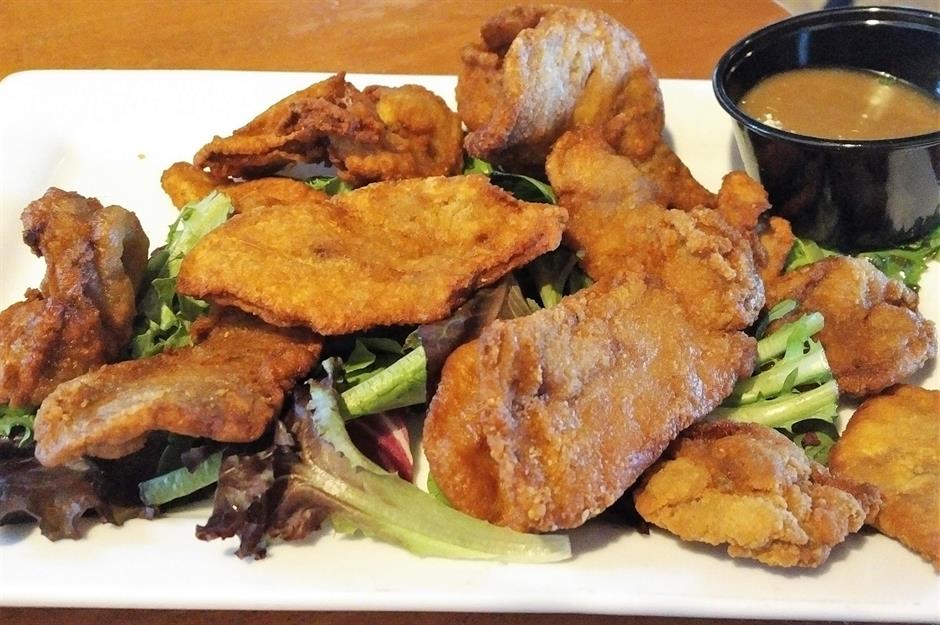
Rocky Mountain oysters
The priest fainted
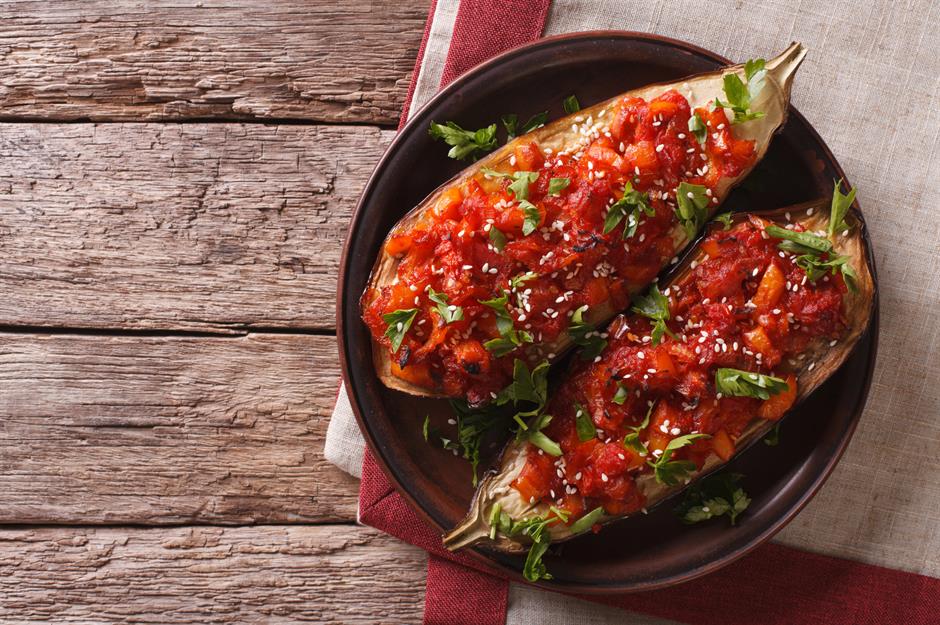
Also known as the preacher wept – and apparently all this drama was due to the downright deliciousness of this classic Turkish main or side dish of eggplant stuffed with tomatoes, onion and garlic before simmering in olive oil. It might not make you fall off your chair, but this rich, tangy recipe is certainly moreish.
Sponsored Content
Hen of the woods
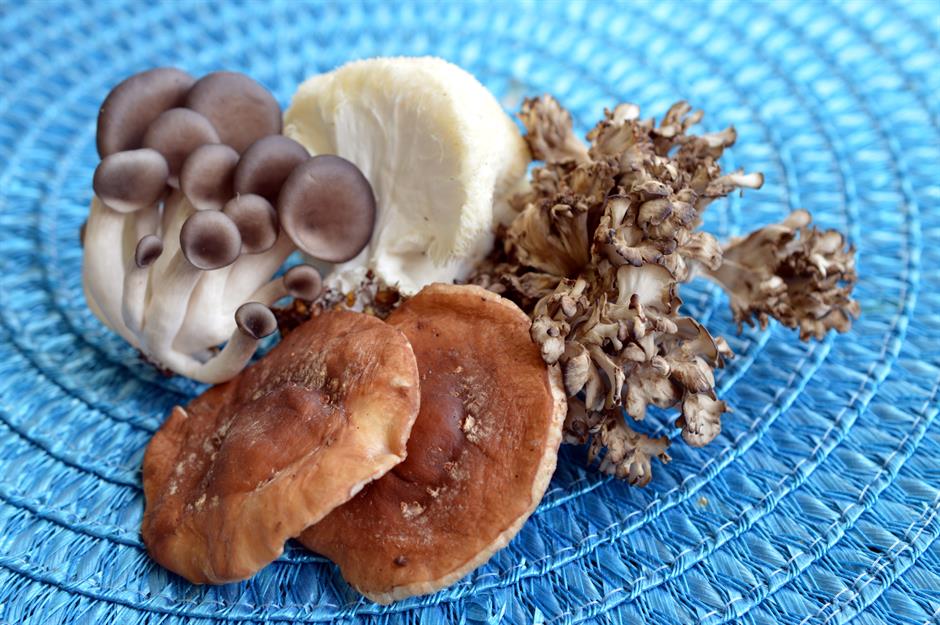
One odd name isn’t enough for this wild mushroom, which sprouts in large clusters some say resemble chickens with ruffled feathers. Other English nicknames include ram’s head, while in China it’s known as monkey’s bench. Prized for its delicate texture and intense, truffle-like flavor, you'll find it in stores by its Japanese name maitake.
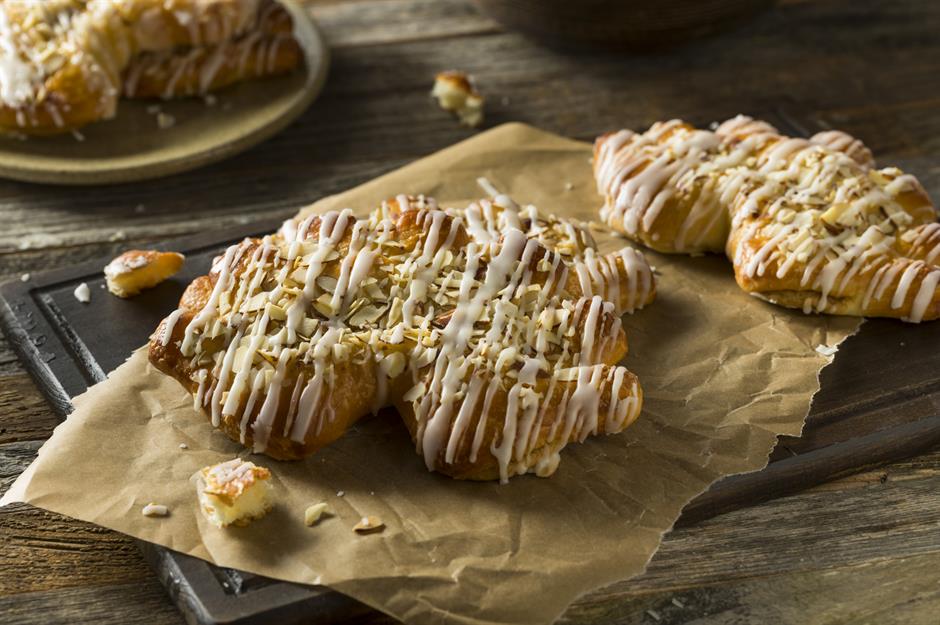
BeaverTail
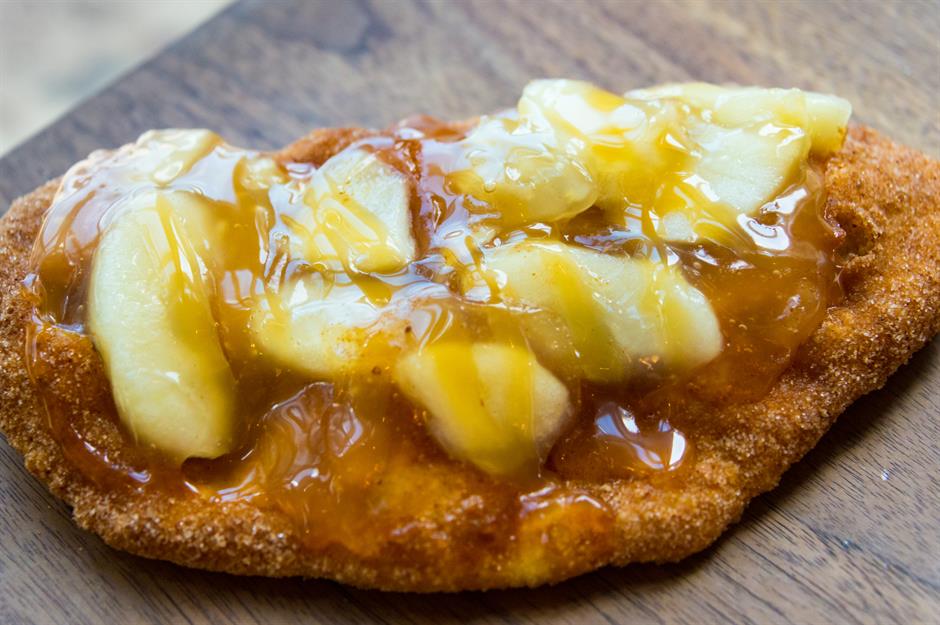
The only thing this hand-stretched, wheat doughnut has in common with an actual beaver tail is its flat, paddle-like shape. Legend has it the idea came from the 19th century, when actual beavers’ tails and bread dough flattened in the same shape (so it would cook quicker) were cooked over open flames. The name was trademarked by Ontario company BeaverTails Canada Inc. in 1978, and the doughnuts are typically deep fried and dusted with cinnamon, but alternative toppings such as caramel sauce and sliced banana have become hugely popular.
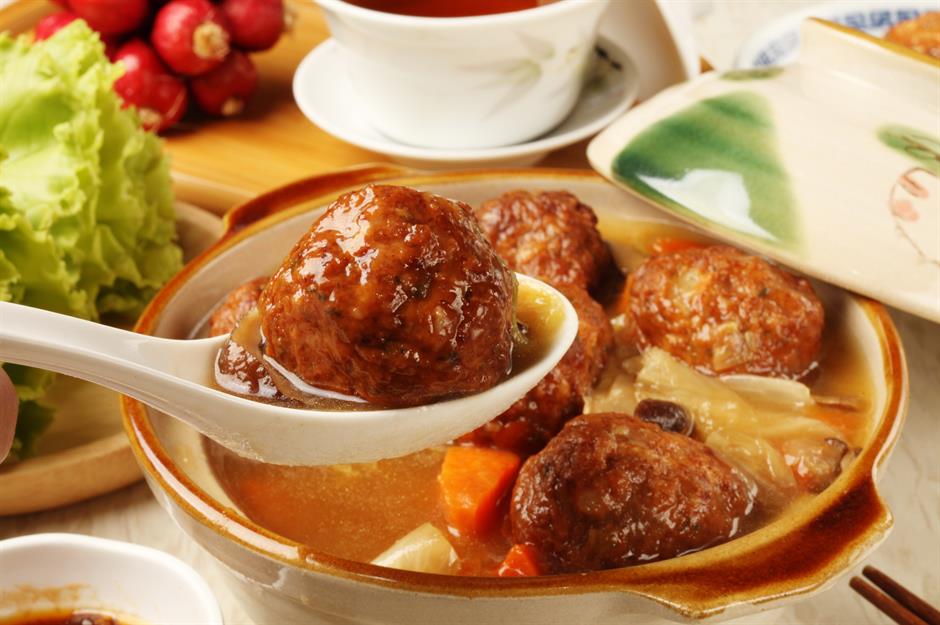
Lion's head
Sponsored Content
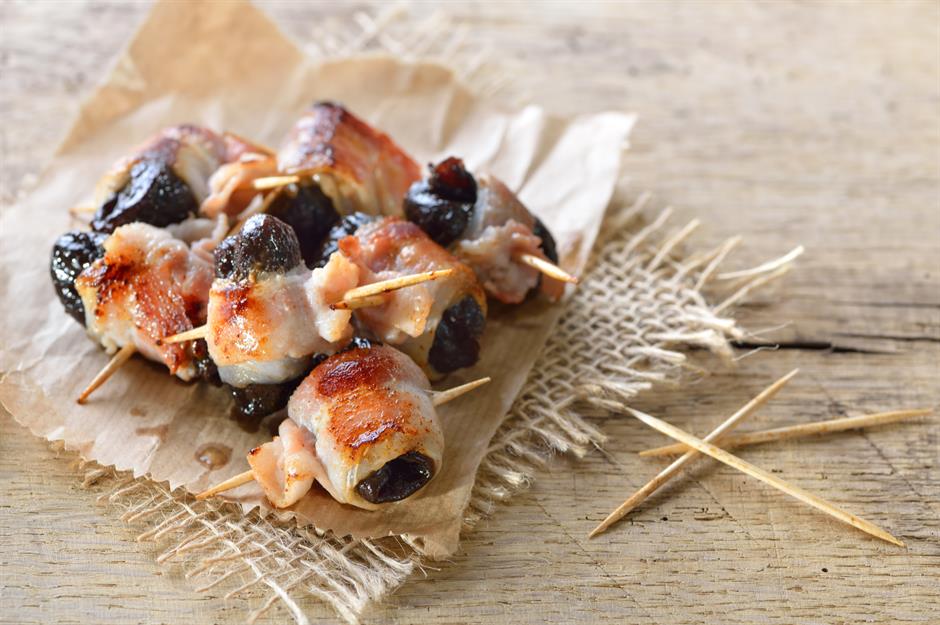
Devils on horseback
Angels on horseback
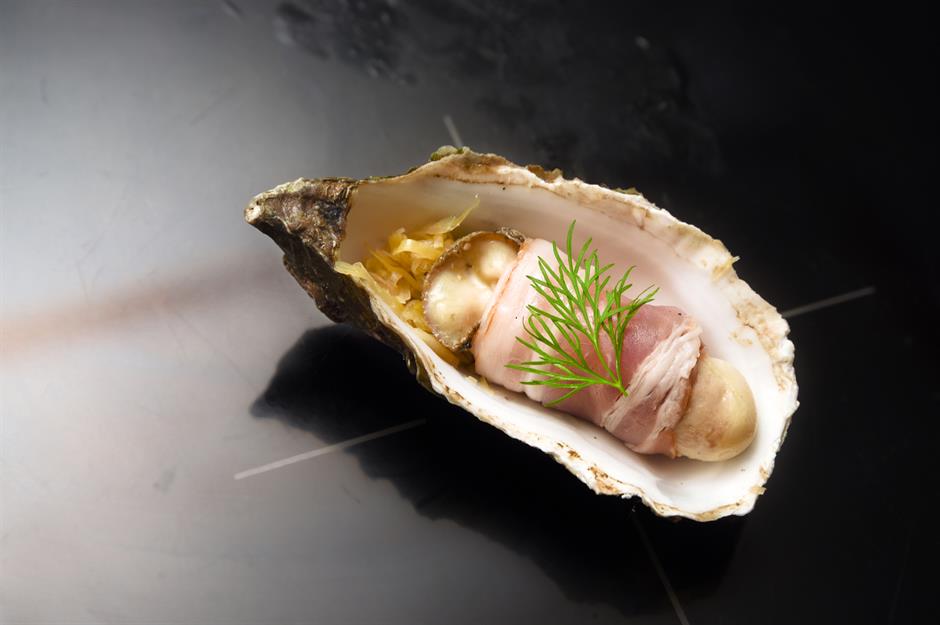
The saintly flipside to devils on horseback, the origins of these oysters wrapped in bacon are murky. Many believe the canapé was inspired by the French equivalent anges à cheval, invented in 1866, while others claim it evolved from a dish eaten by the English working class, when oysters were considered a poor man’s food.
Cat's tongue
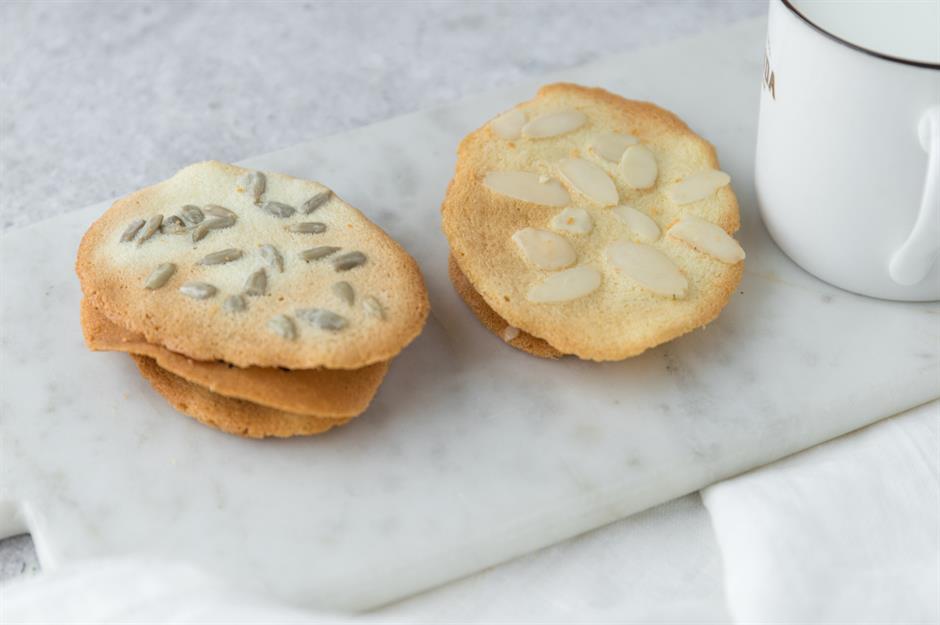
The cat might get your tongue if you read this on the menu of a Parisian café. But you won’t get its tongue, thankfully, because these are actually slender, crisp biscuits, often elongated and delicately curled. The langues de chat cookie is believed to originate in France, while the Dutch eat it as katte tong. For the traditional type, see 30 secret steps to the perfect cookies every time.
Sponsored Content
Bombay duck
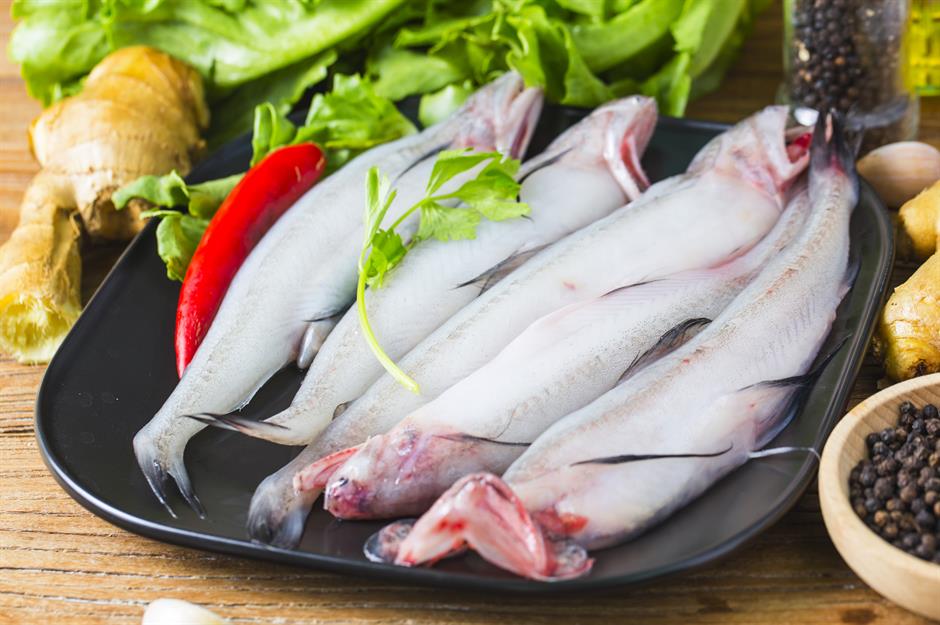
This duck dish doesn’t come with plum sauce, pancakes and skinny strips of spring onion. Or, in fact, duck. Because the main ingredient in Bombay duck, a popular Indian dish, is actually dried and fried bummalo or lizardfish. The origins of the name are mysterious, though one theory is that the smell reminded the British of the dank wooden floors of the Bombay Dak trains.
Herring in furs
Gunpowder tea
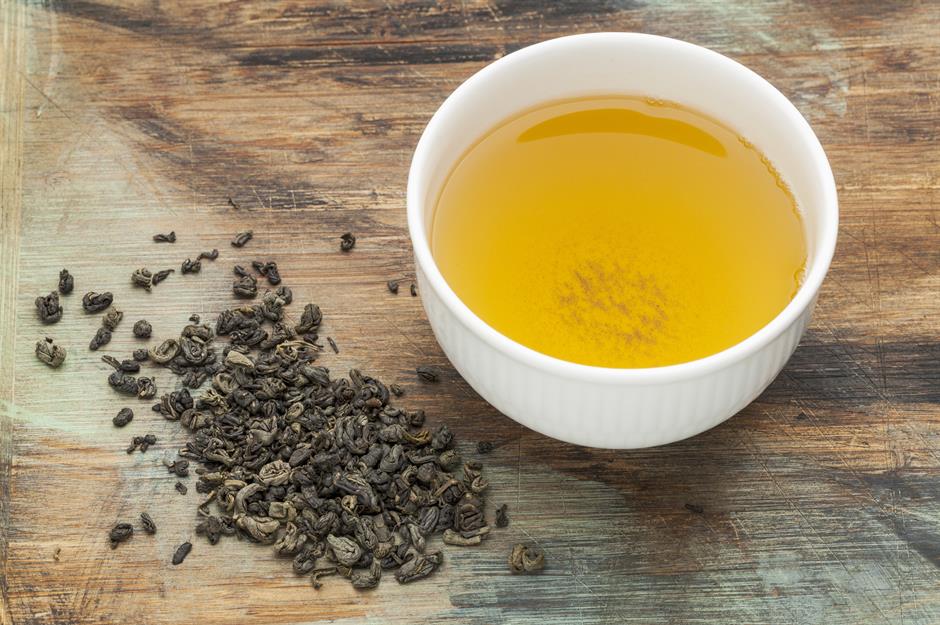
In China, this green tea from the Zhejiang Province is known as zhū chá or ‘pearl tea’. The English name compares the texture of the steamed and dried leaves, rolled into pellet shapes, to the flinty grains of gunpowder rather than elegant jewelry. Its production dates back to the Tang Dynasty, between AD 618 and 907.
Sponsored Content
Little pigeon
Scotch woodcock
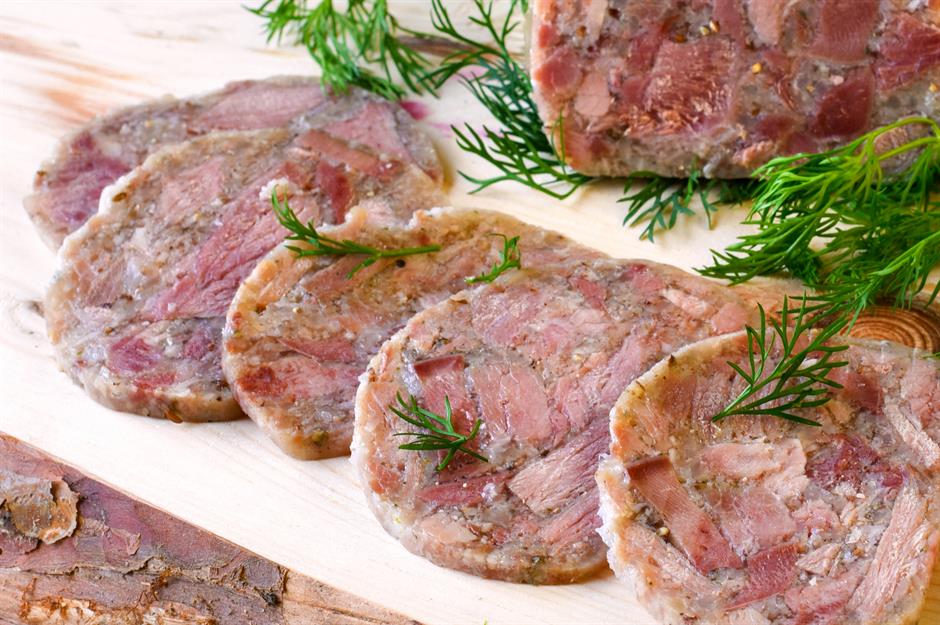
Headcheese
Sponsored Content
Fuzzy navel
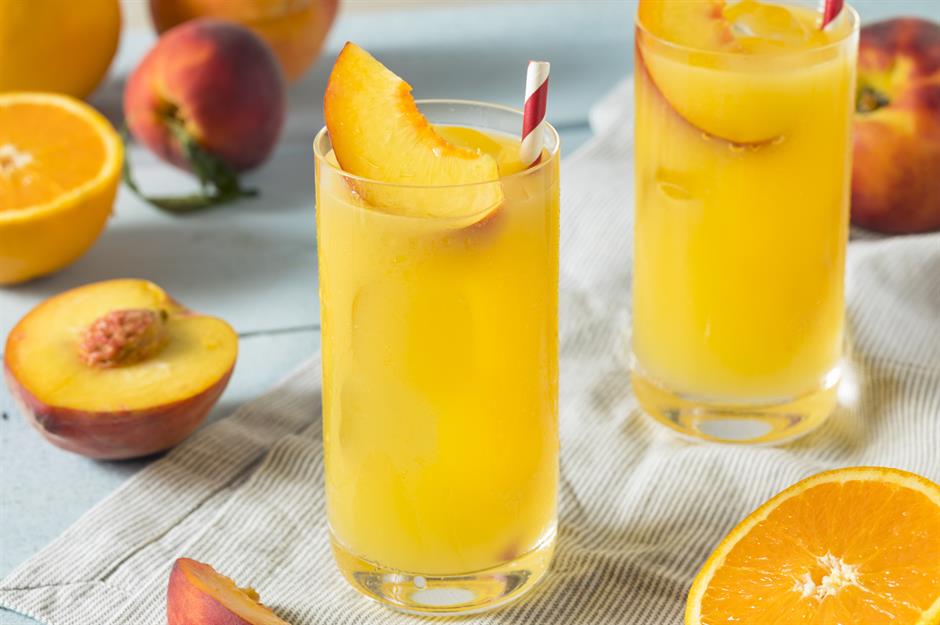
Similar to a screwdriver (that’s vodka and orange juice, not the household tool you can never find), a fuzzy navel is a combination of peach schnapps and OJ. Ray Foley, founder of Bartender magazine, named it when a customer remarked he could smell the ‘fuzz’ of the peach schnapps through the juice. Another navel-gazing fact for you: add an extra shot of vodka and you have a ‘hairy navel’, thanks to the increased potency of the alcohol. Discover more three-ingredient cocktails here.
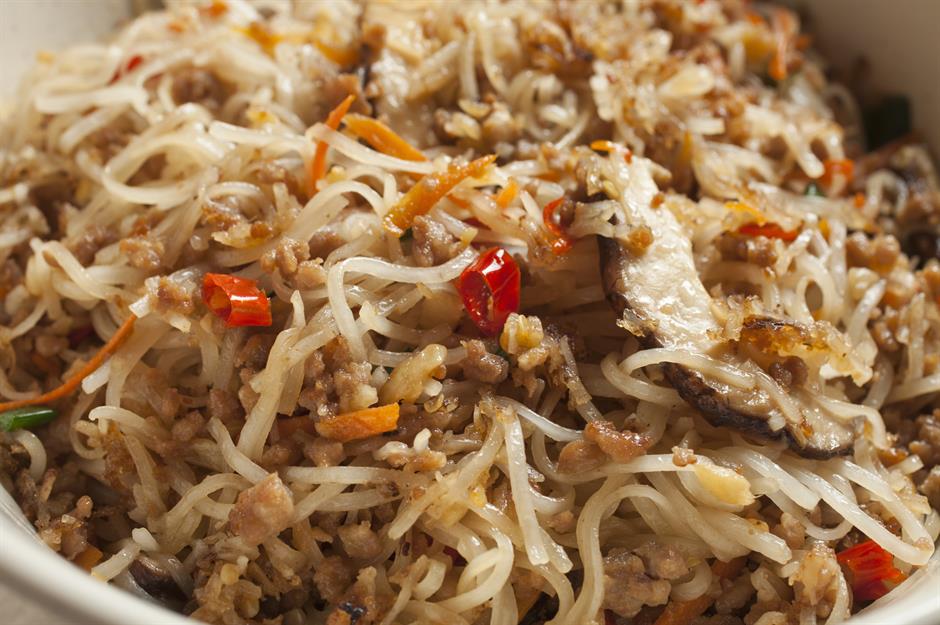
Ants climbing a tree
Ants on a log
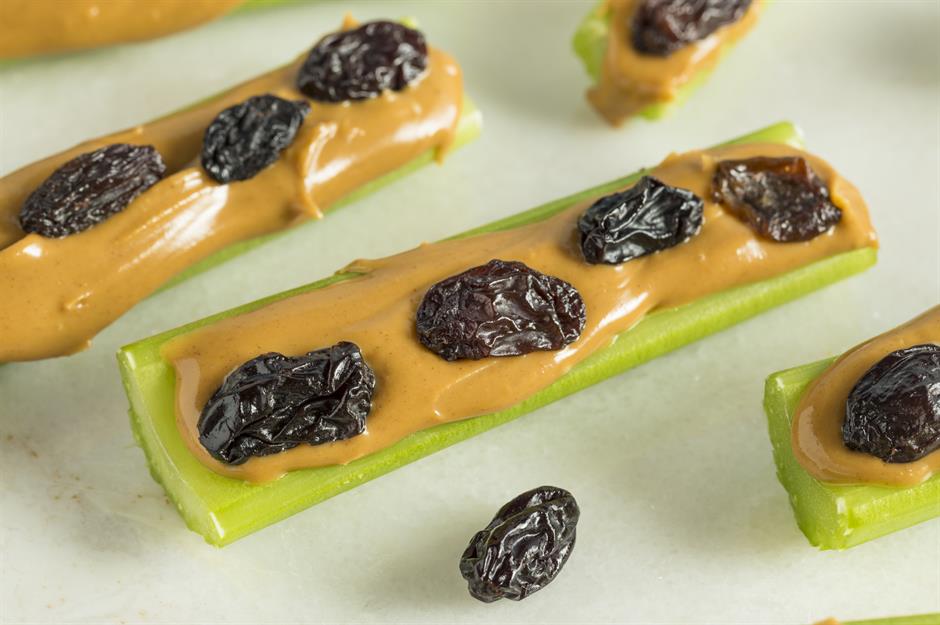
More ants. Yet, again, no ants at all. This healthy snack, popular across the US and Canada, is a stick of celery filled with peanut butter and dotted with raisin ‘ants’. Growing kids are their biggest fans.
Sponsored Content
Bear claw
Geoduck
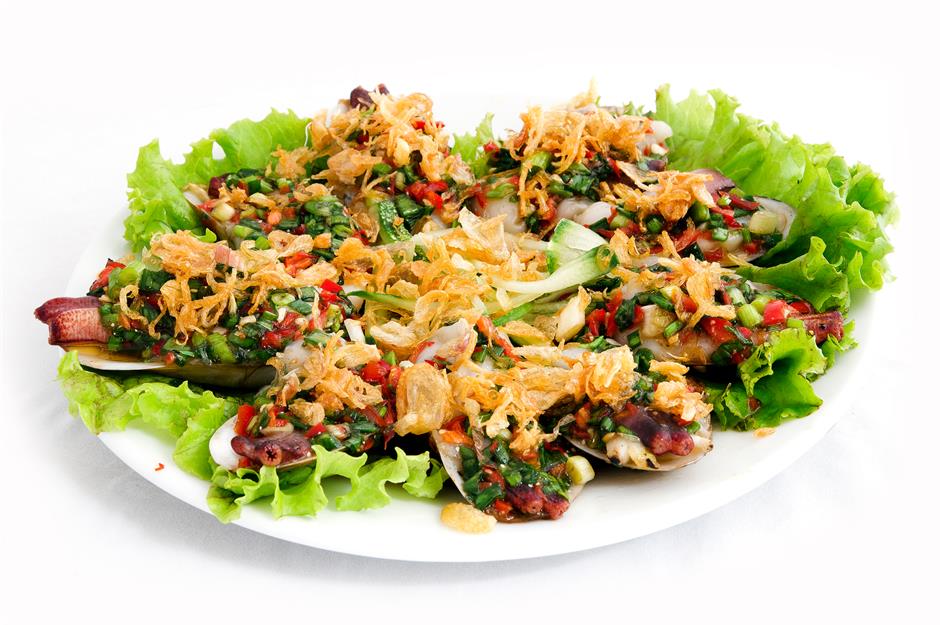
It sounds like a well-traveled waterfowl, but a geoduck is actually a huge, soft-shell clam with a long neck, usually dived for in the Pacific Ocean off Washington state and western Canada. Pronounced ‘gooey duck’, its sweet, clean taste and slight crunch are particularly prized in China and Korea, where it’s considered a delicacy.
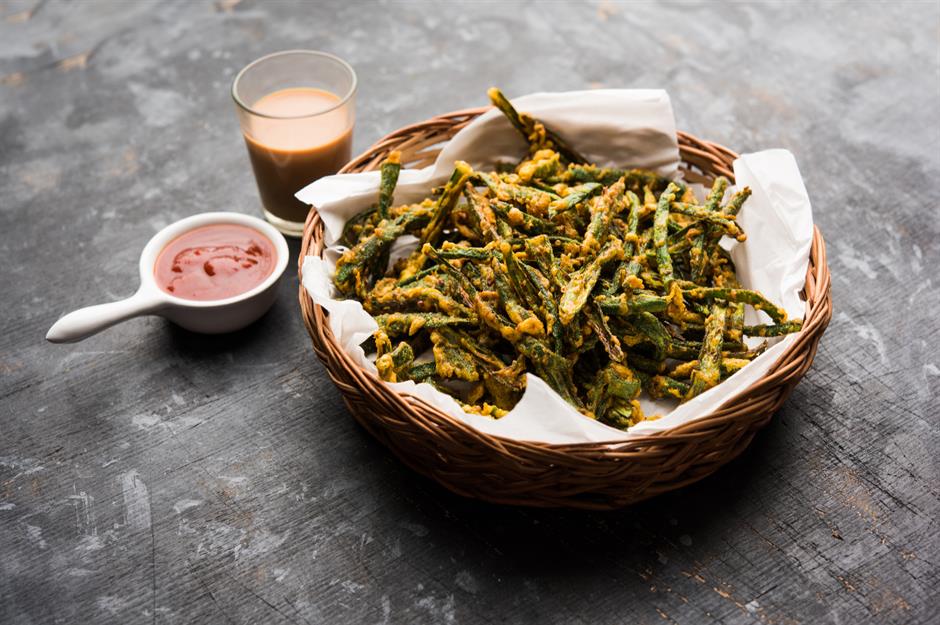
Ladies' fingers
Sponsored Content
Prairie oyster
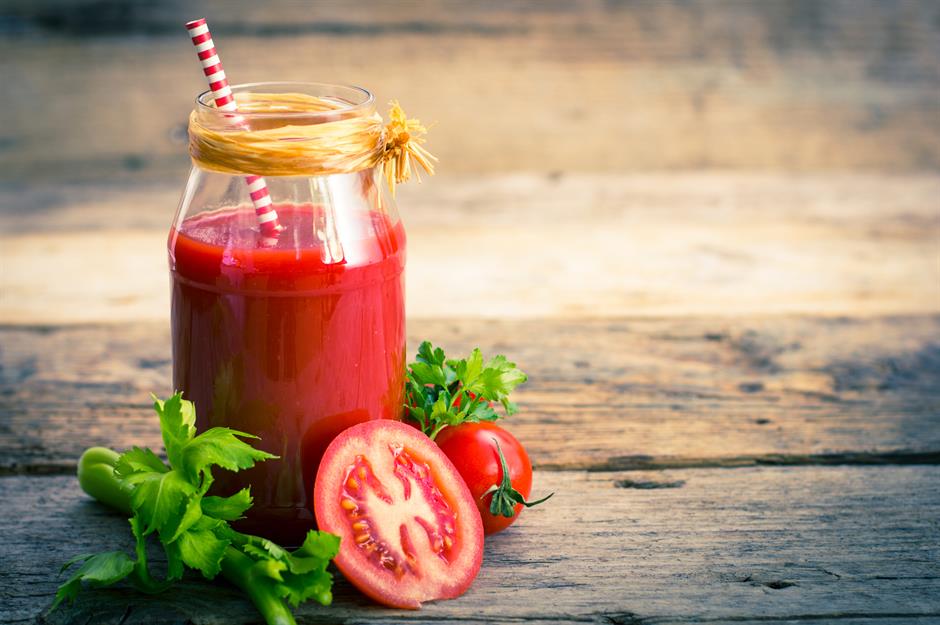
In the late 19th century, fuzzy headed New Englanders would knock back a raw egg yolk pepped up by chili and Worcestershire sauce after guzzling a few too many other drinks the night before. The exact origins are suitably foggy, but this short, sharp hangover cure has been a mainstay of popular culture since the turn of the 20th century, referenced in everything from PG Wodehouse novels to anime. It’s often whisked into tomato juice (pictured) so it slips down more easily.
Sweetbreads
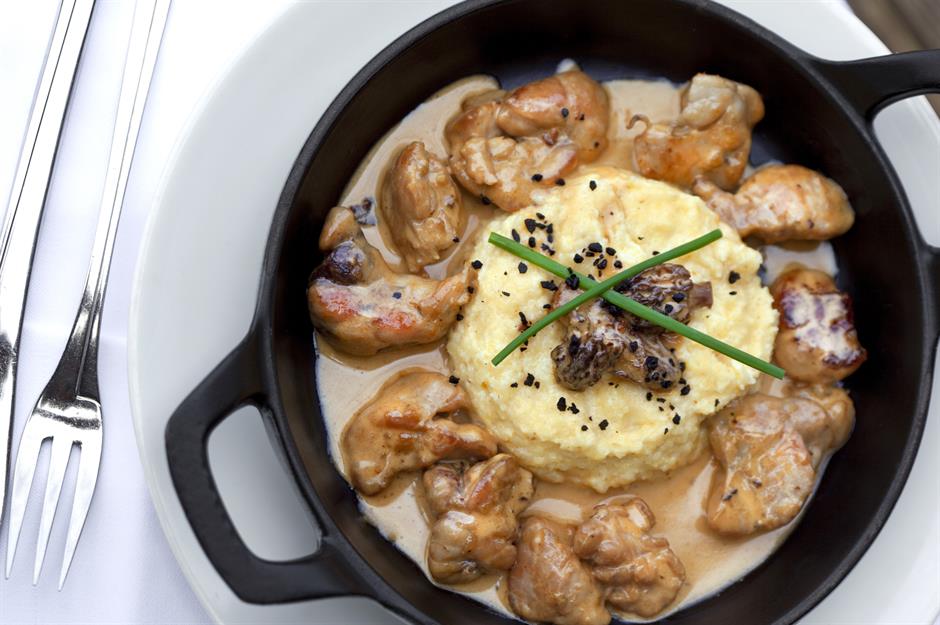
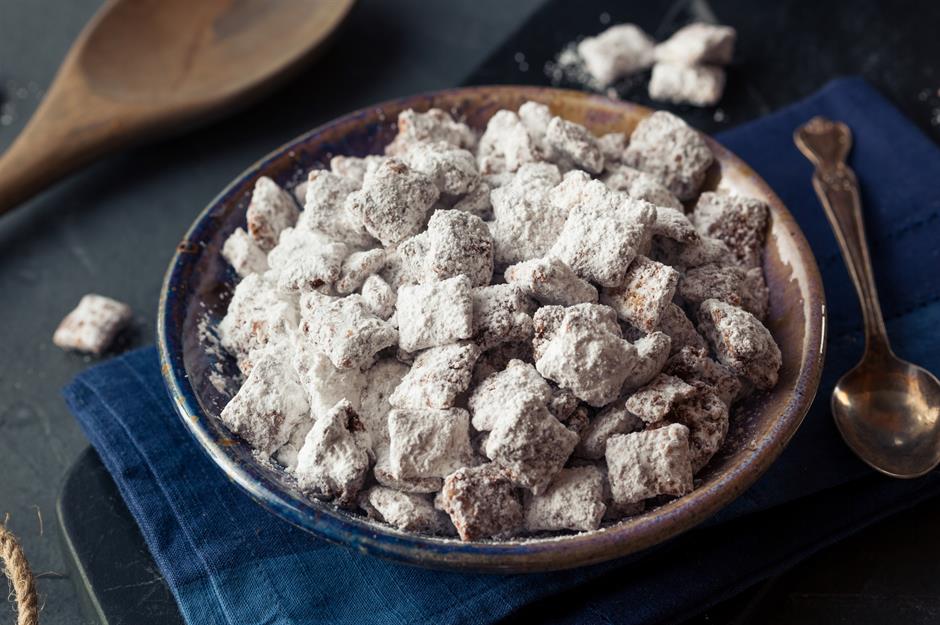
Puppy chow
Sponsored Content
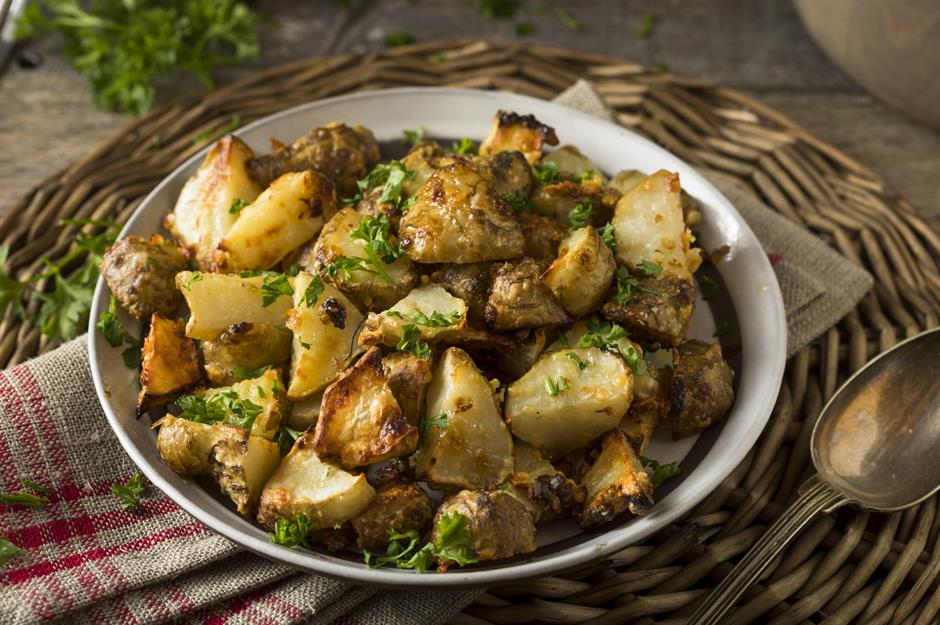
Jerusalem artichoke
Cowboy caviar
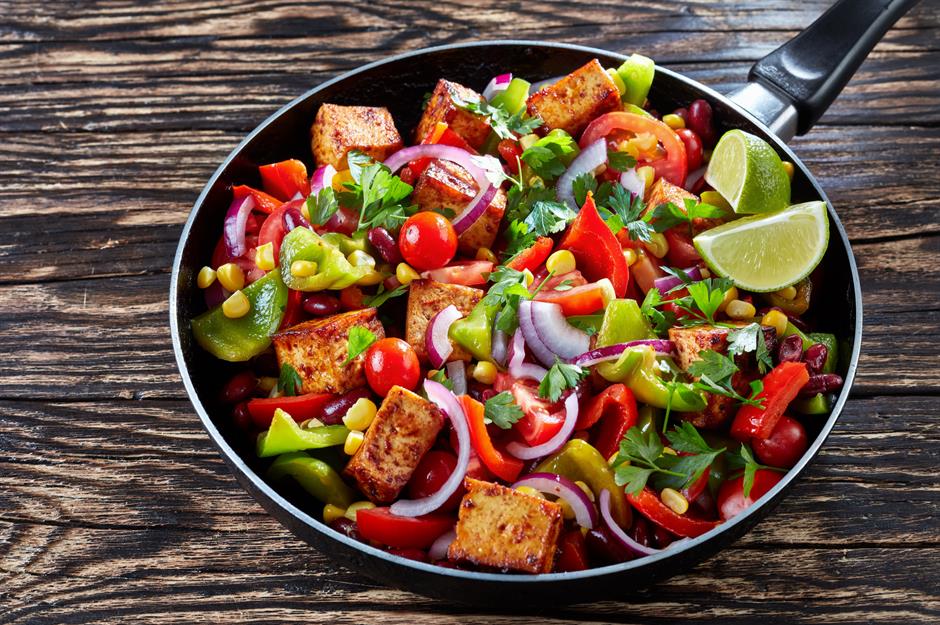
Neither ‘cowboy’ nor ‘caviar’ sounds particularly healthy, does it? You might expect a bowl of particularly good chili, or Sturgeon roe smoked over oak. Born in Texas (hence the name), it’s actually a vibrant, wholesome mix of black-eyed peas, beans and crunchy veg, dressed with lime juice, vinegar and honey and eaten as a salad or dip.
Now check out the best retro diner in every state
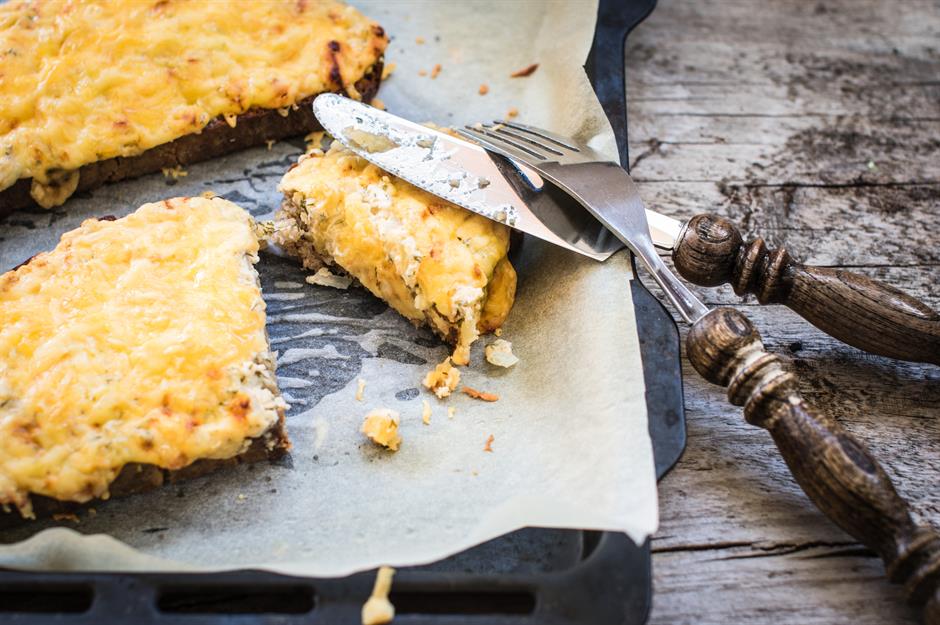
Welsh rabbit
Sponsored Content
Grits
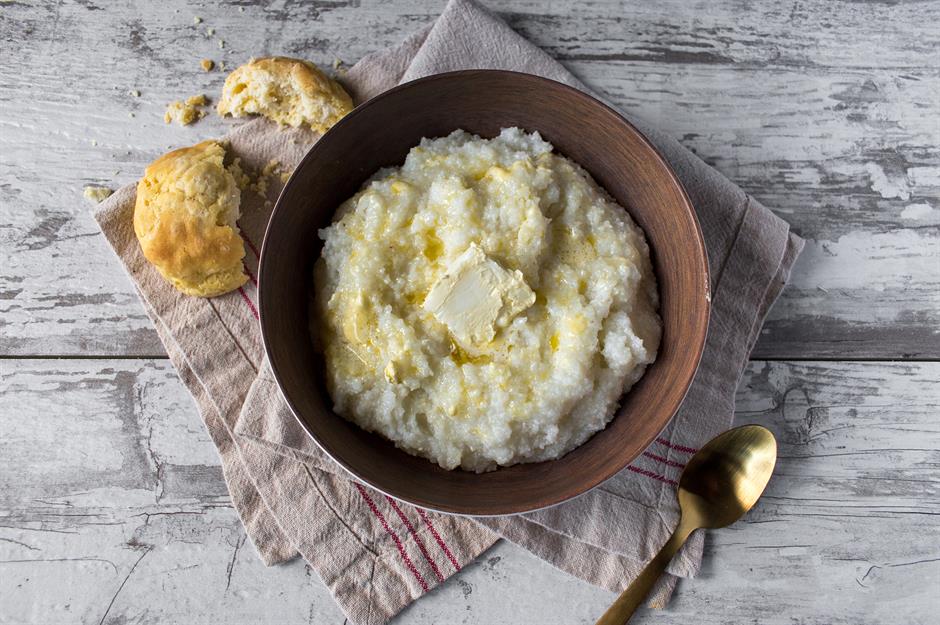
Not dirt, but corn, ground and boiled to a porridge-like consistency. Grits are a real breakfast staple in the US, especially the southern states, and even eaten for dinner with barbecued shrimp. Originating in Native American communities, their deliciousness depends largely on what’s added. Like polenta, creamy grits are a great vehicle for flavors, with cheese, herbs and bacon commonly stirred through or sprinkled on top.
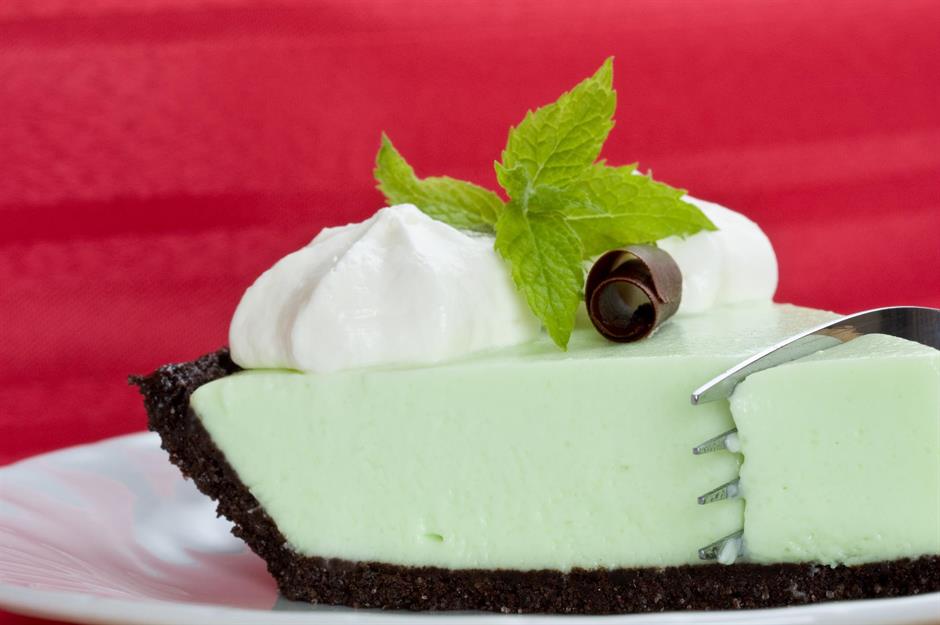
Grasshopper pie
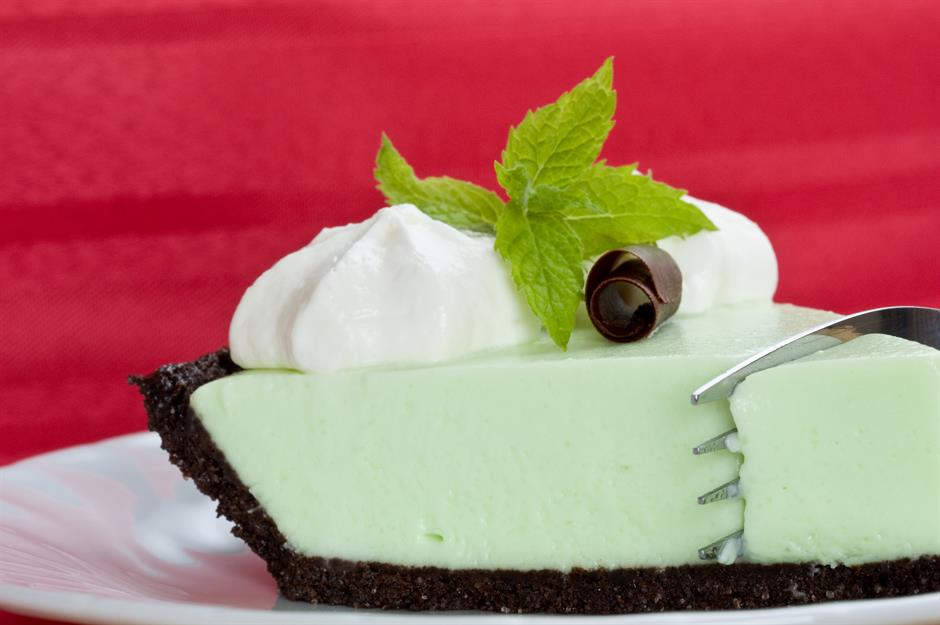
Insects may be popping (or hopping) up on lots of menus nowadays, but this is a rather more old-fashioned dish. A vibrant green chiffon cream, infused with mint liqueur crème de menthe, is poured into a crust made with crushed Oreo cookies. The US dessert is believed to date back to the 1950s, named after the green cocktail invented in New Orleans around the same time.
Read more: Food fads from the year you were born
Comments
Be the first to comment
Do you want to comment on this article? You need to be signed in for this feature