UNEDITED The riskiest places to buy a home in the USA (copy)
America's most perilous locations for property owners
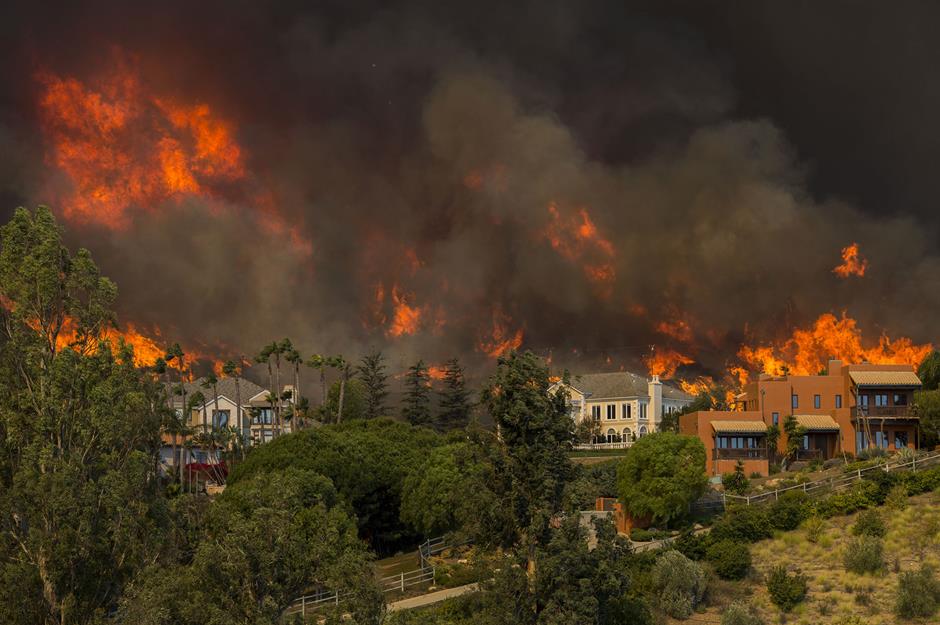
Vulnerable to everything from hurricanes, tornadoes, and nor'easters to earthquakes, wildfires, and flooding, the US is among the worst-effected countries in the world when it comes to natural disasters, but some parts of the nation are more susceptible to the destructive fury of Mother Nature than others. Buying a home in these calamity-prone hotspots is risky, to say the least. With climate change increasing the frequency and severity of damaging weather-related events, here are the 15 most perilous places to purchase property in America.
Cape Hatteras, North Carolina
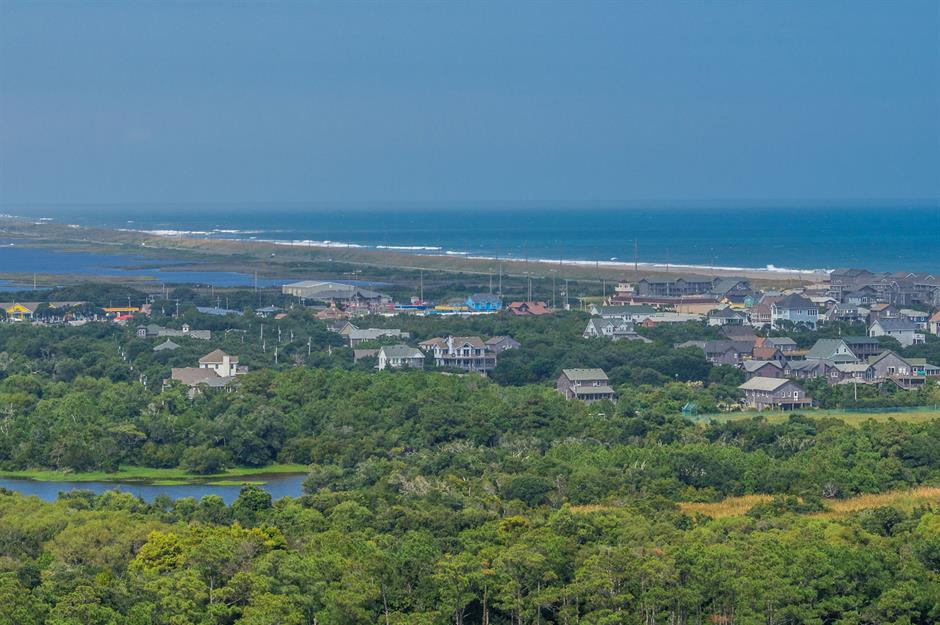
Located in the bend of North Carolina's Hatteras Island, top attractions in Cape Hatteras include beautiful beaches and sand dunes, along with the much-visited eponymous lighthouse. The lion's share of residents live in Buxton, an adorable small town filled with pretty clapboard cottages, charming cafes, restaurants, and characterful boutiques. Property is on the expensive side, with Zillow putting the typical home value at $271,169, above the US average. What's more, buildings certainly need to be built to last here.
Cape Hatteras, North Carolina
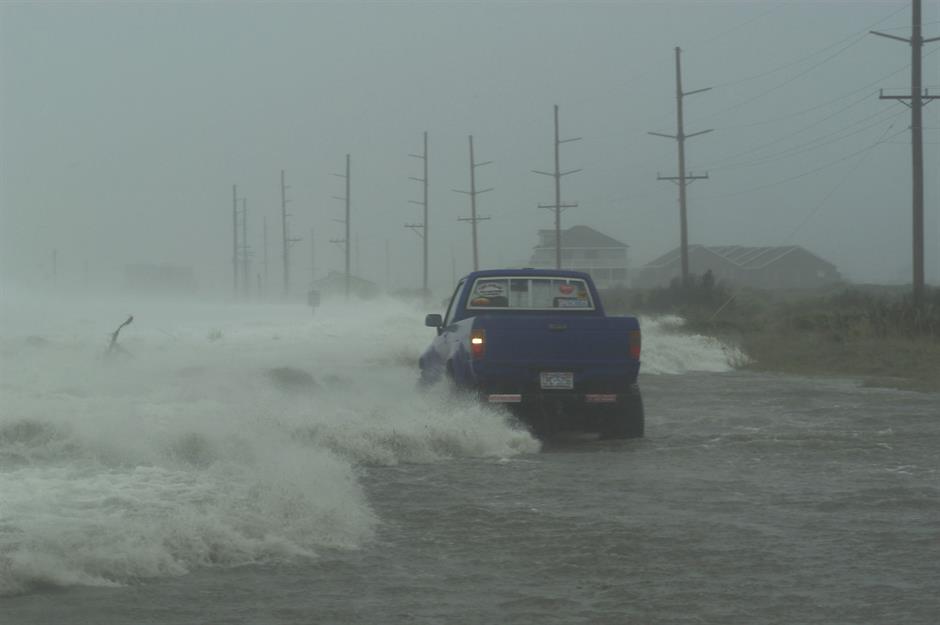
Situated close to the Gulf Stream, Cape Hatteras is among the most hurricane-prone places in America. According to records dating back to the 19th century, the exposed cape is frequently brushed by low pressure systems and experiences a tropical storm or full-on hurricane every few years on average. Major storms that have battered Cape Hatteras this century include Hurricane Dorian in 2019, Hurricane Arthur in 2014, Hurricane Ophelia in 2005, and the catastrophic Hurricane Isabel in 2003.
Sponsored Content
Atlantic City, New Jersey
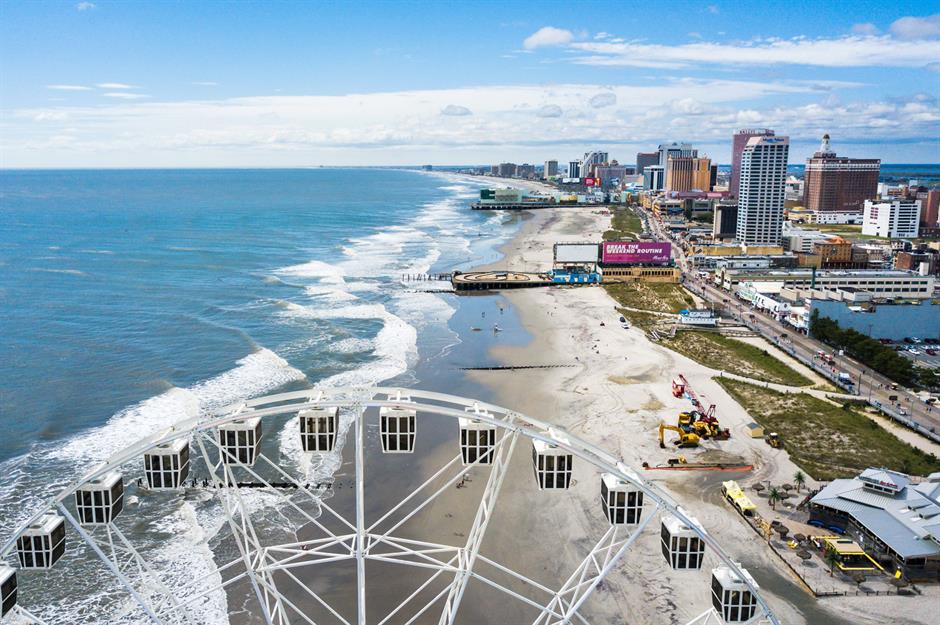
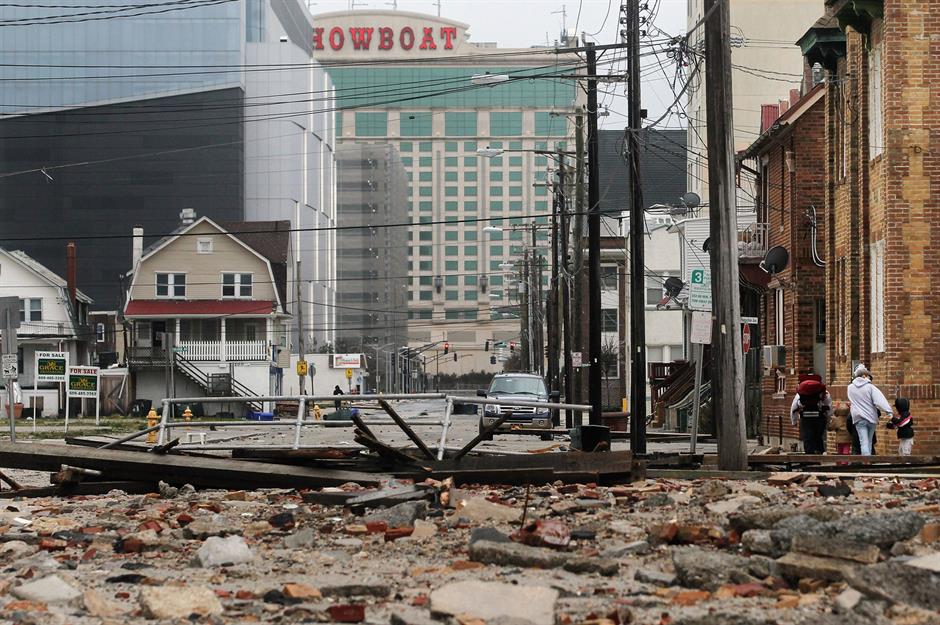
Rammed with casinos, restaurants, bars, and nightclubs, and famed for its boardwalk and beach, Atlantic City is anything but dull. America's Playground has a softer side, however, with plenty of quiet residential streets and tranquil parks. Easy on the bank account, the average home value in the coastal resort city is a modest $114,640 according to Zillow. But it's not all fun and games.
Atlantic City, New Jersey
Cape Coral, Florida
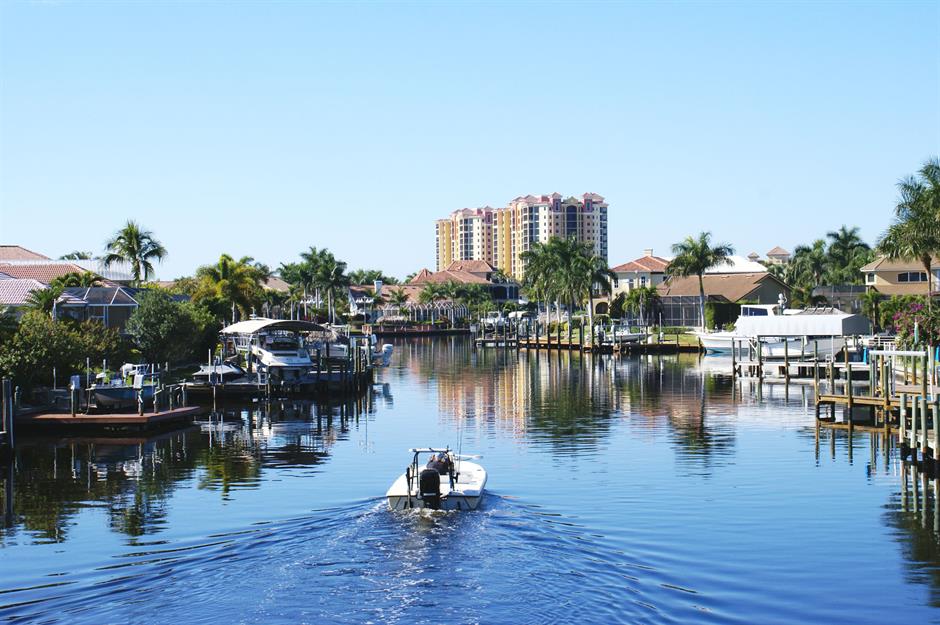
Cape Coral on Florida's Gulf Coast was developed as a planned waterfront community and has become one of America's fastest-growing cities. The Sunshine State's answer to Venice, it is said to have more miles of canals than any other city on Earth and boasts stunning beaches, a great choice of stores and restaurants, good schools, and a typical house price of $244,530 according to Zillow's data, which is lower than the Florida average. The good news stops there though.
Sponsored Content
Cape Coral, Florida
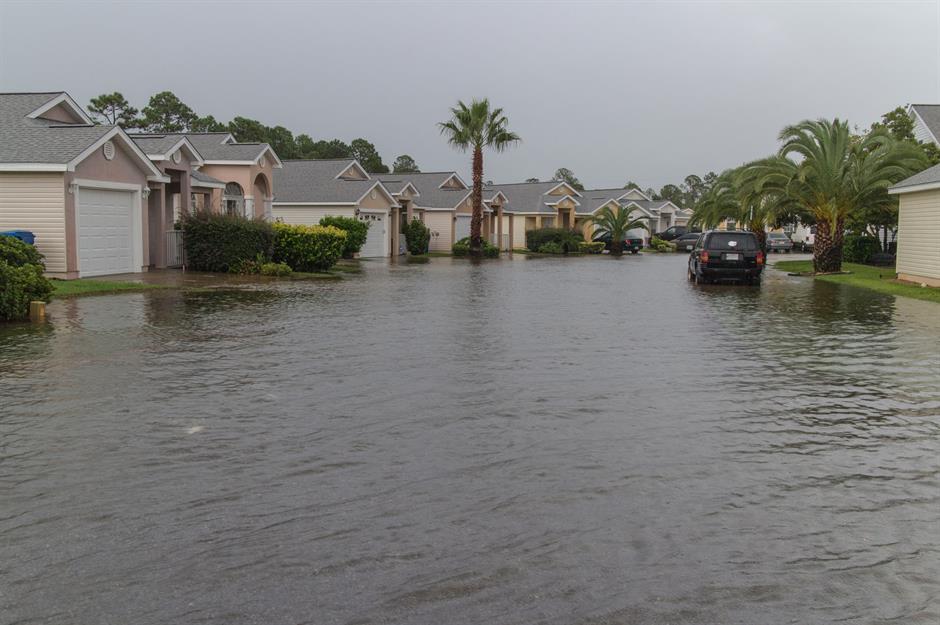
Constructed on reclaimed swampland, Cape Coral has been described as 'the boomtown that shouldn't exist'. The city has more homes at substantial risk of flooding than any other place in the US according to a 2020 study and could even be wiped off the map if a powerful enough hurricane were to make a direct hit. Battling for survival against the sea, comprehensive flood insurance is mandatory for homes in the highest-risk areas.
Beaumont, Texas
Beaumont, Texas
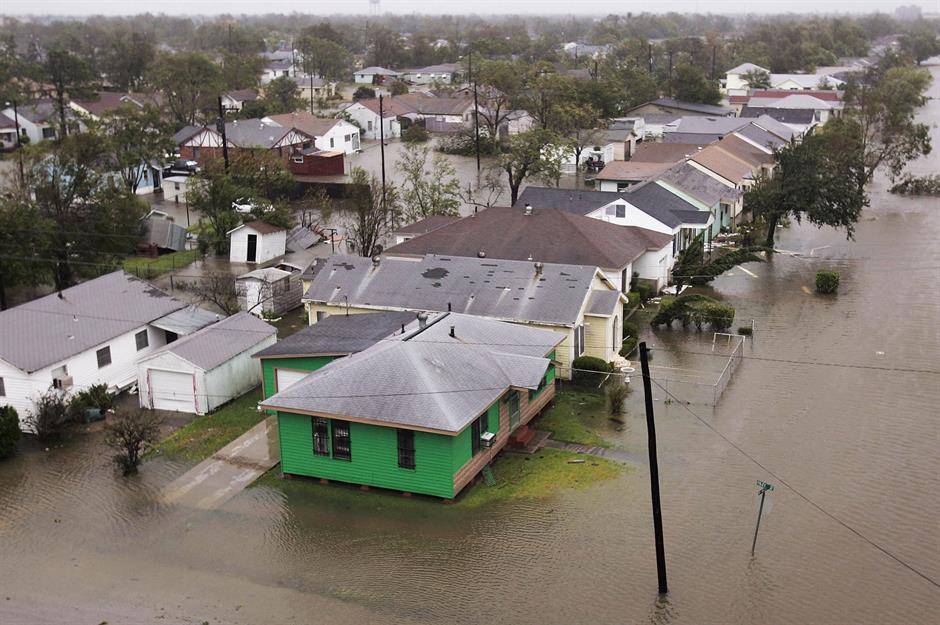
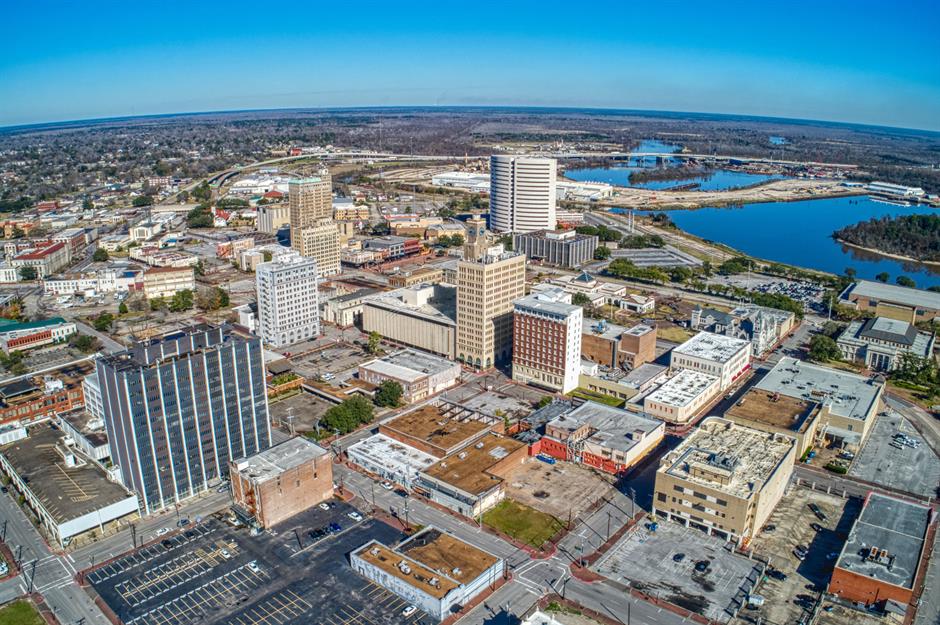
Texas has more declared a whopping 354 natural disasters since 1953 according to the Federal Emergency Management Agency (FEMA) and Beaumont is particularly susceptible to extreme rainfall events. These torrential downpours cause widespread flooding and are set to increase in occurrence and intensity with climate change. Tropical Storm Imelda dumped exceptionally heavy rain on the city in September 2019, and parts of Beaumont experienced flash flooding in May 2020 after 10 inches fell in the space of 24 hours.
Sponsored Content
New Orleans, Louisiana
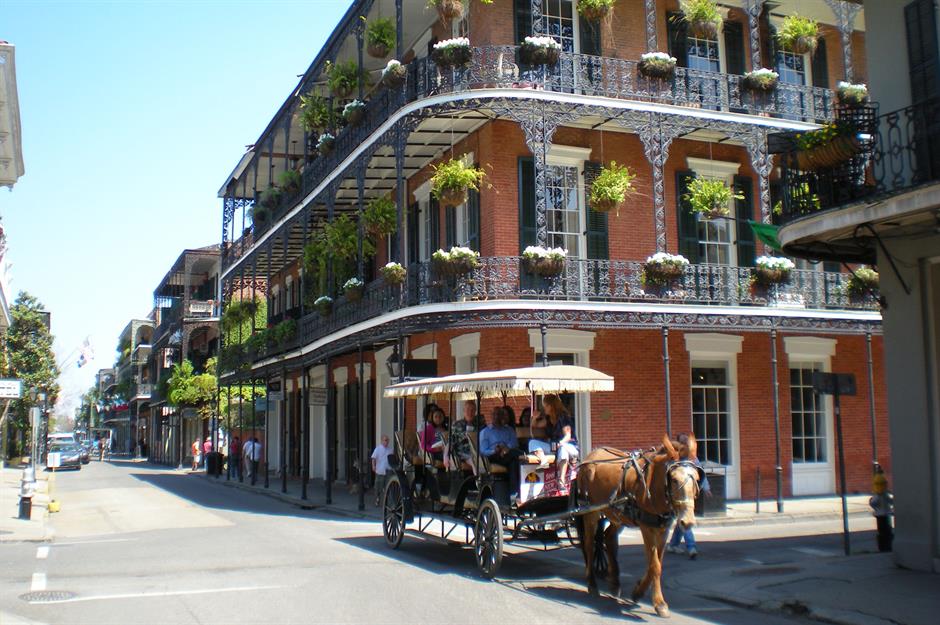
The Big Easy has much in its favor, from unique cultural traditions, cuisine, and music to historic architecture and some of America's coolest neighborhoods. Unlike many other major US cities, house prices in New Orleans are below the national average, with the typical home worth $240,091 according to Zillow. However, its hazardous location may put off some people mulling a move to the Louisiana city.
New Orleans, Louisiana
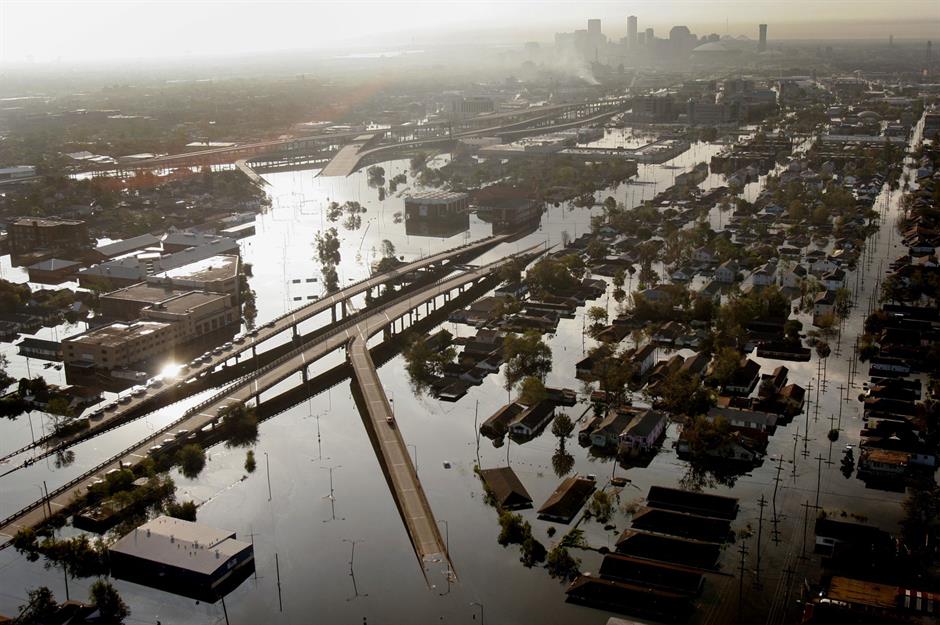
With much of New Orleans lying below sea level on soil that is prone to subsidence, the city is extremely vulnerable to flooding caused by hurricane storm surges, torrential rain, and rising sea levels. Hundreds of miles of floodwalls, levees, and other sea defenses were constructed after Hurricane Katrina devastated the city in 2005, but many experts believe a lot more needs to be done.
North Cove, Washington
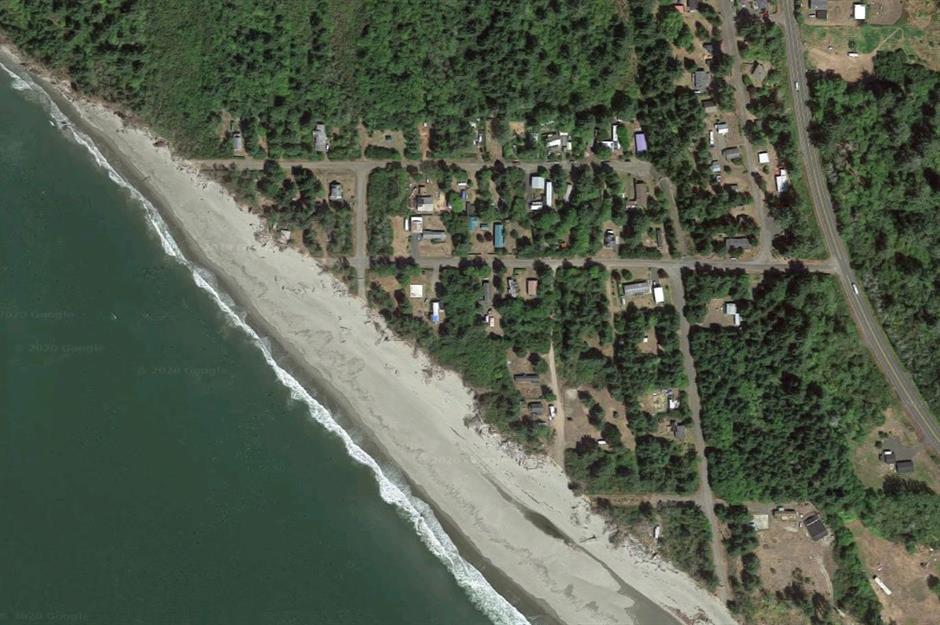
The out-of-the-way town of North Cove is situated on the picturesque north shore of Willapa Bay in southwest Washington. Being on the small side, the community doesn't have much in the way of amenities apart from a general store, but the boundless fishing, hiking, outdoor activities and priceless views more than make up for this. Zillow lists the typical price of a home here at $163,347, but there's one major snag.
Sponsored Content
North Cove, Washington
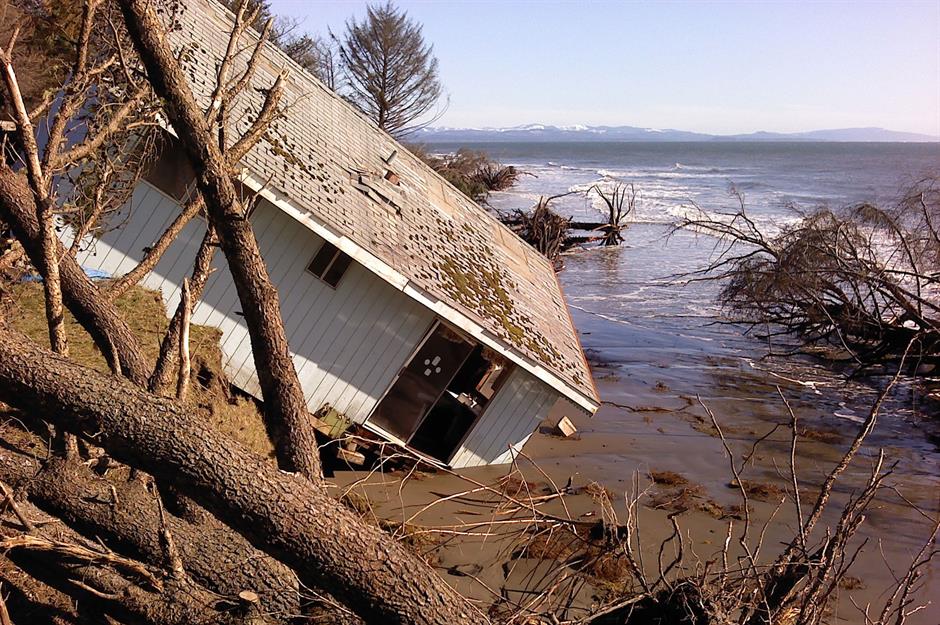
The fastest-eroding place on the West Coast, North Cove is literally sinking into the ocean. According to the Office for Coastal Management, 100 feet of shoreline is swept away from the town, aptly nicknamed Washaway Beach, every year, while scores of homes, a school, lighthouse, and other buildings have been claimed by the Pacific since the community's founding in the late 19th century. Plans are afoot to shore up North Cove's sea defenses but whether this will be sufficient to stave off the town's total destruction is open to question.
Newport, Oregon
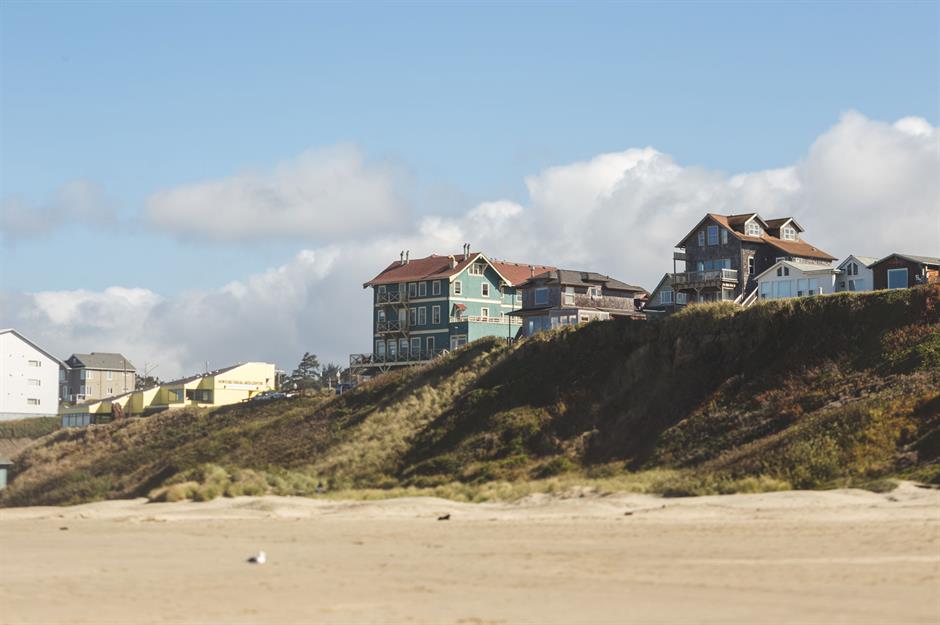
Staying with West Coast communities, Newport is an offbeat delight on Oregon's rugged shoreline thanks to its oddball museums, quirky shops, restaurants, and craft breweries, particularly in the Nye Beach neighborhood. The typical house price according to Zillow is above the nationwide average at $320,158. However, for residents and visitors alike, knowing exactly where the nearest area of high ground is located is a must.
Newport, Oregon
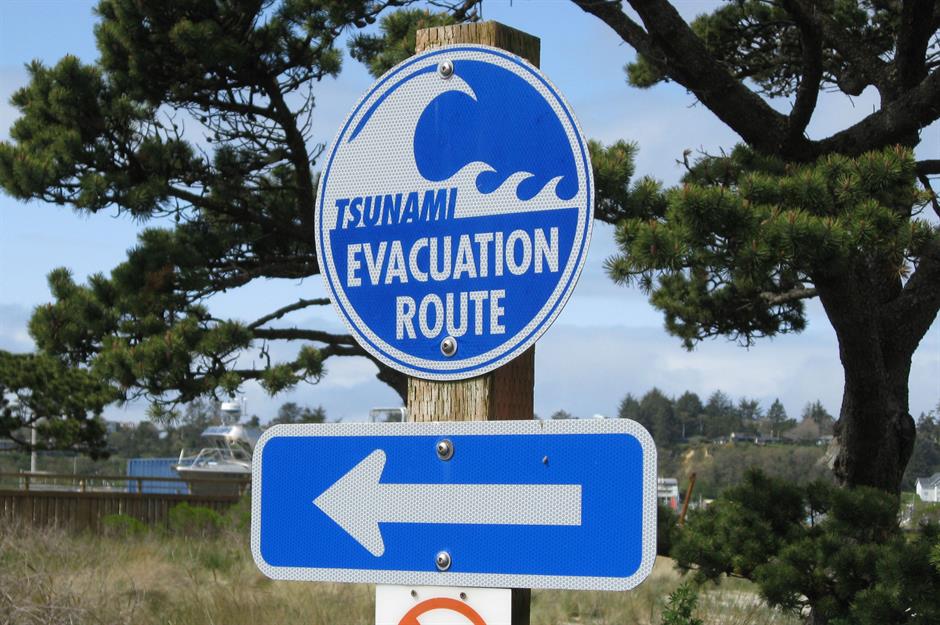
Like other communities along the Oregon and Washington coasts, a report from FEMA states low-lying Newport could be swamped by an enormous tsunami when the much-feared Cascadia quake, the 'Really Big One', hits. Research by the state of Oregon shows the probability of it striking within the next 50 years is 37%, with the city's risk around 100 times higher than the risk of a tornado landing anywhere in the US.
Sponsored Content
Moore, Oklahoma
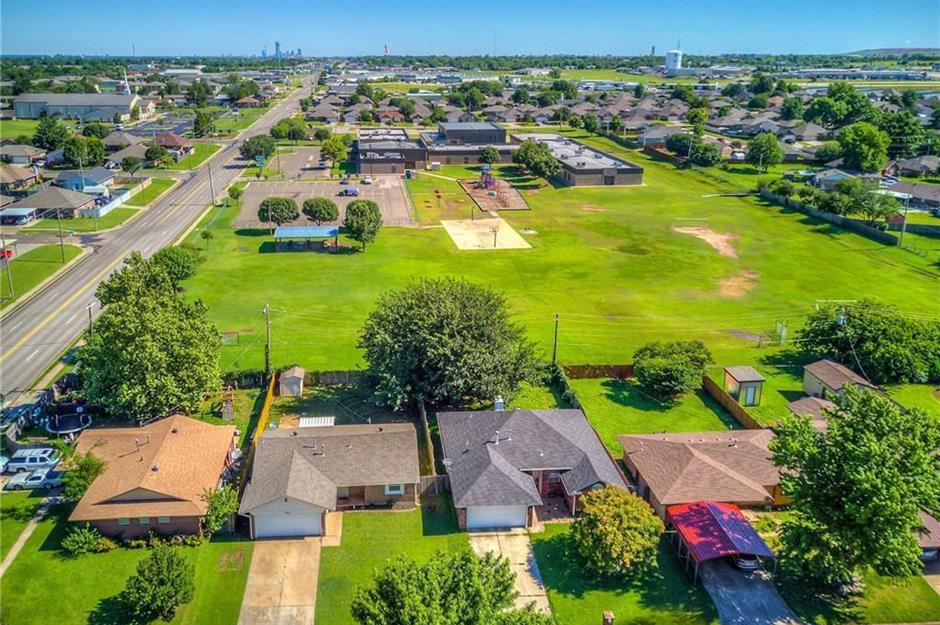
Blessed with spacious homes, expansive parks, excellent schools, a farmers' market, plus plenty of leisure amenities, the sleepy, family-friendly suburb of Oklahoma City is regarded as one of the best places to live in the Sooner State. Adding to the area's appeal, the typical house price in Moore is far below national figures, with Zillow putting the average property value at $160,830, meaning you can get a big home for tiny bucks. There's just one catch...
Moore, Oklahoma
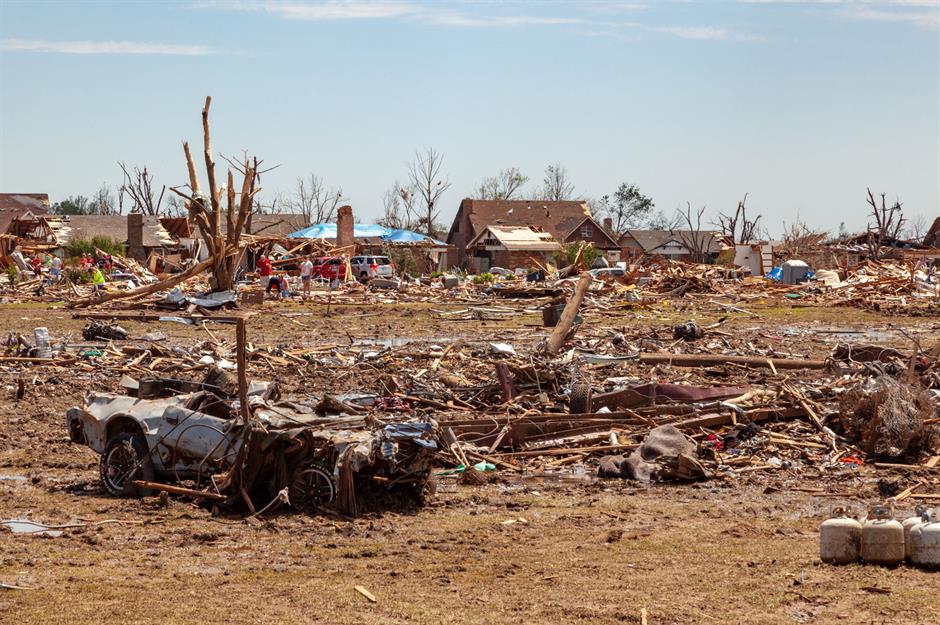
Moore is 'the Tornado Alley of Tornado Alley', with more than a hundred twisters having ravaged the area over the decades. The deadliest touched down on 3 May 1999 and killed scores of people, one of a series of nearly 60 tornadoes across the state, the largest outbreak ever recorded in Oklahoma according to the National Weather Service. However, the most destructive twister struck on 20 May 2013, killing 24 people and leveling entire neighborhoods, including 1,150 homes, causing an estimated $2 billion worth of damage.
Tulsa, Oklahoma
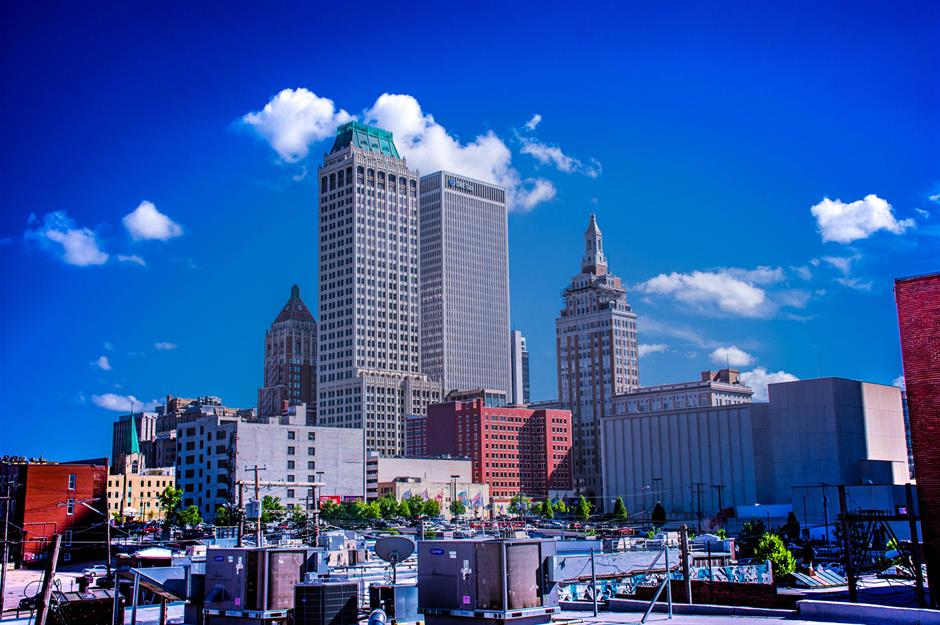
A big city with a small-town vibe, Tulsa has a strong sense of community. Along with a buzzing entertainment scene, numerous recreation options, decent shopping, schools and hospitals, this makes the Midwest city super-livable, as does the low cost of housing – the average home price according to Zillow is only $136,967. It's not all sunshine and rainbows though.
Sponsored Content
Tulsa, Oklahoma
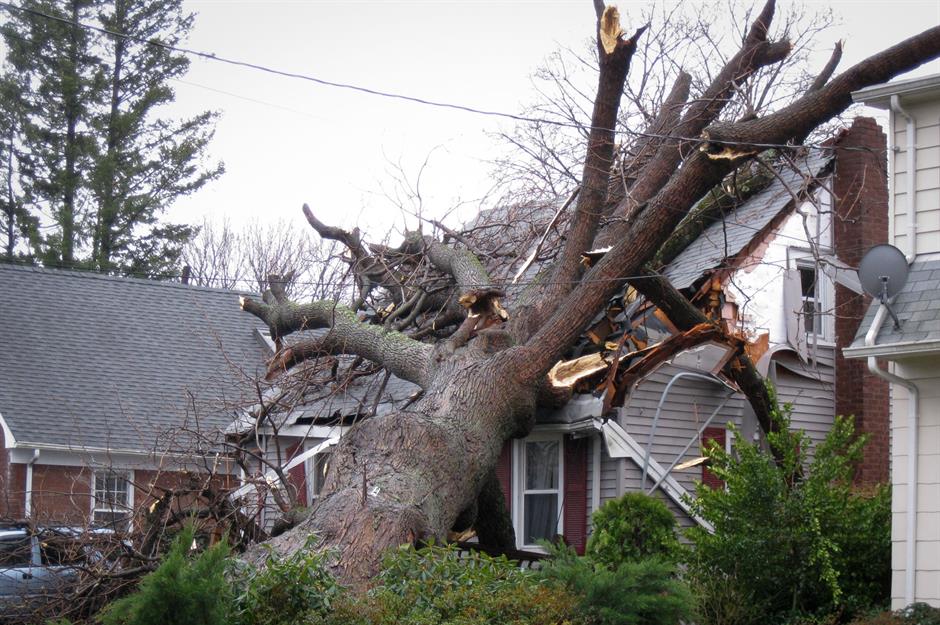
As well as having to deal with twisters – the city is located in Tornado Alley after all – Tulsa is situated in the part of America that is most prone to derechos, a type of wind storm often accompanied by fast-moving showers or thunderstorms, with four ripping through the region every three years on average, according to the National Weather Service Storm Prediction Center. While nowhere near as devastating as a powerful hurricane or tornado, these violent storm systems can damage and even destroy robustly built homes.
San Francisco, California
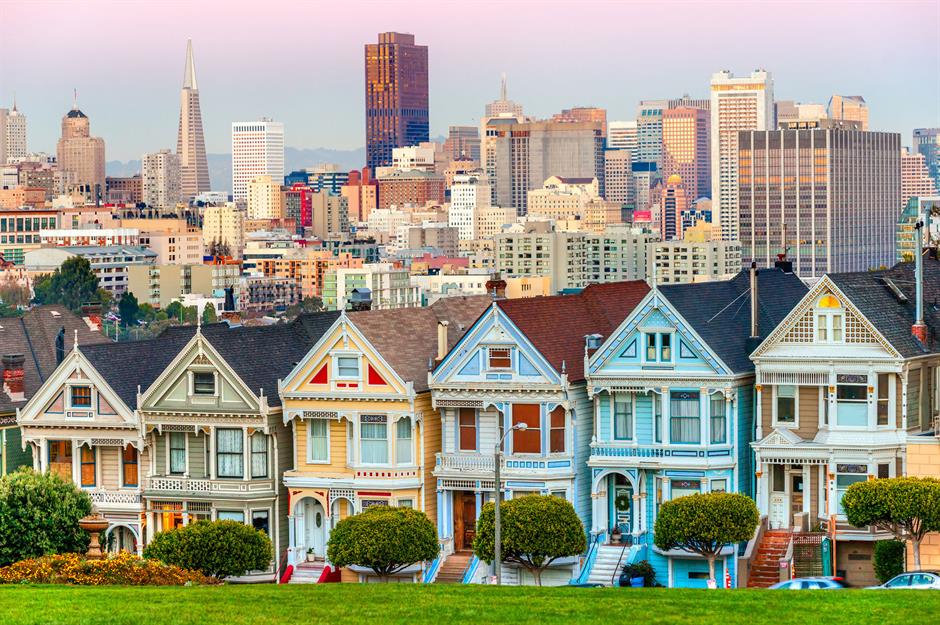
San Francisco is admired the world over for its eclectic architecture, cable cars, and iconic Golden Gate Bridge, as well as for its laid-back, cosmopolitan atmosphere. But living here isn't for the budget-conscious, with the typical home in one of America's most expensive cities coming in at $1.4 million, according to Zillow. As well as coping with hefty mortgages and eye-watering rents, San Franciscans have one other big threat to worry about.
San Francisco, California
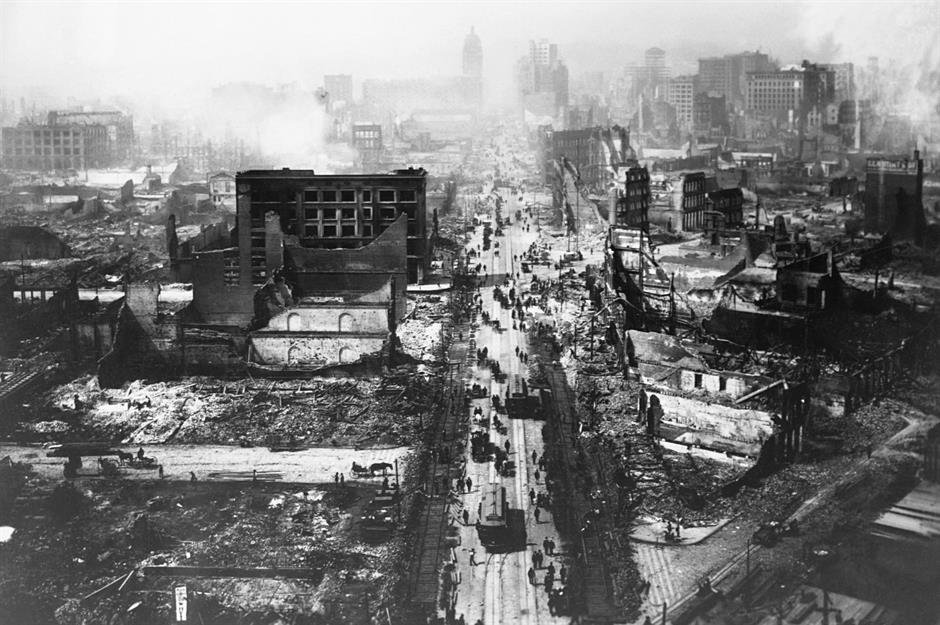
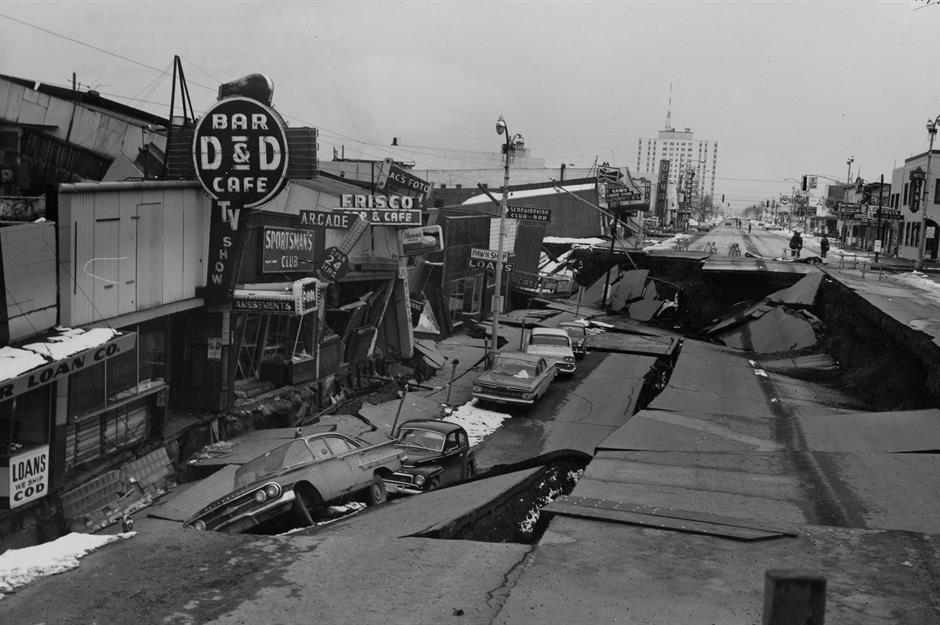
Yes, you've guessed it, the city's earthquake risk. Over 80% of San Francisco was destroyed in the catastrophic 1906 earthquake, while the last major shaker to hit, the Loma Prieta earthquake of 1989, caused an estimated $6 billion in property damage. And it's not a case of if, but when, the so-called 'Big One' will strike again. In fact, experts at the United States Geological Survey (USGS) predict the wider Bay Area has a 72% chance of being struck by a quake of magnitude 6.7 in the next 30 years.
Sponsored Content
Charleston, South Carolina
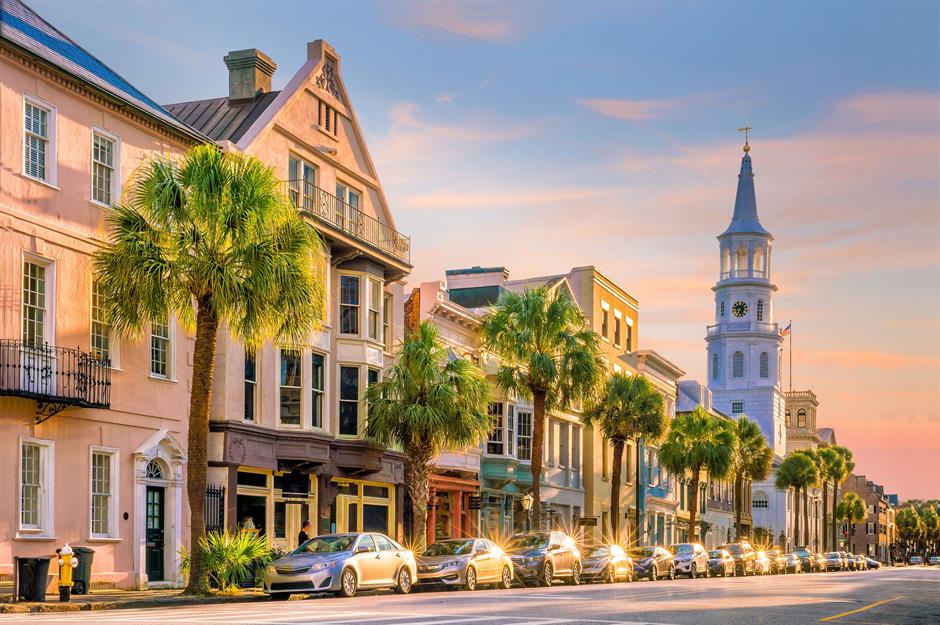
Charleston, South Carolina
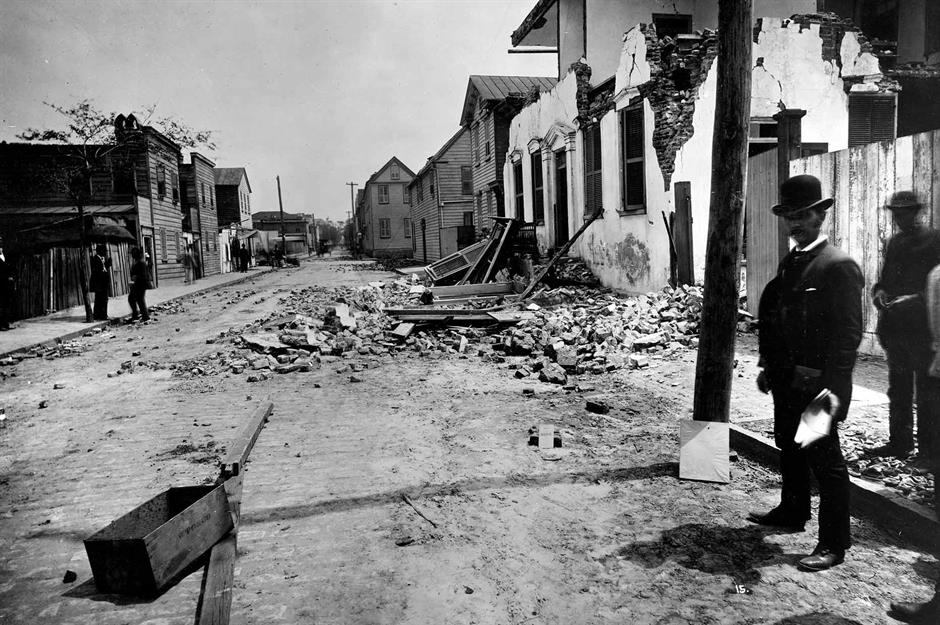
Believe it or not, the city lies in a seismically active area and like San Francisco is facing a 'Big One', with recent data from the USGS placing the chances of a major quake striking and causing severe damage within 100 years between 36% and 74%. Back in 1886, Charleston was hit by a magnitude 7.3 earthquake that claimed over 60 lives and damaged or destroyed many downtown buildings. Making matters worse, the quake struck only a year after the city was ravaged by a hurricane, another natural disaster it's vulnerable to.
Anchorage, Alaska
Sponsored Content
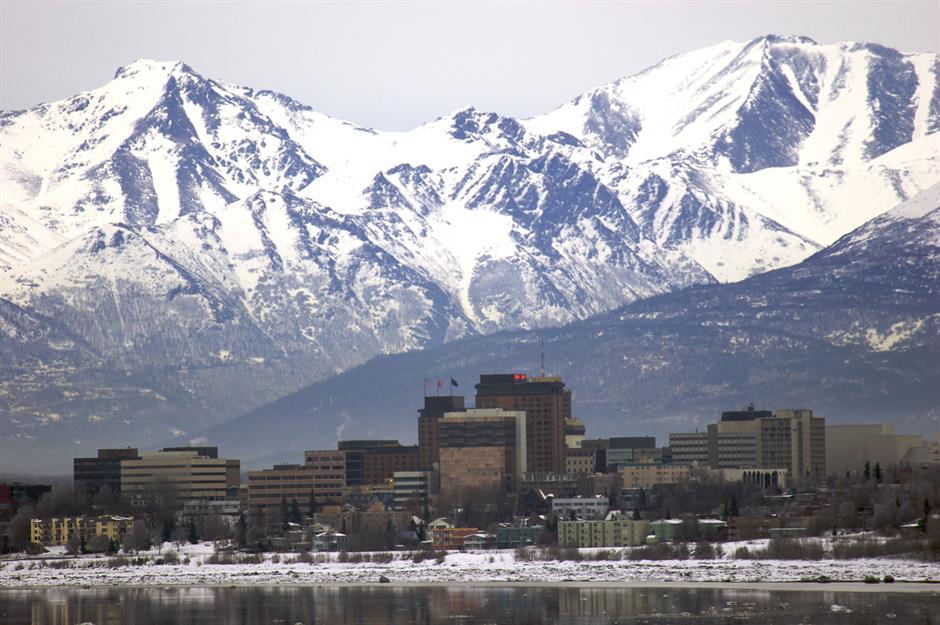
Anchorage, Alaska
Malibu, California
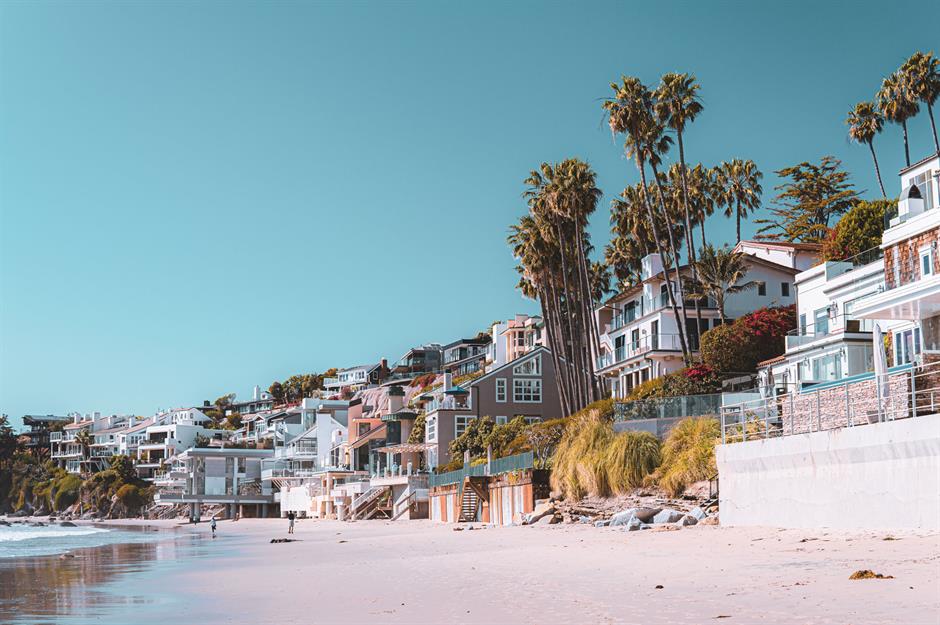
Malibu is famous for its enviable oceanfront lifestyle, sublime sunsets, breathtaking beach homes, and chic boutiques and restaurants. No wonder so many A-list stars reside in the exclusive locale. As you might imagine, property doesn't come cheap here, with Zillow valuing the average house at an eye-watering $3.2 million. On top of that, hefty home insurance is a must in Malibu.
Malibu, California
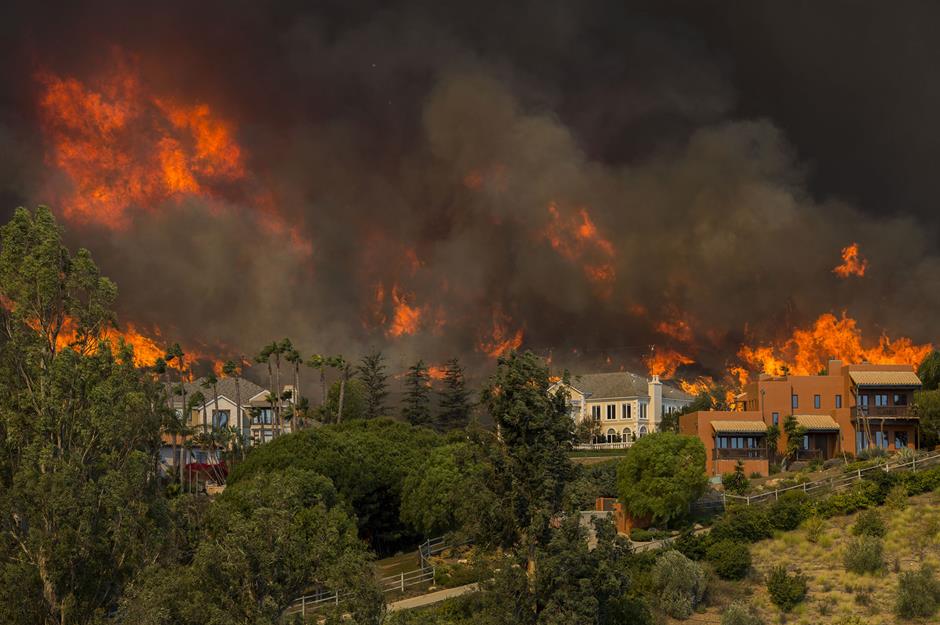
As well as being an earthquake, winter storm, mudslide, and coastal erosion hotspot, Malibu has been called 'the wildfire capital of the US'. The city has endured dozens of infernos over the years, from the massive Dayton Fire in 1982 to the Old Topanga Fire of 1993 and 2018's Woolsey Fire, which devastated more than 1,500 structures in the celebrity zip code and the surrounding area, destroying the Malibu homes of Miley Cyrus, Gerard Butler and Neil Young.
Sponsored Content
Green River, Wyoming
Green River, Wyoming
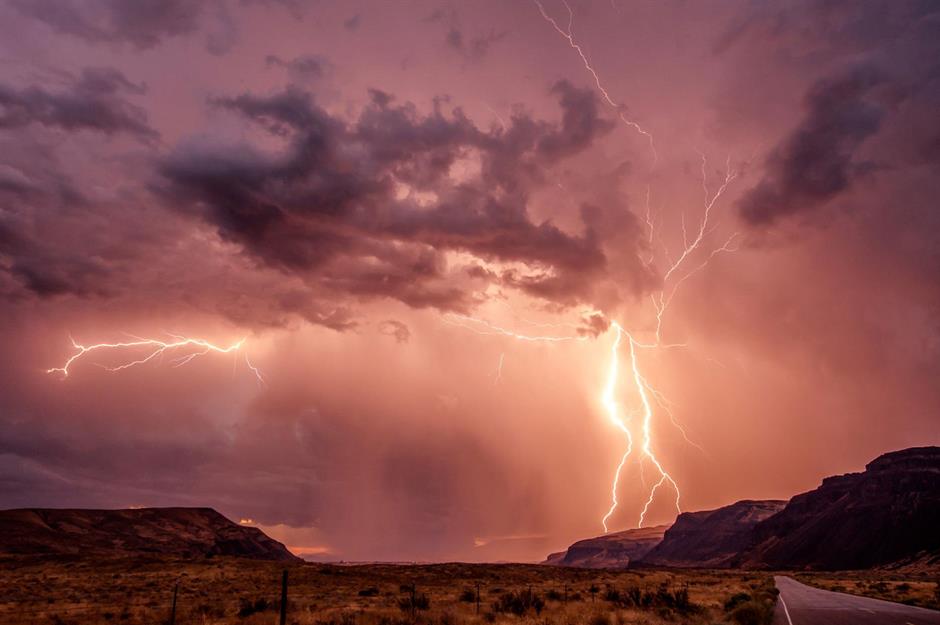
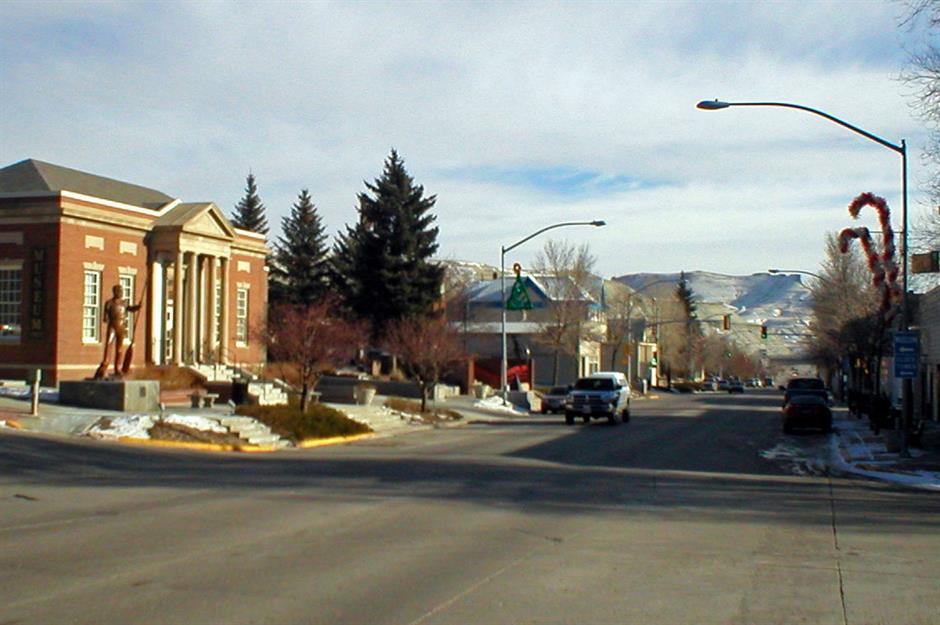
Except that Green River has been declared the city with the highest density of lightning strikes according to data from AccuWeather, debunking the myth that lightning doesn't strike the same place twice. This natural phenomenon has been known to cause serious damage to homes, as well as major bodily injury and even death. Among major cities, Baton Rouge, Louisiana is America's number one lightning hotspot.
Amarillo, Texas
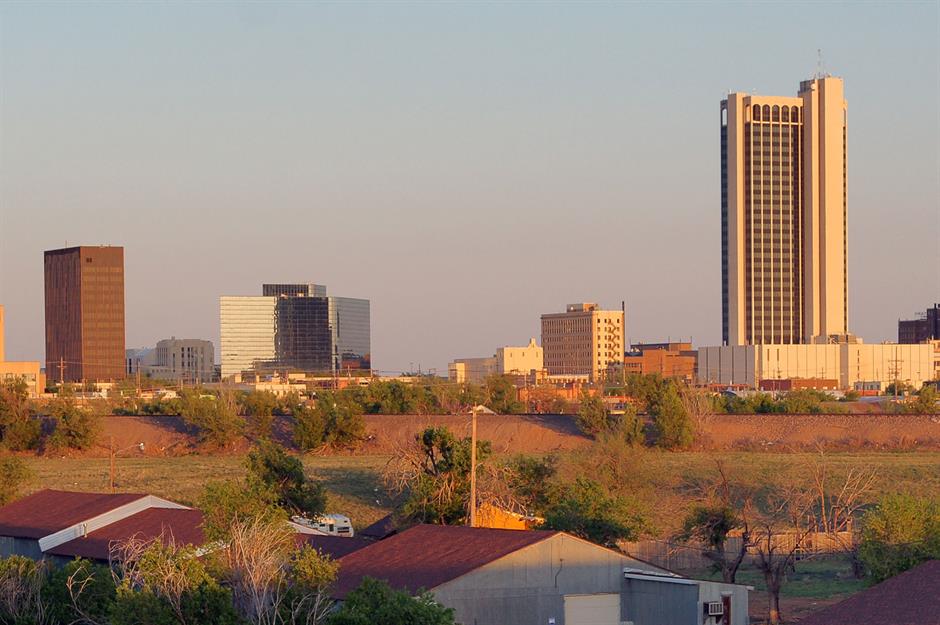
The unofficial capital of the Texan Panhandle, Amarillo is bona fide cowboy territory and has more than its fair share of rodeos, country music bars, and steakhouses, as well as plenty of scenic landscapes to enjoy at the Palo Duro Canyon. Homes here are economical, with a typical value of just $143,295 according to Zillow. Here's hoping they have tough roofs.
Sponsored Content
Amarillo, Texas
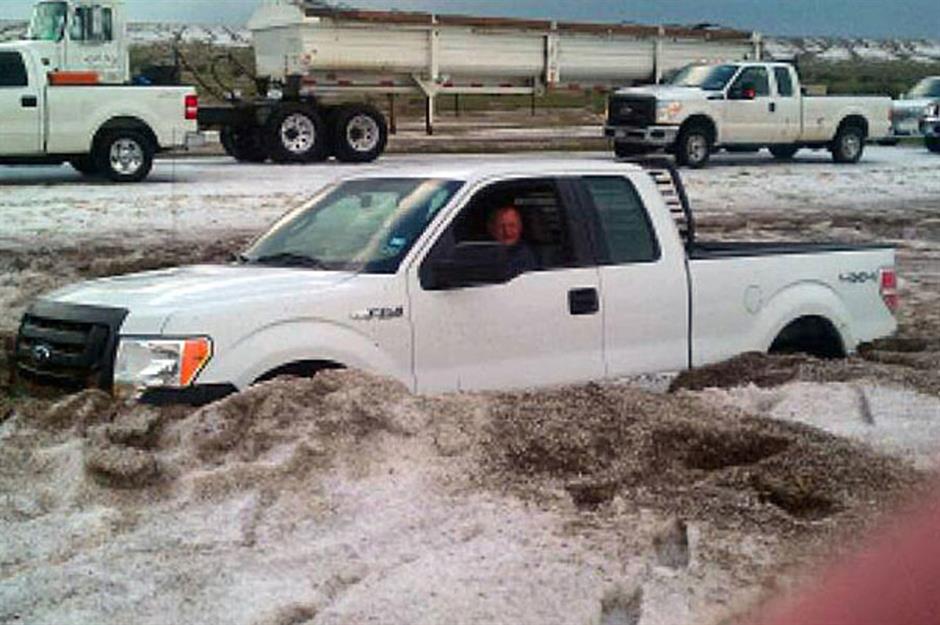
Located bang in the middle of America's Hail Alley, Amarillo has been pummeled by numerous destructive hailstorms over the years. And we're not talking regular-sized hail. One infamous storm that hit in 2013 produced hailstones the size of baseballs. Another that struck the city in 2019 created monstrous hail glaciers that buried cars, while a hailstorm as recently as June 2020 damaged thousands of homes and cars. I think we'll pass!
Loved this? Follow us on Twitter for more real estate insight and inspiration