Our mid-term review of the Government

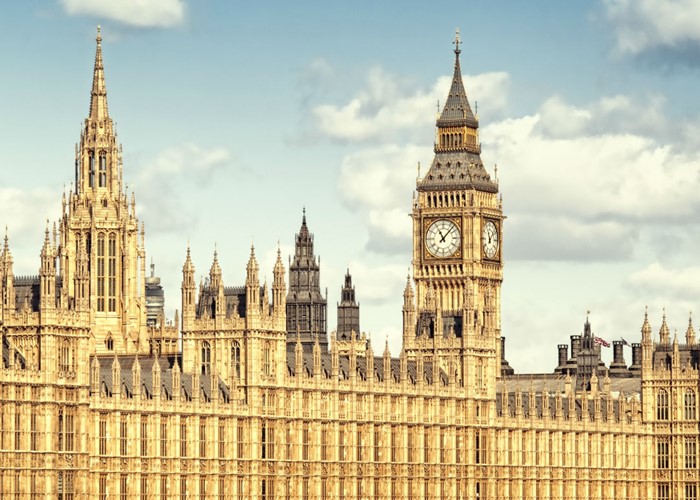
The Government published its Mid-Term Review on Monday. Now here's our verdict on how it's performed against some of its pledges from when it took office.
It’s the halfway point of the Coalition Government’s term of office. It has just published its Mid-Term Review, looking back at what it claims it has achieved since June 2010.
We thought we’d look back on those two and a half years too, to see whether the Government has delivered on its promises from a personal finance perspective. All of the measures we’re examining were set out in the document The Coalition: our programme for government, published when the Government took office.
Banking
“We want the banking system to serve business, not the other way round. We will bring forward detailed proposals to foster diversity in financial services, promote mutuals and create a more competitive banking industry.”
It’s debatable whether this aim has been achieved, apart from an investment of £38 million in credit unions over the three years from 2012. It is also consulting on whether to lift the cap on the interest rates credit unions can charge on loans to free up more money to lend.
The Government would also probably point to the fact that it has sold on Northern Rock’s insurance, mortgage and savings arm to Virgin. But it did so at a loss.
Verdict: fail
Communities and local government
“We will promote shared ownership schemes and help social tenants and others to own or part-own their home.”
A raft of shared ownership and shared equity schemes have been launched, including FirstBuy and NewBuy, although take-up has so far been fairly slow.
The Right To Buy discount was increased to a maximum of £75,000 in England last April, leading to an increase in applications in many areas. There are now fears that there will be a shortage of affordable council homes, particularly in Scotland, where the Government has just consulted on scrapping the scheme.
Verdict: partial success
Consumer protection
“We will give regulators new powers to define and ban excessive interest rates on credit and store cards; and we will introduce a seven-day cooling-off period for store cards.”
Well, it did neither. In fact, the average interest rates on credit cards have hit higher levels during the course of this Parliament so far than they did in the dying days of the Labour administration.
Verdict: fail
“We will oblige credit card companies to provide better information to their customers in a uniform electronic format that will allow consumers to find out whether they are receiving the best deal.”
The UK Cards Association has worked with the Government to produce an annual statement, which shows how much you’ve spent, how much you’ve repaid and any interest and other charges. It’s usually sent out on the anniversary of when you first took out the card.
Whether that is sufficient to allow anyone “to find out whether they are receiving the best deal” is another matter entirely. It might, however, shock some people into changing their spending behaviour.
Verdict: more work needed
“We will increase households’ control over their energy costs by ensuring that energy bills provide information on how to move to the cheapest tariff offered by their supplier, and how each household’s energy usage compares to similar households.”
This has only happened relatively recently with an agreement reached in April last year by the Big Six energy companies.
Of course, since then the Government has tried to go a step further by promising to make energy companies automatically switch customers to a cheaper tariff and to cut the number of tariffs on offer. But this has been widely criticised for raising the possibility that companies will withdraw their cheapest tariffs. We wait to see if it will be implemented.
Verdict: more work needed
Pensions and older people
“We will simplify the rules and regulations relating to pensions to help reinvigorate occupational pensions, encouraging companies to offer high-quality pensions to all employees, and we will work with business and the industry to support auto enrolment.”
Auto enrolment into workplace pensions finally began in October last year. But the timetable for employers to be paying the statutory minimum contribution of 3% of an employee’s salary has been delayed by three years. And how many people will opt out remains to be seen.
Verdict: too early to tell
Taxation
“We will further increase the personal [Income Tax] allowance to £10,000, making real terms steps each year towards meeting this as a longer-term policy objective. We will prioritise this over other tax cuts, including cuts to Inheritance Tax.”
The Government is well on track to reach this (key Liberal Democrat) objective as it will be £9,440 from April. However, it has reduced the Higher Rate Income Tax threshold down to £34,371 in this tax year and it will fall again to £32,011 from April, dragging many more people into the 40% tax bracket.
Verdict: success
Other measures
Of course, since taking power the Government has introduced many other policies that affect our pockets. These include:
- Increasing the standard rate of VAT to 20%;
- Reducing the Additional Tax Rate from 50% to 45% (from this April);
- Changing the method for measuring increases in the State Pension, benefits and Tax Credits to be in line with the (lower) Consumer Prices Index, rather than the Retail Prices Index. The Government is now trying to reduce the annual increase in benefits and some Tax Credits to 1% over the next three years;
- Cutting the annual pension tax relief limit from £50,000 to £40,000 and cutting the lifetime allowance from £1.5 millon to £1.25 million (both from this April);
- Cutting fuel duty by 1p a litre and postponing, then scrapping further planned increases;
- Stopping Child Benefit for people earning over £60,000 a year and reducing it on a sliding scale for people earning over £50,000 a year;
- Withdrawing Child Tax Credits from higher earners;
- Freezing age-related Income Tax allowances for most pensioners so they come into line with working-age allowances (from April);
- Increasing working hours threshold for couples claiming Working Tax Credits;
- Scrapping Child Trust Funds and introducing Junior ISAs;
- Scrapping Home Information Packs, although it has retained the Energy Performance Certificate;
- Continuing above-inflation increases in the price of alcohol, cigarettes and rail fares.
More to come soon
As I wrote following the publication of the Government's Mid-Term Review document, there are more changes coming shortly. These should include the publication of the long-delayed White Paper on pensions and potential changes to childcare support.
What's your half-term verdict on the Government? What should it be doing? Let us know your thoughts in the Comments section below.