Secret winners from inflation

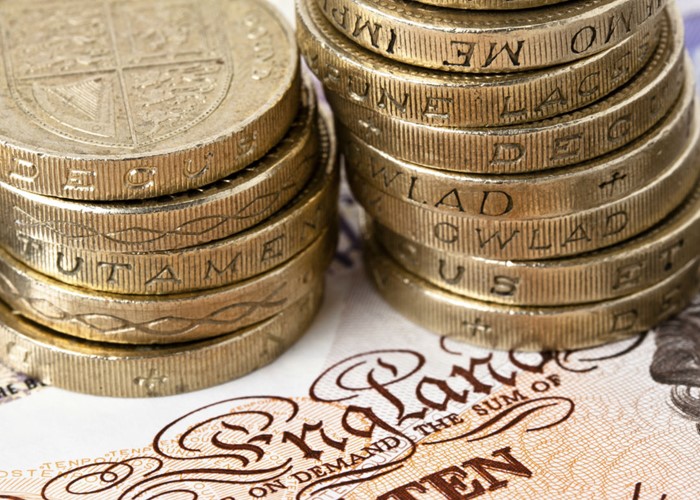
Some people are set to benefit from the current soaring rate of inflation. Robert Powell takes a look at the secret inflation winners (as well as some more obvious losers)...
Every cloud has a silver lining. Or so I’m told. But what if that cloud is made of record high energy prices, soaring insurance premiums, pricey petrol and (perhaps less importantly) expensive alcohol?
Granted, an upside to soaring levels of inflation is hard to see. But – to an extent – it is still there. Even when inflation is sat at 5.2% on the consumer price index (CPI): the highest rate since September 2008.
Yes, here are some unexpected winners from the latest inflation figures.
Winners
State pensioners: September’s CPI inflation figures are used to set the State Pension level for the following year. High September figures mean high pension increases.
So come April 2012, the State Pension should rise by 5.2%, in line with last month’s CPI inflation figure. This will increase the full entitlement State Pension by £5.31 to £107.46 a week. The joint state pension will rise by £8.49 to £171.84.
However – as I’ll consider later – looking at the bigger picture for Brit pensioners, this rise will probably prove of little comfort.
Benefits claimants: Several state benefits are also linked to September’s CPI inflation figure. These include Jobseekers’ Allowance, disability benefits, income support, incapacity benefit, maternity benefits, child benefit and working tax credit.
So if the government does decide to stick with the CPI-benefit link, Jobseeker’s Allowance should rise by £3.51 to £71.01 a week from April 2012. But again, other rising costs will almost certainly cancel out this gain.
Inflation-linked savers: If you are lucky enough to have your nest-egg stashed away in an inflation-linked bond, you’ll have only seen your rate rising over the last few months.
The now off-sale NS&I savings certificates are emerging as a particularly wise investment. At their last release, these tax-free accounts paid 0.5% percentage points over the retail price index (RPI) measure of inflation, currently 5.6%. Meaning that if you’re currently holding one, you’ll be earning the equivalent of 6.1% on your savings (the actual interest rates are calculated differently but ultimately add up to RPI plus 0.5% over the account term).
The Post Office has an inflation-linked bond on sale now. This pays 0.5% plus RPI for three years or 1% plus RPI over five years. However the interest rate derives from January’s RPI figure and you’ll have to pay tax on any take-home payments. Head to New savings account that beats inflation for more information.
ISA savers: The annual allowance for tax-free ISA accounts is also linked to CPI inflation. So next year it will increase from £10,680 to £11,280.
Borrowers: Inflation generally reduces the value of debt. In fact, with CPI at 5.2%, debt effectively halves in 12 years. However this is dependent on incomes rising. And for many, they’re not.
But nevertheless, there is one big borrower that inflation is benefiting...
George Osborne: The government is the biggest borrower of us all, with debt currently totalling over £900 billion (head here for a scary tracker of the UK’s national debt). The Chancellor George Osborne is attempting to pay off this tab. And inflation is helping, as it reduces the debt’s real-term value.
And now onto the losers, I’ll warn you: there are a lot more of them than winners.
The losers...
EVERYONE : We all spend. So when prices rise, we all pay more. Depressing, I know.
However there are some groups that are being hit especially hard by price rises.
Low income households: Inflation is primarily being pushed up by energy cost increases and price rises for basic goods such as food. Lower income households spend a greater percentage of their income on these basic goods and hence are hit harder when their prices increase.
What’s more benefit claimants and pensioners make up a large chunk of this category (two groups I listed in the ‘inflation winners’ section). In fact, research from Alliance Trust shows that 65-74 year-olds are actually facing an inflation rate of 6.1% - driven by gas and electricity price rises.
Of these groups, those on fixed income pensions will be hit hardest, as the real-term buying power of their pensions is slashed by rising prices every month.
And these aren’t the only ways these two groups are losing out.
Pensioner and benefit claimants: One little letter is proving very costly for millions of pensioners and benefit claimants. In the 2010 emergency budget George Osborne announced that public sector pensions and other benefits would be linked to the CPI measure of inflation, rather than the retail price index (RPI).
But by making this RPI to CPI switch, the government is snatching away thousands from pensioners and benefit claimants. This is because CPI is generally lower than RPI and hence payments will rise at a slower rate when pegged to it. Indeed, looking at September’s inflation figures, RPI is 0.4 percentage points higher than CPI.
As I mentioned earlier, pensioners and benefit claimants may be winning from inflation in one respect. But they are losing in plenty of others.
Divorcees: Courts often order that maintenance payments in divorce cases increase in line with inflation. Fair enough if you’re the payee, as rising prices will be taking their toll on you as well. Not so good if you’re the payer though.
Savers: Inflation hits savers especially hard. This is because rising prices slash the real-term spending power of any money not earning an equivalent level of interest. And unfortunately, there are few savings accounts around at the moment with an interest rate equalling inflation. What’s worse, those that are around will require you to lock away your savings for a long period of time.
So as you can see, while there are a few silver linings to this high level of inflation, there’s a whole lot more cloud.
More: Inflation hits 5.6% - get the best new savings accounts quick! | Savers: Earn 11% on your money! | Seven top cash ISAs and five good shares ISAs
Comments
Be the first to comment
Do you want to comment on this article? You need to be signed in for this feature