Who owns my bank or building society? Subsidiaries of Barclays, Lloyds, HSBC and more

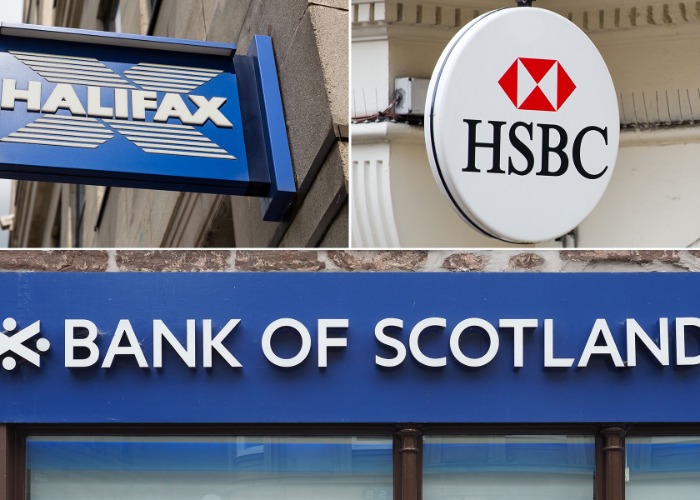
It pays to know exactly who owns the banks and building societies you hold savings with to ensure your funds would be protected if they went bust. Here's a look at who owns which bank as of 2025.
Savers with accounts at more than one institution might be unwittingly risking a chunk of their life savings because they're unaware certain banks and building societies are owned under the same banking licence.
While the problem is only a threat to those with huge sums saved (over £85,000 per account) it could still result in people losing massive sums due to certain fine print in the Financial Services Compensation Scheme (FSCS).
Let's take a closer look at the problem and explain how you can ensure your money is 100% protected.
FSCS: not all savings is covered
Thanks to the near-collapse of some of Britain's biggest banks way back in 2008, the Government beefed up the FSCS, the state-supported safety net for savers.
The FSCS now guarantees 100% of the first £85,000 of cash savings per person per banking licence (including interest).
Therefore, a couple with up to £170,000 in a joint account has all of this cash covered by the FSCS.
The important words here are 'per banking licence', as often seemingly unrelated banks can fall under the same umbrella.
That means you should always spread your cash across different providers rather than simply brands.
Imagine the following scenario: you have saved over many years and now have one pot of £50,000 saved with First Direct and £50,000 saved with HSBC.
You might assume all your money is safe because the first £85,000 in each account is protected.
But because these two brands fall under the same licence, it actually means you're only covered for £85,000 across both, meaning £15,000 would be lost if there was a catastrophic failure at these banks and they went under.
We want to be clear that such failures are highly unlikely, but not impossible, as we've seen in the last 15 years.
So it makes sense to ensure your money is fully protected by understanding which bank and building society brands are linked.
Don't forget you can earn up to £150 just by switching to another bank: see the top offers
Which bank owns which brand?
To help you work out how safe your cash is we've compiled a list of the biggest British banking and savings providers, showing you who owns whom.
With hundreds of different institutions to choose from, we haven't listed them all here. Instead, we've concentrated on the UK's biggest brands.
The Bank of England has lists of which banks and building societies that are protected by the same FSCS coverage.
You can also check to see if your bank is protected via the Financial Conduct Authority's register.
Remember, you get only one lot of £85,000 FSCS protection per person for the total amount you hold across these banking licences.
So let's take a look at who owns each of the bank brands.
1. HBOS
- Bank of Scotland
- Birmingham Midshires
- Halifax
- Intelligent Finance
2. Lloyds Banking Group
- Lloyds Bank.
Despite HBOS being acquired by Lloyds Bank, both HBOS and Lloyds Banking Group continue to operate under separate banking licences.
3. TSB
4. Barclays
5. HSBC
- First Direct
- HSBC
6. Royal Bank of Scotland (RBS)
7. NatWest
- NatWest
- Mettle
- Ulster Bank
8. OneSavings Bank
- OneSavings
- Kent Reliance
9. Coutts & Co
10. Santander UK
- Cahoot
- Santander
11. The Co-operative Bank
- Britannia BS
- Smile
- The Co-operative Bank
12. Bank of Ireland UK
13. Clydesdale Bank PLC (CYBG)
- Clydesdale Bank
- Yorkshire Bank
- Virgin Money
14. Sainsbury's Bank
15. Tesco Bank
16. Monzo
17. Starling Bank
18. Al Rayan Bank
19. Gatehouse Bank
20. Revolut
Britain's biggest building societies
1. Nationwide BS
Nationwide now includes several previously well-known brands, including Cheshire BS, Derbyshire BS, and Dunfermline BS.
2. Yorkshire BS
- Barnsley BS
- Chelsea BS
- Norwich and Peterborough BS
- Yorkshire BS
3. Coventry BS
Coventry BS merged with Stroud and Swindon BS in 2010.
4. Skipton BS
Skipton BS includes Chesham BS and Scarborough BS.
Don't forget you can earn a tidy sum just by switching to another bank: see the top offers
Foreign banks and the FSCS
Banks from around the world with a UK subsidiary are covered by the FSCS £85,000 guarantee. These include:
- ICICI Bank UK;
- RCI Bank UK;
- State Bank of India UK;
- Tridos Bank UK;
- Cynergy Bank (previously Bank of Cyprus).
NS&I
Finally, the Government's piggy bank, National Savings & Investments (NS&I), isn't covered by the FSCS. Instead, it gets the full backing of the Treasury, meaning all your deposits - including those above £85,000 - are fully protected.
Don't forget you can earn up to £175 just by switching to another bank: see the top offers
Comments
Be the first to comment
Do you want to comment on this article? You need to be signed in for this feature