The worst new scams of 2011

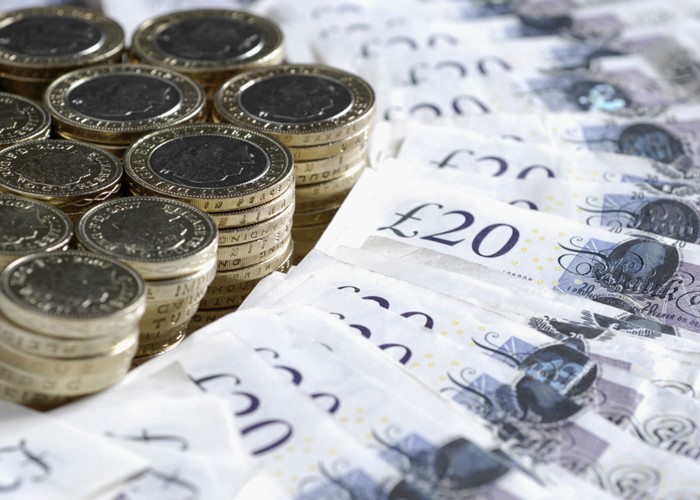
In 2011, there were some costly scams against investors, some rip-offs for users of public services, and some downright, brazen and disgusting theft from elderly and vulnerable people.
I once tried to get an Internet scam shut down. I contacted Consumer Direct, the National Fraud Authority, the Financial Services Authority, the police, and the Office of Fair Trading. I even called the investigations department at insurers Lloyds of London, which the scammers claimed were backing it. They all couldn't help me.
I looked up Scambusters, Crimestoppers, the e-Crimes Unit of the police, the Companies Investigation Branch, and Trading Standards. None of which had the facility for me to contact them about the matter, or otherwise couldn't help me.
Many of the 13 groups I contacted in total have prevention as one of their key aims, yet they weren't interested in learning about scams that needed to be prevented. They only want to know after a good number of people have been scammed. As for Lloyds, it got its name removed from the scam website, but that's all.
These organisations don't have the resources, the legal powers, nor the creative thinking needed to stop scams. That's why they concentrate on assisting scammed people after the event. The problem is that the vast majority of victims still never get their money back. Assistance is mostly limited to much-needed emotional support, because victims can suffer devastating loss of confidence and self-esteem.
So it's vital to avoid scams in the first place. Here are some of the biggest from 2011:
Smartphone scams
Government hub Directgov and OFCOM highlighted the rise of scam apps on smartphones. “Many scam apps are available from genuine online stores,” Directgov argued.
These apps may have real functions, such as for security or online gaming, but they also allow scammers to take over your phones so that they can use them to run up large bills, intercept text and voice messages, and steal personal and payment data. Scammers sometimes send messages with your phone to premium lines they've set up that cost £6 per message.
Check reviews and ratings of apps before downloading them. Spot potential problems early by keeping an eye out for rapidly draining battery level, by regularly checking your phone bill online, or by switching to pay-as-you-go.
Tax rebates
HM Revenue and Customs (HMRC) seems to do a much better job of shutting down tax scams than the groups I mentioned earlier, but it appears to be overwhelmed by the sheer number of them.
HMRC says it is helping to shut down more than 100 scam websites a month. Many are linked to “phishing”. According to the Mirror, almost 24,000 phishing emails were reported to HMRC in August 2011 alone, claiming you're due a tax rebate. When you click the link to the fake HMRC website, you're encouraged to hand over your card details, which the scammers then use to take your money.
Joan Wood of HMRC says that she has “no doubt that more of these 'phishing' emails are in general circulation than ever before.”
HMRC contacts customers due rebates by post only. Forward suspicious emails to HMRC at phishing@hmrc.gsi.gov.uk and delete them without opening links or downloading attachments to reduce the risk of getting a computer virus. Reduce the risk further by switching off HTML or images in your incoming emails.
Fake tradespeople
Many scams don't come to our attention until years after they occur. First investigated by Trading Standards in May 2009, a family of scammers operating for five years made repeated visits to elderly and other vulnerable victims, pretending to be in all sorts of trades, from gardening to roofing. The Northern Echo reports that the Price family pressured one 85-year-old into parting with £52,000, and were caught on camera snooping around a blind 99-year-old woman's home after claiming to be from the council.
As a financial journalist who investigates with more of a numbers mentality than an emotional one, evil is not a word I think to use very often. But scammers who visit people, look them in the eyes, get to know them, and then steal their life savings, are off the social chart.
It's believed there were hundreds of victims losing more than £1 million. The six scammers went to prison in 2011 for a collective 25 years.
High pressure investments
Another family of scammers, three of them, were sentenced in 2011 to a collective 19 years in prison for high pressure sales of worthless or non-existent investments at massively inflated prices. Such scams are called boiler rooms.
This scam took an estimated £27.5m from 1,700 investors. Detective superintendent Bob Wishart of the City of London Police said of the scammers: “The Wilmots were the architects of a major network of criminality that ruthlessly targeted some of the most vulnerable people in our society, stealing their savings and ruining their lives.”
New boiler rooms go onto the FSA's warning list at a rate of one or two a day. You can search its list of unauthorised firms here. When making investments, you should stick to FSA-registered firms. You can check if a company is FSA-registered here.
Stealing from the taxpayer
One of the biggest gangs banged up in 2011 for a total of 45-and-a-half years stole £140 million from the taxman – and therefore from us, the users of public services. The six gang members sold goods with the purpose of laundering the VAT they collected through offshore companies, instead of paying it to Revenue & Customs.
Martin Brown, assistant director of criminal investigation for HMRC, said: “The motivation of this gang was pure greed. Their criminal activity deprived us all of millions of pounds for the nation's public services.”
A legitimate gold scam
Many real companies are paying pitiful amounts when we sell gold to them, and charging far more than its current market price when we buy it. The mark-up or mark-down can be so extreme sometimes that you would feel like you'd been scammed if you learned how badly you were ripped off.
But there are plenty of legitimate scams too (if you'll pardon the oxymoron). Near the end of 2011, our blogger Tony Levene was coldcalled by a man who told him that the price of gold would never ever fall, that it was the safest investment in the world, and that no-one ever lost money with gold. Levene dealt with him with his usual wit and ease. Read more in Beware of this 'Get rich from gold' scam.
One of the best things you can do to prevent yourself from ever being scammed is to read through a good number of Levene's blogs, so that you can develop your scam instincts by getting a feel for how they operate.
More: compare savings accounts through lovemoney.com | When to get married | Why house price forecasts are dangerous
Comments
Be the first to comment
Do you want to comment on this article? You need to be signed in for this feature