Why gilts matter

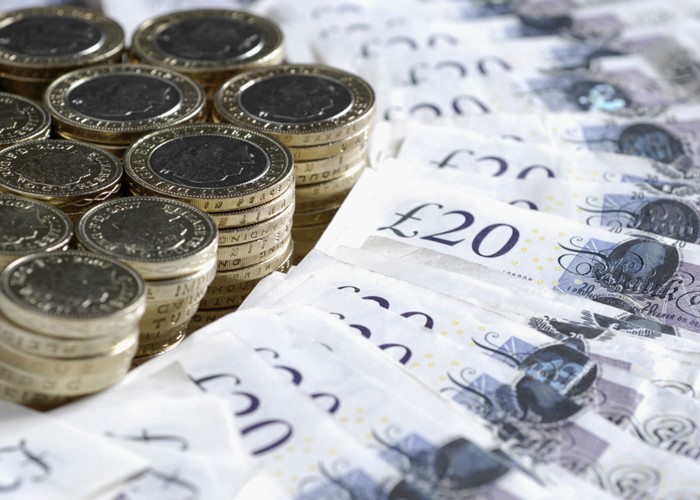
Gilts are massively important. They affect mortgage rates, pensions and the state of the Government's finances. We explain how they work.
Gilts are effectively IOUs issued by the Government. They’re also known as UK Government bonds.
The Government uses gilts to fund its borrowing. And if the Government can’t sell enough gilts, then it’s in a right old mess. Fortunately, the Government has always been able to find enough buyers. So far anyway...
Auctions
The Government sells gilts via regular ‘auctions.’ This week, the Government ran one auction where it sold gilts worth £3.2 billion. The issue was called “3 ¾% Treasury Gilt 2021”.
Let’s imagine you bought gilts worth £1,000 in the auction. You’ve now effectively lent £1,000 to the Government for ten years.
In return, you’ll be paid a ‘coupon’ twice a year which is similar to a dividend or an interest payment. Each year, your total annual coupon will amount to 3.75% of your original investment - i.e £37.50. Then in September 2021, the gilts will mature and you’ll get your £1,000 back.
However, you don’t have to keep the gilts for ten years if you don’t want to. You can sell them on the markets.
But you may not be able to get back what you originally paid. Instead you’ll receive the market value of the gilts which should change frequently.
Why do gilt prices change?
Gilt prices change because circumstances change and investors change their opinions. Investors who bought gilts at this week’s auction are effectively receiving an annual interest rate of 3.75%, and that looks reasonably attractive in a low-inflation world.
But if you think inflation is going to rise, why would you want to invest in an asset that only pays out 3.75% a year? If other investors agree with you, the price of these gilts will fall.
Let’s say that the market value of the gilts has fallen to £900. If you bought the gilts for £900, you’d still receive an annual coupon of £37.50 a year. But the ‘yield’ will have risen – in other words, your annual income will be a higher percentage of your initial purchase price.
If you buy the gilts at the initial auction for £1,000, your yield is 3.75%.
But if you buy the gilts on the markets for £900, your yield is 4.16%. (37.50/900 = 0.0416).
Of course the market value of the gilts could also rise. If the price rose to £1,100, the yield would fall to 3.41%. (37.50/1100 = 0.0341.)
Other factors
Expectations of inflation aren’t the only factor that affect gilt prices and hence yields. All of the following factors play a role:
1. The state of the Government’s finances
If Government debt is very high, there’s a danger that the Government might go bust and not pay out when gilts mature. This is known as default.
The British Government has never defaulted and gilts are traditionally seen as extremely low-risk investments. However, given the stormy times in which we live, you can’t completely rule out default even if it remains very unlikely.
If the risk of default rises, the price of gilts should fall, and the yield will rise.
2. Where are pension funds investing?
Pension funds normally invest in a mixture of property, shares, gilts and other bonds. Regulators sometimes worry that pension funds are over-invested in shares and taking too much risk.
As a result, regulators may tell pension funds to put more money into gilts, which pushes up the price, and, of course, lowers the yield.
3. What are the prospects for the economy and the stock market?
If it looks like the economy is set to grow quickly, investors may prefer to put their money into shares where they can potentially get a bigger return. So the price of gilts may fall.
If the economy is growing, you’d also normally expect to see a rise in inflation. Once again, that will mean lower gilt prices and higher yields.
4. Are central banks buying gilts?
The Bank of England has created over £300 billion of extra money as a result of its Quantitative Easing programme. The Bank has used this money to buy gilts. That's helped to push up the price of gilts.
These aren’t the only factors driving gilt yields, but they’re the most important.
Why do gilts matter?
You might think this is all rather dry and boring, but please don’t stop reading! Gilts are really important. They affect just about everybody. Here are three reasons why:
1. Mortgage rates
Gilt yields affect the interest rates we pay on our mortgages. Especially fixed-rate mortgages.
Let’s look at gilts which are due to mature in five years. If the yield on these gilts fell significantly, lenders would probably cut the rate they charge on new five-year fixed-rate mortgages.
2. Annuities
If you saving into a pension pot as you work, you’ll have to convert that pot into an income when you retire. The most common way to do that is via an annuity.
Guess what? If gilt rates are low, annuity rates are low. And vice versa. That’s because annuity providers normally buy gilts to fund their annuity payouts.
Gilt yields have been unusually low in recent years and that’s meant that many new retirees have ended up with smaller pensions than they expected.
Read more in Annuity rates to fall as much as 20%.
3. Tax rates and Government spending
If gilt yields are low, the Government can borrow cheaply. So if gilt yields rose, the Government’s borrowing costs would also rise and that could trigger higher taxes and/or spending cuts.
This is what has happened to many countries in the eurozone over the last year. Worries about default have pushed up bond yields for many European governments. These high yields have been at the heart of the eurozone crisis.
Fortunately, gilt yields in the UK have stayed low which has made life much easier for the British Government.
So that’s a basic introduction to gilts. If you think you’d like to invest in gilts, read How to buy gilts. I also explain about some other kinds of gilts that I've not explored in this piece.