Government unveils new tax-free ISA for kids

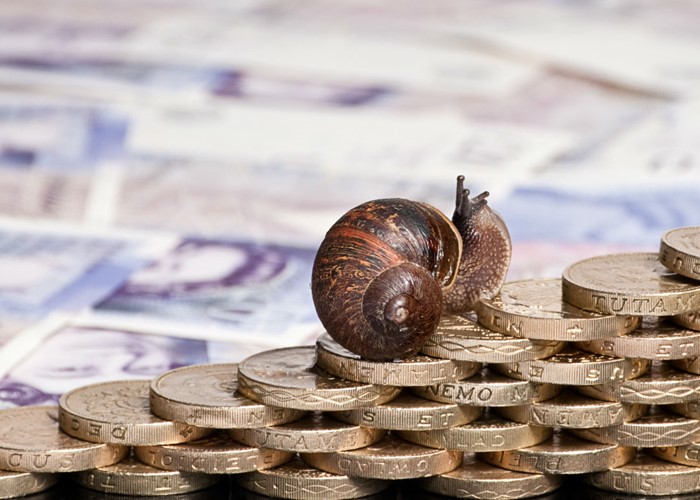
The government has given Junior ISAs the go ahead, but will the new accounts fill the gap left by child trust funds?
Hate paying tax? Got a family? Here’s some good news. The Government has given the go-ahead for a new ISA for kids - the Junior ISA.
It’s definitely a move that will be welcomed by parents. After all, there’s now a gaping hole in the market for a decent savings account targeted at those under 18, following the decision to abolish Child trust funds (CTFs) back in May.
What does this mean for you? Here’s a quick Q&A to find out:
What is a Junior ISA?
A Junior ISA is a tax-free account aimed specifically at children and can be opened from birth. Any savings that are deposited will be locked away until the child reaches adulthood.
How does it differ from a CTF?
Like the Junior ISA, Child trust funds (CTFs) allowed parents to save a limited sum, tax-free, for their children. But unlike the Junior ISA, children were given £250 by the Government on their birth and another £250 on their seventh birthday under the CTF scheme.
Will Junior ISAs be as good as CTFs?
No. Junior ISAs won’t be able to compete with the original CTF for one major reason: the ISAs won’t benefit from any government contributions. Instead they will have to be funded entirely by parents.
The move is expected to reduce public spending by around £320 million this year and £500 million in future years.
But sadly, for families on lower incomes, the absence of an incentive from the government to save may mean Junior ISAs are ignored. Meanwhile, parents who can afford to save will only be tempted if the returns available from Junior ISAs are higher than those available from other savings accounts for young people.
So how will Junior ISAs actually work?
Junior ISAs - which will be offered by private providers - will be very similar to the adult version which has already proved popular among savers and investors alike. Money can be held in a cash-based ISA, or alternatively invested in the stock market giving the potential for capital growth until the ISA matures.
Annual contributions limits will apply. Right now a total of £10,200 can be paid into ISAs for adults, but it remains to be seen whether children will get the same tax-free allowance. It’s likely the allowance will be somewhat lower, and may possibly match the current CTF limit of £1,200 a year.
What does it mean for you and your children?
Right now there’s a distinct lack of savings plans available specifically for children. After all, cash ISAs are open to savers aged 16 or over, while stocks and shares ISAs are available to over 18s only. This means younger people are currently excluded. Even savings accounts which are aimed at young savers often leave a lot to be desired in terms of the interest rates on offer.
Find out everything you need to know about your children's savings and tax
The Junior ISA should give you a great opportunity to save on your children’s behalf and build a nest egg to help fund future costs such as a university education or a house deposit. And it will come as a welcome tax boost to middle-class families who have lost out due to the removal of Child Benefit from higher-rate taxpayers.
What’s more, Junior ISAs will give parents a clear and simple way to save tax-free based on a savings vehicle they are probably already familiar with.
When will Junior ISAs become available?
The exact date isn’t known, but the Government has said it intends to make Junior ISAs available from autumn next year. But don’t worry if your child was born before then. Eligibility for Junior ISAs will be backdated for children who were born too late for CTFs (ie those born after January 2011) so they don’t miss out on any tax-free saving.
My child already has a CTF, can I get a Junior ISA?
This isn’t clear. At the moment, if your kids have CTFs, they can still run until they mature, and parents and others can continue to top them up by a maximum of £1,200 annually until then.
Whether CTFs and Junior ISAs can co-exist in harmony remains to be seen. But whatever the future holds for holders of existing CTFs, it is likely that that all parents will be bound by the same limits for tax-free savings.
What can I do now to start saving for my child?
If you want to start saving now, there’s no point waiting around for the Government roll out these accounts in Autumn 2011. Remember that your child can already earn interest tax-free on savings you contribute in their name (up to a maximum £100 of interest per year). Swot up on how to Protect your kids from the taxman to find out more about this, or read Earn 6% on children’s savings to find out about the top children’s savings accounts at the moment.
Comments
Be the first to comment
Do you want to comment on this article? You need to be signed in for this feature