Five ways for the middle classes to save

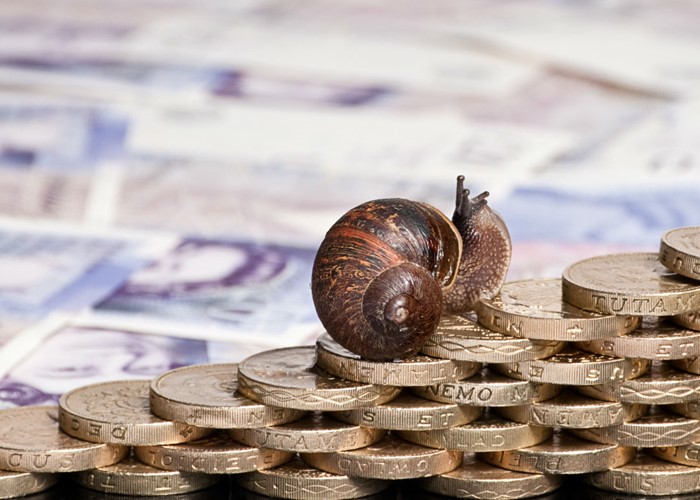
Are you slap bang in the middle of the squeezed middle? Not so broke you might sink but definitely starting to feel the pinch? Then it's time you started fighting back.
Inflation might finally be slowing and David Cameron may be reconsidering the child benefit cut, but times are still tough for the UK’s middle classes.
Households that could be considered affluent but certainly not rich have lost tax credits, while paying higher National Insurance contributions. On top of that, wage freezes or below-inflation rises have left previously comfortable families suddenly feeling squeezed.
If that sounds like you then it’s time to fight back. No, I don’t mean march on Downing Street, I mean streamline your spending. Here’s a few simple ways to do just that:
Cut the price of your shopping
If your finances are reasonably comfortable then you may not want to switch to cheaper grocery brands (although you might be pleasantly surprised by the quality).
But you can save money on the same basket of groceries simply by switching supermarkets.
Visit the website MySupermarket.com and you can find out which retailer is cheapest for your standard shop, from ASDA, Sainsbury’s, Tesco, Waitrose and ocado.
It claims that visitors can save £10 on an average weekly shop, buying similar products from the cheapest supermarket. That’s a potential saving of more than £500 a year.
That would really let you offset food inflation without sacrificing your preferred brands.
Earn cashback on your spending
Going on holiday, eating out, buying music and books… If you don’t want to give these things up, you could at least start earning some cashback on what you spend.
You can join the cashback website Quidco, use your normal preferred shops and earn a percentage of your spending back. Simply click through to your preferred retailer via the Quidco website and it pays the commission it earns into your bank account.
The site claims that the average cashback earned by a member in a year is £262.36 – but it’s even more useful for a high-earning family. The average annual cashback for a family with two children and household income of £55,000 is an incredible £781.
That ought to keep the Chancellor’s cuts at bay.
Of course Quidco isn't the only cashback website around. Check out How to be a cashback king! for a run-down of the best cashback websites.
Use a cashback credit card
This is only a tip for the super-organised and those who won’t be tempted into spending more than they can afford.
If you think you can resist the urge to max out your plastic, consider applying for a cashback credit card. You’ll need a good credit rating to qualify, but then you can funnel your household shopping through the card, earning a percentage of your spending back.
For example, the Santander 123 Cashback Credit Card pays 3% on up to £300-worth of fuel each month, 2% cashback on department store spending and 1% on supermarket shopping.
Its APR is a steep 18.9% and it comes with a £24 annual fee – so you’d need to be confident that you could clear the balance each month and earn enough to make it worthwhile. However, if you spent £200 a month on fuel, you’d earn £72 over a year, meaning £48 profit.
If you want a card without a fee, the Capital One World MasterCard pays a whopping 5% cashback on your purchases in the frist three months (capped at £100), before implementing tiered rates of cashback depending on how much you spend. If you want to work out which is the best cashback card for you, be sure to read Earn top cashback from your credit card.
Make the most of your ISA
If your tax credits are being hacked away, then it’s just common sense to make the most of the tax breaks you are allowed – and that includes your ISA.
You’re allowed to invest up to £5,340 into a tax-free cash ISA each financial year, so you have until April 5th to use up your current allowance. You can also invest the same amount into stocks and shares.
If you prefer, you can invest up to £10,680 in stocks and shares, but the cash amount is capped at £5,340.
Once your savings are safely squirreled away into this tax-free account, the taxman can’t help himself to a share of your interest – ever. The returns are yours and yours alone. That’s tax avoidance we can all get behind!
For example, if you want to keep instant access to your cash in case you need it in a hurry, Buckinghamshire Building Society’s Chiltern Golden Nuggets account pays 3.5% on balances over £500.
If you want to lock your money away in order to get a better rate, saving with the Bank of Ireland (via the Governor wrapper) in a five-year ISA will see you earning an inflation-beating 4.5%! However, locking your cash up for that long can be a gamble. Read Get 4.5% on your savings tax-free for more.
Top up your pension pot
Okay, this won’t put more money in your pocket right now. In fact it will mean you have less to spend. Nonetheless, saving more into your pension is a great way to pay less tax. One day, you’ll be glad you did.
Your pension contributions are tax free, meaning that you pay £80 but £100 is invested. If you arrange to make payments through ‘salary sacrifice’, your National Insurance bill is lower too. As with your ISA allowance, it’s worth taking all the tax breaks you can!
If you’re just over the threshold for a tax credit or child benefit (if Mr Cameron ever decides what the rules are going to be), then increasing your pension contributions through salary sacrifice could fix that.
And finally…
Consider signing up for online banking. This won’t help you save any specific amount, but it will encourage you to keep tighter tabs on your money.
If you’re used to earning a high salary, it can be easy to lose track of exactly what’s coming in and out of your account. But that inevitably means that you spend more than you thought.
By checking your account online regularly, you’ll get a clearer day-to-day picture of your finances, and that will help you rein back spending. It can be a real shock to suddenly see just how much money you actually blow on coffee and cake in any one month.
Why not give the lovemoney.com MoneyTrack tool a go? All your online bank accounts and credit cards are aggregated together in one place, so you can see exactly how much money is coming in each day and how much is going out. And your spending is categorised into different areas such as restaurants or housing costs.
You can also track your success against your individual budgeting targets. Check it out now.
More: Get a market-leading rate on your ISA | Gas and electricity price 'reductions' are phoney! | Childcare costs pushing parents into debt