The 10 biggest disasters of the decade

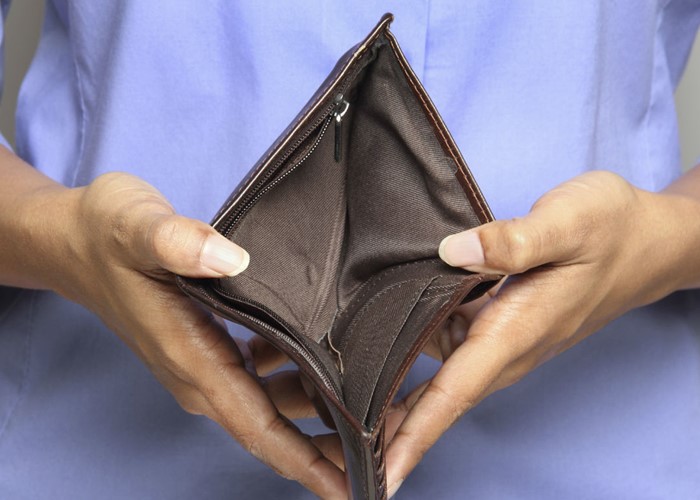
The noughties was a decade of financial disasters. If we'd known what was in store on 1 January 2000, many of us might have stayed in bed.
Here are my top 10 financial foul-ups, and I haven't even found space for IceSave, bank charges, pension scandals, precipice bonds, payment protection insurance or Gordon Brown's tripartite regulatory structure. I'm bound to have missed some, so feel free to add your own at the bottom.
1) The dot.com bubble.
The $1 trillion dot.com boom was the biggest investment frenzy since the South Sea Island Bubble in the 1700s and it ended just as messily. Tech start-ups years from turning a profit were suddenly valued at tens of millions of pounds. At its peak, mums, dads, grans, taxi drivers, sensible investors and crazed speculators alike poured billions into internet stocks. Three months into the new millennium, the bubble burst. Dot.coms became dot.bombs overnight, shedding at least £3 trillion in market value. A multiple pile-up on the information superhighway.
2) The housing bubble.
After the dot.com bubble burst, speculators rushed into a more traditional investment: property. They were aided by central bankers such as Alan Greenspan, who slashed interest rates to reflate the economy after the tech collapse. So one bubble replaced another. When the credit crunch struck, disaster was only averted by slashing base rates to a 316-year low. But is cheap money blowing up another housing bubble? We'll soon find out.
3) Gordon Brown selling our gold.
Chancellor Gordon Brown began selling off our gold reserves in May 1999 and continued right until 2002. By stupidly signalling a massive sell-off, he drove down the price of bullion to a 20-year low of $275 an ounce. Seven years later, the gold price has soared to more than $1,270 an ounce. This has cost the UK at least £5 billion, although to be fair to Mr Brown, that is a pittance compared to the cost of some of his later decisions.
4) Credit default swaps.
So you don't understand how credit default swaps work? No problem, neither did the bankers who were buying and selling them, and now we're all paying the price. Put simply, credit default swaps are insurance against bad loans, but there is nothing simple about them. When the $62 trillion market collapsed because of exposure to the crumbling US mortgage markets, the phrase credit crunch was coined.
5) Northern Rock.
If you are turning a regional minnow such as Northern Rock into a top five mortgage lender you have to take one or two chances along the way, such as funding long-term mortgages with short-term wholesale finance. In September 2007, the Rock became a Wreck, suffering the first run on a British bank since the mid-1800s. In the boom years, aggressive City investors rudely demanded of banks "Why can't you be more like Northern Rock?". Well, they soon were.
6) Sir Fred Goodwin.
Given the competition, it takes something special to win the title of worst banker in the world, but Sir Fred Goodwin managed it. Thanks to his genius, the RBS share price fell 98% and the bank is now 84% owned by the government. In return he gets a £342,500 a year pension. We, the taxpayer, get to bail out RBS to the tune of £53.5 billion and are exposed to a further £200bn worth of toxic assets. A one-man financial disaster.
7) Lloyds TSB buying HBOS.
You are the chairman of Lloyds TSB, one of the few UK banks to stay solvent in the credit crunch. Your name is Sir Victor Blank. You're feeling smug, as rival banking groups tumble all around you. Then your old mucker Gordon Brown approaches you at a drinks party and promises to waive competition regulations if you buy up HBOS before it goes bust. You spot your chance to boss the banking industry, save the economy and secure a peerage, but forget to examine the HBOS balance sheet. Next thing you know, you're the proud owner of a terminally diseased bank, and your own bank is 43% owned by the state. And you lose your job. But at least you helped Gordon Brown keep his.
Ooops.
8) Bernie Madoff.
If you're going to steal, think big. Say, $65 billion. And target the rich and famous, because that way you'll be rich and famous as well. Use a tried and trusted formula, like a Ponzi scheme. Convince everybody you're a genius. Better still, have a memorable surname, so your children and grandchildren will carry your shame forever. And be prepared to spend 150 years in prison.
9) Public sector debt.
One of the biggest disasters of this decade will blight the next, and the decade after that. The UK's total national debt is now £2.2 trillion, if you include hidden debts such as the Private Finance Initiative (PFI), banking bailouts and public sector pensions, according to the Centre for Policy Studies. That's £36,000 for every person in Britain. It's likely to double from 44% of GDP in 2007 to 88% by 2011, then keep climbing. We all owe a big debt to Gordon Brown.
10) Failure to tackle the banks.
The most horrifying thing about the credit crunch is that the industry responsible has yet to mend its ways. As tens of thousands lose their jobs and homes, bankers continue showering themselves in bonuses as if nothing happened, and storing up the next crisis. And governments in the US and UK seem powerless to stop them.
Maybe I'll sit the next decade out.
What do you think?
What was the biggest disaster of the decade, in your opinion? Please share your thoughts using the comments box below!
Comments
Be the first to comment
Do you want to comment on this article? You need to be signed in for this feature