The Free Service That Could Save Your Life

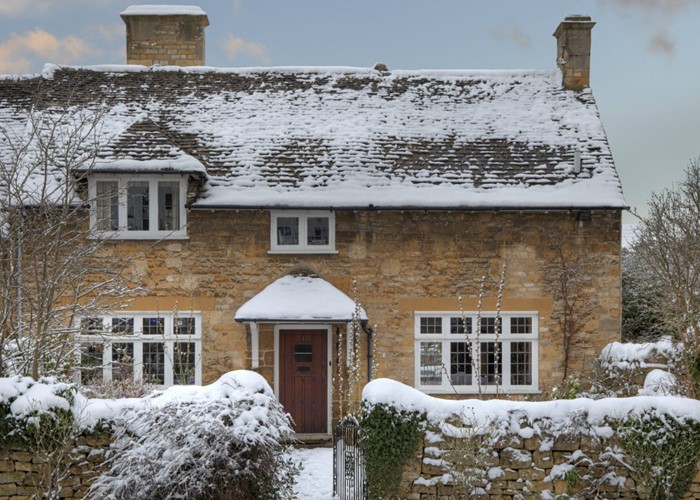
When it comes to fire safety in the home, you don't need to spend a fortune.
When it comes to our loved ones, we're usually willing to do - and spend - whatever it takes to keep them from harm.
The good news is that when it comes to fire safety in the home, you don't need to spend a fortune.
In an article I wrote a few months ago, I mentioned that you can get free smoke alarms installed by your local Fire and Rescue Service. And last week, I had an experience that showed me just how valuable a working smoke alarm can be.
Here, I'm going to look at how you can make your home as fire-safe as possible - without spending a penny.
A wake-up call
I live in a second floor flat - one of four in a converted Edwardian house. Last week, my partner and I were woken up in the middle of the night by the sound of the smoke alarm going off in the communal hall below us.
In the time it took us to reach our front door, our smoke alarm had started screaming too - although we still couldn't smell or see any smoke. When we opened the door, however, we were engulfed in a thick, acrid black cloud. We stumbled down the stairs in the pitch black and ran into the street, throats burning and coughing like mad. I was absolutely terrified.
It turned out that in the flat downstairs, an electric lamp had been touching a curtain. The curtain had caught fire, fallen onto the bed, and set the mattress alight. Thankfully, the fire brigade arrived incredibly quickly and put the fire out. The flat downstairs was a mess, but - thank goodness - no one was seriously hurt.
What would have happened if there hadn't been any smoke alarms?
- The fire would have spread significantly before it was even noticed...
- And the fire brigade wouldn't have been summoned so quickly.
- My partner and I would have remained asleep, completely unaware...
- And we, and the other residents, may not have got out alive.
I'd been irritable and annoyed when we originally fitted our alarm, teetering on a ladder trying to make sure the thing worked. But thank goodness we bothered.
Free protection
Of course, my experience is nothing compared to thousands of others. But it really drove home the importance of having a working alarm.
And there's absolutely no financial excuse not to get one. When you book a free Home Safety Visit with your local Fire and Rescue Service, firefighters will visit your home and make sure you have a working smoke alarm.
If you don't, they'll provide and fit a ten-year smoke alarm - for nothing.
They'll also identity potential fire risks in your home and talk to you about fire prevention. And they'll even help you put together an escape plan, in case a fire does break out. Pretty good, eh?
If you choose to buy alarms instead, you can get them for under £5 each from most DIY, electrical or hardware shops. Just make sure they comply with British Standards (BS) 5446 Part 1, and carry the British Standard kitemark.
Planning doesn't cost anything
Some people choose to place small fire extinguishers and fire blankets within their own homes. These can now be bought relatively cheaply too.
For example, this extinguisher from Robert Dyas costs £12.99, this one from Wilkinson is £8.99, and this British Standard fire blanket from Homebase is £19.99.
Just remember that different fire extinguishers are needed to tackle different sorts of fires. Experts advise this sort of equipment should only be used on very minor fires, and your first priority should always be to get to a safe place.
But there are plenty of other steps you can take to protect yourself and your family - which won't cost you a penny. For example:
- Test your alarm regularly - preferably every week;
- Make an emergency escape plan, and talk through it with everyone in your home;
- Put your address by the phone, so children can read it out to the emergency services if necessary;
- Make sure keys for windows and doors are always easily accessible.
- Keep escape routes clear of obstacles.
For more information, have a look at the Directgov fire safety website.
It all sounds very straightforward - but I'm ashamed to say I hadn't thought through half these things until my recent frightening experience. Have you?
Here at The Fool, we're always keen to offer money-saving advice. But a free service - and a few simple steps - that could save your life? You've got nothing to lose and everything to gain.
Home insurance could save you from financial ruin if the worst happens. Visit The Fool's Insurance Service to help find the right deal for you.
Comments
Be the first to comment
Do you want to comment on this article? You need to be signed in for this feature