Beat the food VAT hike!

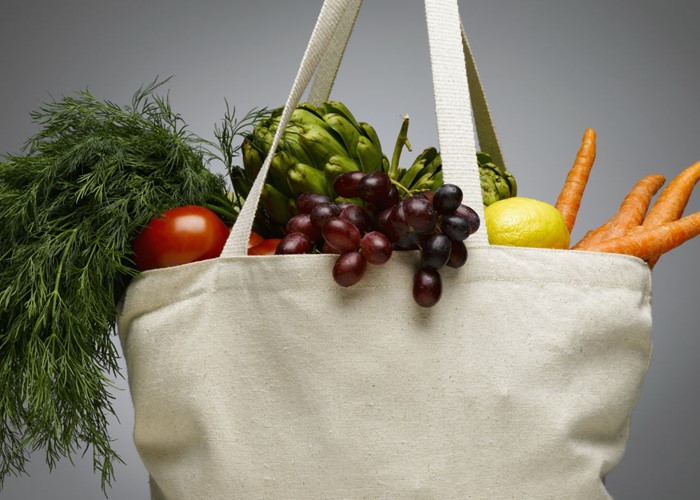
With VAT set to increase early next year, food bills will also rise. Here, we reveal how you can fight back and beat higher food costs.
If you ask me, food bills are expensive enough thank you very much. But as of 4 January next year, we’re all going to be hit even harder when VAT rises to 20% from the current 17.5%. According to shopping comparison site mySupermarket.co.uk, this will cost supermarket shoppers at least £33 more a year, despite the fact that many foods are exempt from VAT.
So if the thought of even higher food bills leaves you quaking in your boots, what can you do to fight back?
Get swapping
Although a lot of food is exempt from VAT, it may surprise you to hear that many grocery staples such as the majority of confectionary, drinks and snacks are not. As a result, what you throw in your shopping basket really does affect how much you pay.
To give you an idea of what some of those products are and how their prices compare, the chart below highlights two baskets of goods – one showing a selection of goods liable to VAT and the other showing similar goods which will not attract VAT.
Prices sourced come from mySupermarket and I have used Tesco as my chosen supermarket to keep things simple. Of course, this means prices may vary between supermarkets. Prices are shown per item as well as per 100g and I have highlighted the cheapest per 100g items in bold.
|
VAT items |
Price |
Non-VAT items |
Price |
|
Chocolate-coated biscuits (Chocolate Digestives) |
55p (13.8p/100g) |
Chocolate chip cookies |
49p (19.6p/100g) |
|
Potato crisps |
£1.39 (92.7p/100g) |
Tortilla chips |
90p (45p/100g) |
|
Sweetened dried fruit for confectionary/snacking such as raisins |
£1.22 (48.4p/100g) |
Sweetened dried fruit for snacking and home baking such as raisins |
£1.23 (24.6p/100g) |
|
Cereal bars with honey |
£1.95 (72.2p/100g) |
Flapjack |
79p (£1.22/100g) |
|
Chocolate covered shortbread |
£1.59 (53p/100g) |
Caramel shortcake (millionaire’s shortcake) |
£1.18 (40.1p/100g) |
|
Shelled roasted or salted nuts |
£1.99 (33.2p/100g) |
Roasted or salted nuts in their shells |
£1.05 (35p/100g) |
|
Sorbet |
£2 (40p/100g) |
Mousse |
75p (20p/100g) |
|
Popcorn (ready-made) |
£1.15 (95.8p/100g) |
Microwave popcorn |
£1.99 (66.3p/100g) |
|
Total |
£11.84 |
|
£8.38 |
By looking at this chart, you can see that in this case, simply swapping food items liable to VAT for similar items that aren't liable could save you £3.46. Granted, this isn’t a huge amount. But don’t forget that these figures are BEFORE the VAT hikes – so the figures in the second column are likely to rise in the New Year. And add this up over time on a bigger basket of goods and the savings can really stack up.
Although in most cases, VAT-exempt items do work out to be cheaper than those impacted by VAT, it’s worth noting here that that isn’t always the case per 100g. For example, chocolate digestives are in fact cheaper than chocolate chip cookies per 100g. But of course, this may all change come January, so it’s worth comparing prices again when the VAT hikes come into effect.
Other popular food items that are exempt from VAT include:
- Drinking chocolate
- Milk shakes
- Coffee
- Jaffa cakes
- Bourbon biscuits or similar
- Cakes such as éclairs, meringues, marshmallow teacakes
On the other hand, Arctic Roll, gingerbread men decorated with chocolate, chocolate bars, ice cream, fruit cordial and squashes all attract VAT. So make sure you make you select your food wisely!
Cut your food bill
If you want to lower the cost of your food bill even further, I've come up with five more tips to help you!
Comparison sites
As I have already mentioned, shopping comparison websites like mySupermarket are nifty if you’re prepared to do your shopping online. mySupermarket compares food prices at four of the major supermarkets – Tesco, Sainsbury’s, ASDA and Ocado (Waitrose).
As a result, you’ll be able to see which basket of goods comes out cheapest and you can then select that particular basket. So if ASDA works out cheapest for you, you can simply select that you want to checkout at ASDA.
It will also tell you when you can 'swap and save' by substituting one bag of grapes for another bag of grapes (perhaps because it's on special offer, for example).
And don’t forget to keep an eye out for supermarket voucher codes on websites such as HotUKDeals, vouchercodes.co.uk and myvouchercodes.co.uk – mySupermarket should also highlight any relevant voucher codes at the checkout. You can then enter the code online and this will help to drive the cost of your shopping down even further and possibly even offset the delivery fee!
We compare some of the big food brands with supermarket own brands to see which tastes best!
Drop a brand
Simply dropping a brand on your favourite foods can really help to reduce your food bill. Instead of buying big brands such as Kellogg’s and Heinz, switch to supermarket own brand versions and save yourself some pennies. Supermarket own brand products can taste just as good but can be far cheaper!
Go out of date
Eating food past its best before date might not appeal, but it’s perfectly safe and generally doesn’t taste any different! (Note that this is only valid for best before dates, not use by dates). And the advantage of doing this is that it generally works out to be cheaper.
Websites such as Approved Food and Food Bargains sell short-dated and out-of-date food and drink at lower prices than you’d find in the supermarket. Of course, you will need to pay a delivery charge for this, but as many of the products are dry foods, it’s easy to buy in bulk.
At Approved Foods, a National courier will take 28kg to anywhere in the country for £5.25. And delivery fees at Food Bargains start at £4.99 for deliveries under 29kg. If this seems a lot, bear in mind it's no more than you'd pay for a peak time delivery from one of the major supermarkets.
Related blog post

- Rachel Robson writes:
An easy way to slash your food bill!
Out of date food might cost less, but will it taste as good? We put it to the test!
Read this post
Buy in bulk
Bulk buying can offer genuine savings, especially if you share out the produce among friends and neighbours, or if you have a big family. Sacks of rice are extremely cheap from Asian grocers, for example, so make sure you stock up!
Eat the seasons
Eating fruit and vegetables that are in season can also help to save money on your food bills. That’s because you’ll avoid paying a premium for food that is in shorter supply or needs to be imported. Take a look at the website eat the seasons to find out what’s in season when!
Next time you’re hitting the supermarket with your trolley, make sure you follow these top money-saving tips!
More: The world’s most expensive restaurants | The cheapest ways to watch sport on TV
Comments
Be the first to comment
Do you want to comment on this article? You need to be signed in for this feature