Buying is cheaper than renting

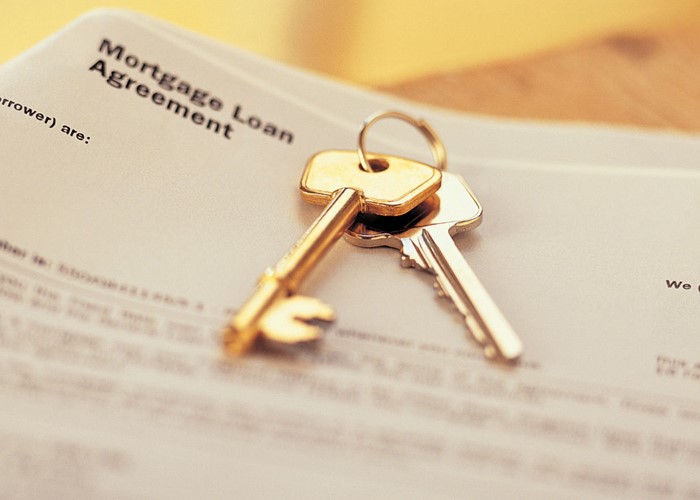
New research has tallied up the cost of buying versus renting a home, with homeowners coming out on top.
If you rent your home instead of buying it, you could be £194,000 worse off over your lifetime, according to research by Barclays.
Undoubtedly the bank has a vested interest in telling you this because it sells mortgages, but the figures speak for themselves. Buying a property amounts to £429,000 over 50 years, based on the average property price of £160,780. By comparison, renting will cost you £623,000.
The sums include the cost of getting onto the property ladder in the first place - showing that saving for a deposit is still worthwhile. Monthly mortgage payments and the maintenance of the property are also factored into the calculation, which the bank said was based on ‘conservative’ assumptions. So in reality, the savings could be even bigger.
Pay more now to pay less in future
To buy a home you need enough money for a deposit, stamp duty and solicitor’s fees - which not everyone can afford. Often, the monthly mortgage is also more expensive than paying rent. However, rents inflate over time, while homeowners should see their mortgage outgoings fall.
The other obvious advantage is that when the mortgage is finally paid off, the homeowner owns the home outright. However, a tenant must continue to pay the landlord and is at the mercy of evolving market trends. So if rents rise, there’s little you can do about it. This bumps up the advantage of owning over renting to £595,000.
Rising rents has been a particular problem in London, where average costs have increased by 4.5% in the past year to £1,032, according to LSL property Services. Often the rent owed is above and beyond what homeowners are paying for their mortgages.
Broken down, around 50% of the cost of buying a home is mortgage payments at £210,000, including interest charged on the home loan. Maintenance is the second biggest expense, at £170,000.
Regional variations
The gap between buying and renting is wider or narrower depending on where you live.
The biggest homeowner savings are seen in London, with a lifetime saving of £396,049. Mostly because house prices in the capital are so high.
The smallest saving, at £33,863, was in the south west where rents are usually cheap compared to house prices.
|
|
House prices |
Year 1 Rent |
Lifetime cash saving from owning over renting |
|
England & Wales |
£160,780 |
£8,361 |
£194,341 |
|
London |
£343,522 |
£17,520 |
£396,049 |
|
North West |
£111,264 |
£7,788 |
£300,456 |
|
Yorkshire & The Humber |
£118,204 |
£7,801 |
£280,125 |
|
West Midlands |
£130,212 |
£7,552 |
£220,671 |
|
Scotland |
£148,764 |
£8,182 |
£216,463 |
|
East Midlands |
£123,879 |
£7,185 |
£210,461 |
|
South East |
£206,918 |
£10,139 |
£201,835 |
|
East |
£173,227 |
£8,142 |
£137,270 |
|
North East |
£101,676 |
£5,084 |
£101,301 |
|
Wales |
£113,036 |
£4,974 |
£56,903 |
|
South West |
£170,261 |
£6,810 |
£33,863 |
Source: Barclays 18th June 2012
The sell
Barclays has linked the research with the launch of its Family Affordability Plan, which lets you pool your finances with family members to secure a joint mortgage deal. Two or more people can be on the mortgage, but not all of them are necessarily co-owners of the property.
So you need generous parents or relatives who are willing to be equally liable over the debt while sacrificing a stake in the bricks and mortar. In the future, your parents’ liability can be eliminated if you remortgage, so long as you can afford the repayments.
Other first time buyer deals
Lloyds TSB’s Lend-a-Hand mortgages work by using the savings of a relative as insurance for lending you money. You only need to pay a 5% deposit, while 20% of the property value is deposited by your helper into a savings account. Their money will still earn interest and you have access to lower mortgage rates, similar to what would be on offer to customers with a 25% deposit.
If you’re not keen on the idea of guarantor mortgages, where your parents need to play a role in securing your home loan (or if your parents aren’t keen on the idea), there are alternatives.
For example, Nationwide’s Save to Buy account. You need to save for a minimum six months and pay in at least £50 a month, after which you can apply for a range of mortgages with just a 5% deposit.
Once you have completed you can also earn cashback; up to £1,000 for savings worth £10,000. Other similar offers are outlined in Save to buy: the savings accounts that help you build a deposit.
Alternatively you could consider the NewBuy scheme, designed specifically for buyers with small deposits. Read more in Government NewBuy scheme and mortgages launched.
More: Clydesdale and Yorkshire Banks launch fee-free mortgages for small deposits | Mortgage rates are going up...and down
Comments
Be the first to comment
Do you want to comment on this article? You need to be signed in for this feature