Online Christmas shopping: how to avoid fraud

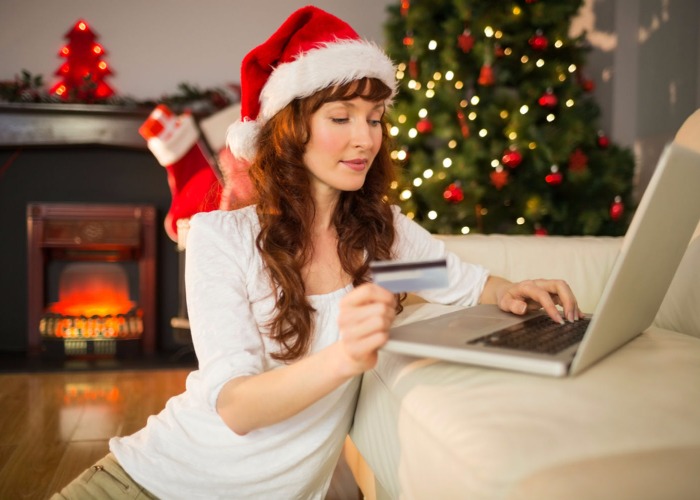
Avoid these mistakes when shopping online this Christmas.
Shopping online for Christmas gifts can be really handy.
There are no crowds, queues or carrying heavy bags on the bus home. A few clicks and it's all done and within days your gifts will turn up on your doorstep... Or will they?
Remember the stress the bad weather for online shoppers caused days before Christmas last year?
Deliveries were delayed, and some even failed to arrive in time. As a result, we're shopping online earlier this year.
But knowing the retailers you're buying from are legitimate and staying safe online are vital.
Otherwise you could end up with no presents to give anyone or, worse, finding that fraudsters are using your credit card to fund their own festivities.
Here's how to stay safe online this Christmas.
Can you trust the site?
One way to find the best online bargains it to use an online comparison tool like pricegrabber.co.uk or kelkoo.co.uk. However you might find these sites direct you to a retailer you've never heard of for the best price for your product. So how do you know the site you're buying from is legit?
First use a directory such as safebuy.org.uk or shopsafe.co.uk. These directories check out sites before listing them and test them for things like prices, site security and delivery.
If it's not listed it doesn't mean the site's going to be dodgy - you're just going to have to carry out your own investigations. Check whether the site displays a UK phone number and contact address and if you call the number whether you actually get through to a real person.
Be vigilant with your email
Watch out for emails with deals that sound like they're too good to be true. It could be a scam, the goods could be fake or it might not match the description.
Similarly, if get an email with links to a special offer, that promises great news or says anything about confirming your details or resetting your account, don't click on anything. Send it on to the company who it's claiming to be from and report it to Action Fraud.
Security
For safe shopping retail websites should display the padlock symbol in the browser and the website address should begin with 'https' rather than just 'http'.

Make sure you register your cards with Verified by Visa or MasterCard SecureCode when prompted if you haven't done so already. It is quick and easy and offers another level of protection. Cardholders can sign up to Verified by Visa and MasterCard SecureCode at the website of the bank or card company that issues their card, or when they are shopping online at participating merchants. It means that when you use these cards to shop online you'll have to enter a password for your payment to be accepted.
As well as keeping your cards safe, it's important to keep your PC and devices safe too. Make sure you have the latest operating system, browser and up-to-date anti-virus software. If someone else uses your PC or you use one in a café or library, always log out as soon as you've finished shopping online. Make a note of the confirmation number of your order or print a copy of the confirmation.
If you're splashing out on presents that cost more than £100, pay by credit card. This means you'll have extra protection under section 75 of the Consumer Credit Act in the event of things going wrong or the retailer going bust.
And whatever you do, don't pay by bank transfer. There's a chance your money will go straight into a scammer's account.
Make sure you have a strong password
This is basic, but absolutely essential. Avoid words that you might use on social media like you place of birth, your child's name or your favourite sports team. The best way to make a strong password is to use three completely random words, with optional numbers and symbols. Find out more by reading How to make a strong password.
Keep an eye on your online bank statements and credit report
Take a look at your card statements as soon as you've made your purchases if you can. Call your bank immediately if something is amiss. It's best to keep on top of your credit report too to moonitor signs of unusual activity.
Buying something using a WiFi connection?
Purchasing things through an unsecured WiFi hotspot is a big no-no. If there really is no way around it, buy whatever you're buying using your 3G or 4G data connection.
Delivery and returns
There are two things you need to take into account in terms of delivery of your Christmas shopping.
Firstly, when is it going to be delivered? Check whether an item's in stock before you commit to buying it. You won't be popular if you turn up on Christmas day with just vague promises of a present that failed to arrive in time.
Secondly, check if there's an extra charge for delivery and take this into account when comparing the cost of items. Some sites offer free delivery while others charge a fee.

Also take the time to understand the refund policies for any online retailer you are planning to buy from, especially if they are not based in the UK. Make sure you are comfortable with the refund and return postage policies or compensation that you would get if something were to go wrong.
By law online retailers have to give you seven days to return your gifts but others offer longer returns periods.
Getting the best deal
The internet makes it easy to compare prices without traipsing from shop to shop with a notebook and pen. Shopping comparison sites such as Idealo are good for comparing deals. Next check whether you can get money off your purchases by using cashback sites like Topcashback or Quidco.
You can also make some money by using a cashback card to do your Christmas shopping. Check out the best cards to use here.
Of course, you should try not to run up debts over the Christmas period, epsecially if you're using a cashback card. You don't want the cash you earn on your spending to be completely wiped out by interest charges. Or you can read How to deal with Christmas debts to see if you can avoid racking up festive debt altogether.
And finally, if you have a concern about shopping on the internet, why not wander over to Q and A and ask other loveMONEY readers for help. And please feel free to warn others if you have dodgy online retail experience.
This is a classic article which has been updated
Protect yourself from scams:
Scammers target PayPal - how to stay safe
Beware this court summons scam email
Comments
Be the first to comment
Do you want to comment on this article? You need to be signed in for this feature