The secrets of your credit rating

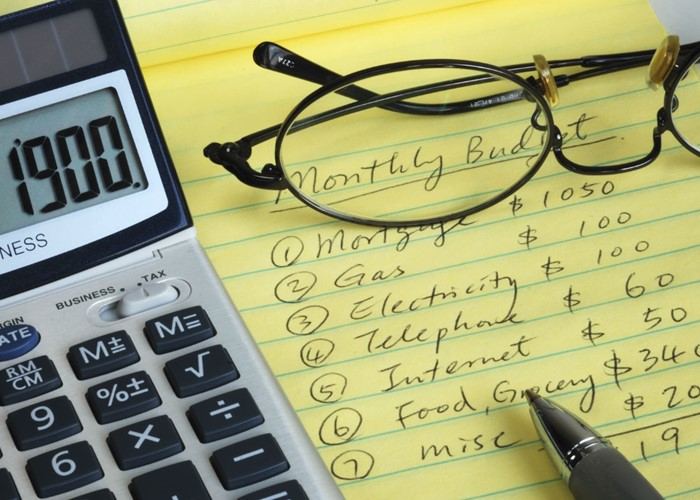
Don't let your credit report turn into a horror story - follow our tips and keep it looking squeaky clean!
If you're a regular lovemoney.com user, you're doubtless a pretty savvy consumer who wants to track down the cheapest deals on your financial essentials - but what you might not know is that if you want the cheapest credit cards or loans the odds are stacked against you.
The reason is because shopping around for cards and loans could well see your credit rating downgraded - leaving you offered expensively-priced credit.
And if you try and take action and apply elsewhere for a cheaper deal, you may do further damage to your credit rating and kiss your chances of an affordable deal goodbye.
It's an unhappy situation and one Parliament is investigating. This week the Commons Treasury Select Committee is investigating the impact on credit ratings of consumers shopping around to obtain credit on the best terms.
Its probe will focus on two aspects of the UK credit market: the extent to which multiple applications hurt your credit rating: and the extent to which lenders should offer "best practice quotation searches" (i.e. indicative quotes on what consumers will be charged before they apply).
The process promises to shine a light on the often murky world of credit scoring. Here's what you need to know to help boost your chances of getting the cheapest deals.
Beware 'typical rates'
In most cases, an enquiry for a loan or credit card results in a full credit search.
This is because these products use 'risk-based pricing' - meaning that the rate you see advertised isn't necessarily the one you'll be offered. Instead, the rate actually charged is based on your credit status - which means that you won't know how much you'll pay until you undertake a full application.
To help guide consumers, the Consumer Credit Act states that financial products must come advertised with so-called 'typical rates' - more than 80% of loans advertise typical rates, and one-third of credit cards.
These are supposedly indicative, showing the rate of interest most consumers will pay.
The guidelines state that two-thirds of all applicants should be offered the typical rate - but in practice studies have shown that the vast majority of applicants are offered far higher rates.
The current system doesn't work!
Government watchdog the Office of Fair Trading hasn't so far forced banks to act according to the guidelines.
Worse still, under the current system, you'll only know how much you'll pay after making a full application - and that application will be marked on your credit report.
Apply for four or five alternative deals at the same time and you could soon be marked down as a 'poor credit risk' and unable to secure cheap credit - or any credit at all.
To remedy this situation, consumer groups are calling for banks not to undertake full searches when assessing how credit-worthy applications are. Instead they want typical rates to be more strictly enforced and for banks to offer more 'quotation' rates before consumers apply.
Yet credit reference agencies have argued in favour of the existing risk-based model: MyCallCredit told the Commons committee that searches based on quotation rates offer no guarantee to the consumer that they will be accepted nor provide any credible risk assessment to lenders.
What's more, they argue that extending quotation searches would make it more expensive for banks to lend - pushing up the price of credit for everyone. Worse still for consumers, the Information Commissioners Office has, as part of the committe's probe, upheld the principle that multiple credit searches can adversely affect an individual's credit score as "justifable".
Boost your chances of cheaper credit!
You may currently never know what rate you'll be offered for a credit card or loan until you apply but there are steps you can take to make sure you secure the cheapest deal.
Your first step is to obtain a copy of your credit report, which is suprisingly easy. The three main agencies - Experian, Equifax and CallCredit - all offer free trial services that allow you to see what's on your report.
If you've been turned down for credit, find out why.
The industry's Guide to Credit Scoring requires that lenders give reasons why a consumer has been turned down and whether information from a credit bureau contributed to that decision. And if there's something on your report you think is wrong, contest it.
Under the Data Protection Act, consumers have the right to dispute the data held on their file. Lenders have 28 days to confirm or remove data that is the subject of a dispute.
An accurate, healthy credit report will help secure your chance of getting a cheap deal - and so will the timing of your applications. In a written submission to the committee, Experian states that "we... generally expect more than five credit application within a three-month period to have a negative effect". On its own, this wouldn't see you turned down for credit, but it won't help either. So to be safe, compare no more than five deals in a three-month period.
Finally, it's important to prepare your finances in advance. Pay down debts where you can and stay in the black: for credit cards and store cards, some banks may provide extra information about how you manage your current account.
Know the law on old debts too: if you've missed repayments in the past, it stays on your credit report for 36 months. With a County Court Judgement (CCJ), the evidence is there for six years.
Lenders see these and mark you down, because they fear you may not honour your obligations - so don't give them an excuse.
More: The best way to get out of debt | You've got a debt problem
Comments
Be the first to comment
Do you want to comment on this article? You need to be signed in for this feature