Why your 3% balance transfer fee costs 11%!

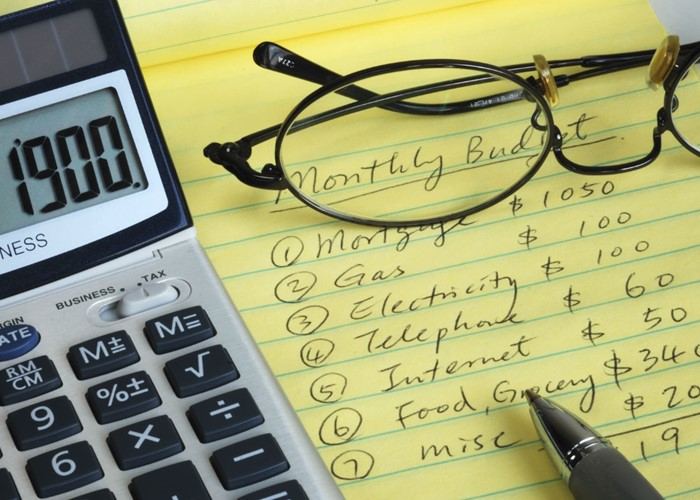
We show you that the true cost of balance transfer cards is somewhat more than the 2% or 3% fee suggests.
Balance transfer cards, when used properly, are an extremely cheap way to borrow. However, they are often more costly than you think.
Today, I'm not talking about any of these dozen small-print booby traps. I'm talking about the fee itself.
With an ordinary credit card there is no fee, but you're charged interest. The interest is spread over a year so, if you are regularly reducing your balance, the interest charged each month steadily comes down.
However, balance transfer fees are charged up front and on the whole balance. That's why a transfer fee of, say, 3% is sometimes as expensive as an ordinary card with an interest rate of, say 11% APR.
Here's an example
Let's say you have £1,000 on your credit card and it charges 10.7% APR. You pay off your balance in six equal instalments. In the first month you pay about £8.50 in interest, in the second around £7, and so on, with the interest decreasing each month. After six months you have a balance of zero and have paid £30 interest.
However, if you have a 0% balance-transfer deal that lasts six months with a 3% fee and you pay it off on time, you will also have paid £30, albeit this time as an upfront fee.
Both cost you £30, even though one apparently charges 3% and the other 10.7%. The difference occurs because the former is paid upfront on the whole balance, whereas the latter is split over several months and charged on an ever-decreasing balance.
M&S Money produced a useful table, which expresses balance transfer fees as annual equivalent interest rates, that will make it easier for you to get your head around and to compare costs:
(based on a transfer of £1,000 which is fully repaid in equal instalments by the end of the 0% deal)
|
Interest-free period |
Fee of 2% |
Fee of 2.5% |
Fee of 3% |
Fee of 4% |
|
Six months |
7.0% AER |
8.9% AER |
10.7% AER |
14.5% AER |
|
Nine months |
4.9% AER |
6.1% AER |
7.4% AER |
9.9% AER |
|
One year |
3.7% AER |
4.7% AER |
5.6% AER |
7.6% AER |
For the purposes of this article, you can take AER to mean the same as APR.
The table shows that the greater the fee the higher the equivalent interest rate. A 4% fee is the same as paying 7.6% in interest over a year, whilst a 2% fee costs the equivalent of just 3.7% in interest.
Shorter deals also equate to bigger interest rates.
A 3% fee paid over 12 months equates to just 5.6%, but a 3% fee over six months equates to 10.7% in interest. This is because with the former you are borrowing longer and spacing your payments out more at no extra cost, so this benefit is reflected in the equivalent interest rate.
At the moment, you can get deals lasting 16 months, which reduces the equivalent interest rate to 4.3%. This is a very low cost of borrowing, but still more than the fee of 3% suggests.
How to improve your interest rate
We can conclude from the above that you can reduce your interest rate by getting lower fees and longer deals. However, you can improve your interest rate further without even switching cards.
If you have a balance transfer card already, instead of paying off the entire balance in one go, you can pay just the minimum amounts until the last month, when you then pay off the entire balance.
Let's say you have £1,000 on a balance-transfer deal lasting six months with a 3% fee. As I said earlier, if you pay it in equal instalments it equates to 10.7% interest. However, you could pay just the minimum monthly repayment (say 2%) until the last month, where you pay off the bulk of the bill in full. By doing so, your interest rate drops to just 6.4%.
Doing this reduces the interest rate, but it doesn't reduce the total cost as you will always pay the same fee regardless of which month you clear the balance. However, it does have the benefit of deferring your payments.
How to reduce the amount you pay
You can take that technique another step to reduce the interest rate further and this time you can even reduce the amount you pay.
To do this you follow the procedure I just mentioned: pay the minimum payments until the last month where you clear the balance in full. However, each month you save money in a good savings account. This money you will use to pay off the debt at the end. In the meantime, you will earn interest, which effectively means you're earning interest on the money you're borrowing!
If you get a savings account paying 3% AER you'll earn almost £6 in interest on your £1,000 over the six months. In total, this effectively reduces your equivalent debt interest rate from 6.4% to 5.2% and the total cost from £30 to a little over £24. It might not sound like much but, if you have bigger debts, it does add up.
More: Make £200 switching your current account | Save £100 in ten minutes
Comments
Be the first to comment
Do you want to comment on this article? You need to be signed in for this feature