The alternative to chip and pin cards

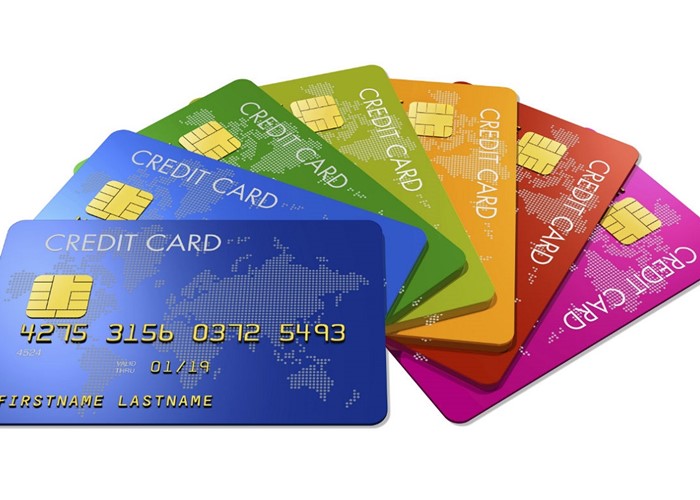
Chip and pin cards are a popular method of paying for things but it's just as secure to sign for your purchases.
Tapping my pin number into a card machine to pay for something has almost become second nature to me and I find it’s much easier than paying with cash, but for people who have problems remembering their pin number, there is another card you could be using.
Chip and signature or ‘pin-suppressed’ cards, are an alternative for people who are unable to remember a pin number and although all the banks offer them, they are a relatively unknown payment method.
While they’re nothing new, a mystery shopping study by the Payments Council found that 26% of people were embarrassed or anxious when using a chip and signature card, because of hold ups by retailers not knowing how to process the card, and 63% of people had never heard about them.
This is why the Payments Council’s Pay Your Way website has launched a new campaign to make shoppers and retailers more aware of how they work.
How does it work?
These cards work in exactly the same way as chip and pin cards, except you sign your name rather than entering in a four-digit pin code. When the card is inserted into a card machine, the customer will be asked for their signature to authorise the payment. They are accepted everywhere apart from self-service payment stations and to apply you just need to ask your bank. You can also withdraw cash in a bank branch, and get cashback (up to £50) in participating shops.
Who can get one?
These cards are available to anyone who has problems entering a pin number. This can be for a variety of reasons such as; dexterity issues, visual impairment, memory problems and mobility issues which make it hard to use a pin terminal.
All banks offer these types of cards and retailers are obliged to accept them. This is covered in the 2010 Equality Act which details the legal responsibility of businesses to cater for disabled customers – including accepting chip and signature cards.
Is it secure?
While chip and pin cards remain the safest way of making a card payment, customers with a chip and signature card get exactly the same level of fraud protection. This means if you're the innocent victim of card fraud, whether you signed for the purchase or entered a pin number, you are protected and full details can be found in our article on protecting yourself from fraud.
How else can I pay for something?
If you’re unable to use chip and signature cards there are other options. You can set a third party mandate which means you grant authority to another person, such as a friend or family member, to verify payments and some banks also offer a rubber stamp signature to use when paying with a card.
Contactless technology
You can also now pay for goods up to £20 with your credit or debit card via contactless technology. This means you won’t need to enter a pin number or give your signature. Contactless is becoming an increasingly popular way to buy small items and a number of banks, including Barclays, HSBC and Royal Bank of Scotland are using this technology.
It works by the customer holding their card on a contactless chip and pin machine, and the money automatically leaving their bank account or going onto their credit card bill. You can even use your mobile phone to make some payments by fixing a small tag onto your device.
More on credit and debit cards:
The best prepaid cards for spending abroad